Alocasia sanderiana
W. Bull.
Kris plant
iNaturalist· cc-by-sa
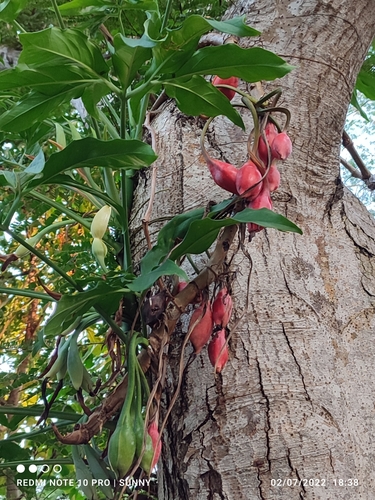
(c) filibot.web, some rights reserved (CC BY-SA)
iNaturalist· cc-by-sa
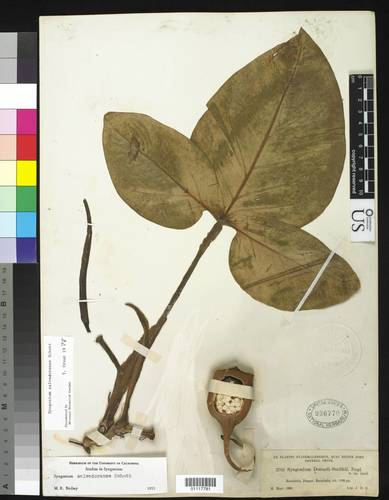
(c) Hoya bicknellii, some rights reserved (CC BY-SA)
iNaturalist· cc-by-nc-sa
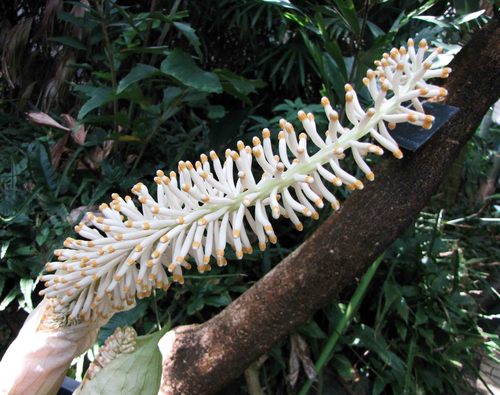
(c) Alzheimer1, some rights reserved (CC BY-NC-SA)
Summary
Source: WikipediaAlocasia sanderiana, commonly known as the kris plant or Sander's alocasia, is a plant in the family Araceae. It is endemic to Northern Mindanao in the Philippines, but is commonly grown as an ornamental plant worldwide. It is classified as critically endangered in the wild by the International Union for Conservation of Nature.
Description
A taro family plant. It is a herb that keeps growing from year to year. It can be 2 m tall. The leaves have wavy edges. The leaves are upright and deeply lobed. The veins are silvery white.
Traditional Uses
Caution: Plants in this group contain oxalates.
This uses section is brief — help expand it
Known Hazards
Plants in this group contain oxalates.
Distribution
It is a tropical plant.
Where It Grows
Asia, Dominican Republic, India, Marquesas, Marshall Islands, Micronesia, Myanmar, Nauru, Pacific, Philippines, SE Asia, Slovenia, Sri Lanka, Tuvalu, West Indies,
Synonyms
Also Known As
In-gamon
References (4)
- INFOODSUpdatedFGU-list.xls
- Thaman, R. R., et al, 1994, The Flora of Nauru. Atoll Research Bulletin No. 392. Smithsonian Institute p 40
- Thaman, R. R, 2016, The flora of Tuvalu. Atoll Research Bulletin No. 611. Smithsonian Institute p 38
- Vander Velde, N, 2003, The Vascular Plants of Majuro Atoll, Republic of the Marshall Islands. Atoll research Bulletin. No. 503. Smithsonian Institute. p 16