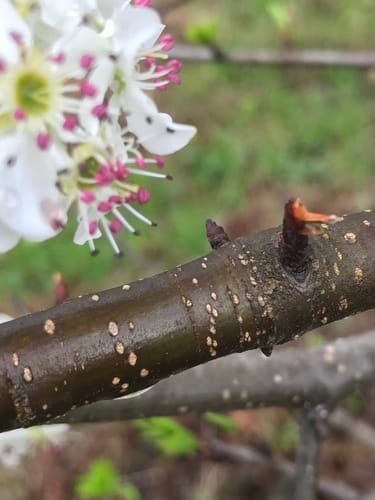
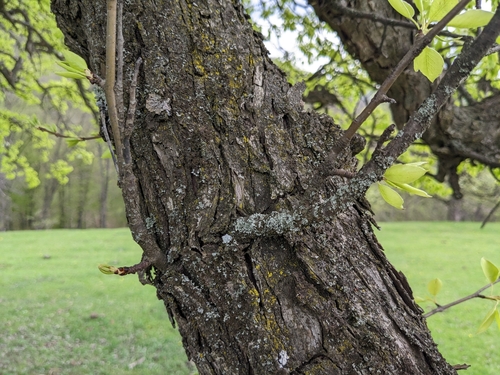
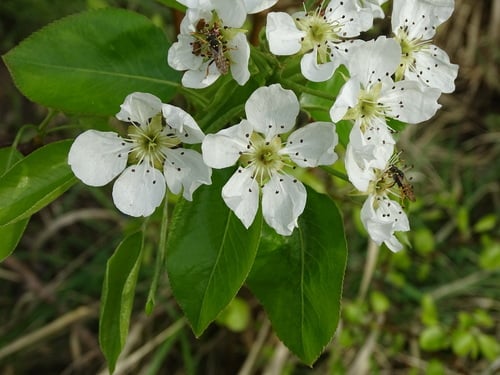
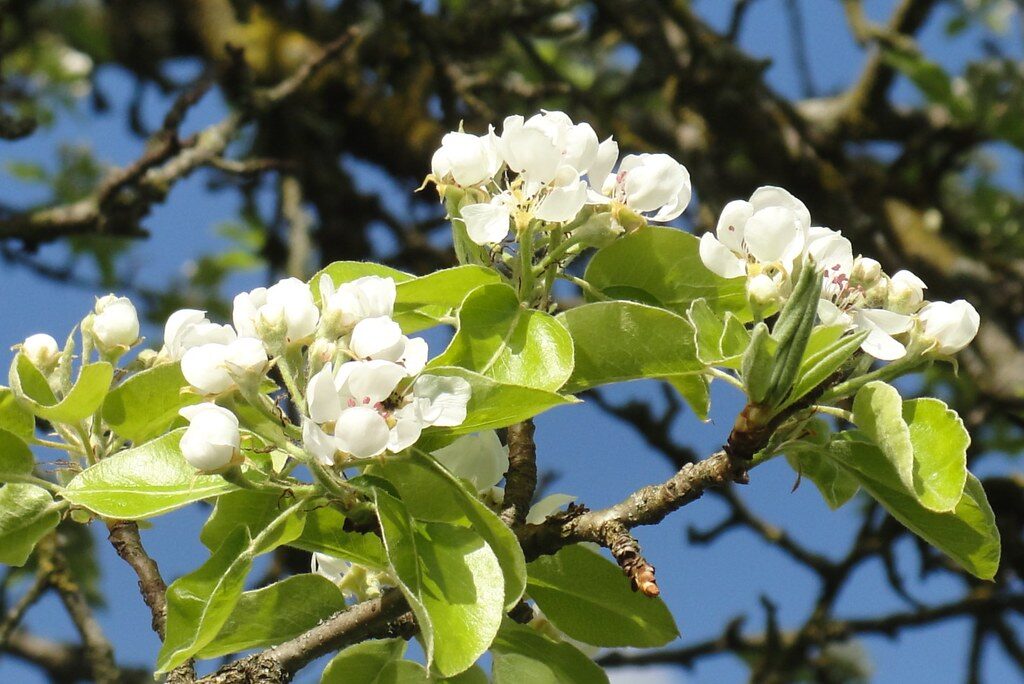
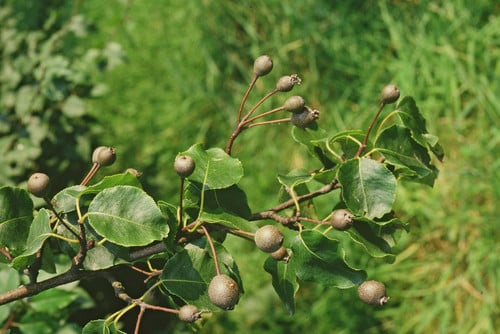
Prunus serotina var. rufula
Ehrh., (Woot. & Standl.) McVaugh
Southwestern black cherry
gbif· cc-by-nc
Aidan Campos
gbif· cc-by-nc
Aidan Campos
gbif· cc-by-nc
Aidan Campos
Summary
Source: WikipediaPrunus serotina, commonly called black cherry, wild black cherry, rum cherry, or mountain black cherry, is a deciduous tree or shrub in the rose family Rosaceae. Despite its common names, it is not very closely related to commonly cultivated cherries. It is found in the Americas.
Description
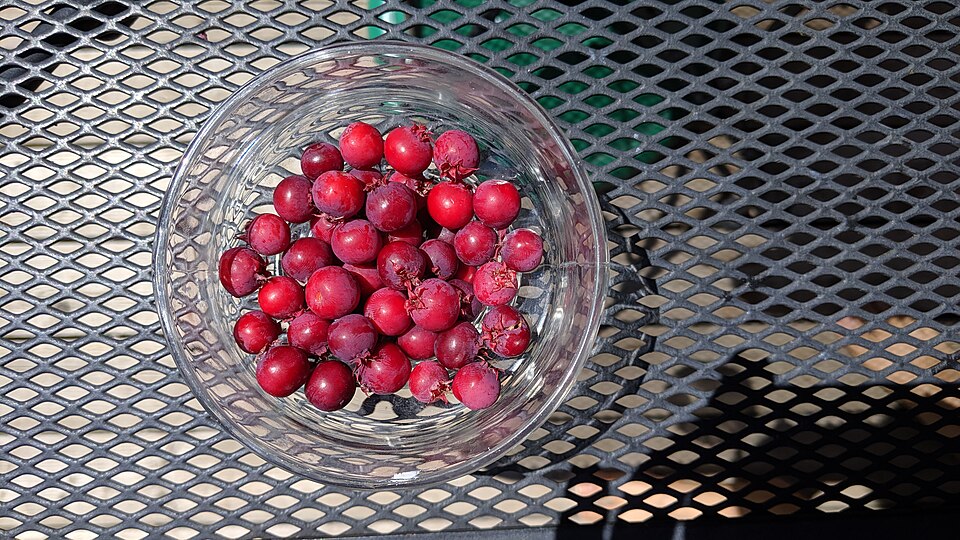
A tree. It can grow up to 10 m tall. It loses its leaves during the year. The leaves are alternate and simple. The fruit are red to purple-black.
This description is brief — help expand it
Edible Uses
Prunus serotina subsp. capuli was cultivated in Central and South America well before European contact. Known as capolcuahuitl in Nahuatl (the source of the capuli epithet), it was an important food in pre-Columbian Mexico. Native Americans ate the fruit. Edible raw, the fruit is also made into jelly, and the juice can be used as a drink mixer, hence the common name 'rum cherry'. Prunus serotina timber is valuable, perhaps the premier cabinetry timber of the U.S., traded as "cherry". High quality cherry timber is known for its strong orange hues, tight grain and high price. Low-quality wood, as well as the sap wood, can be more tan. Its density when dried is around 560 kg/m3 (35 lb/cu ft). Prunus serotina was widely introduced into Western and Central Europe as an ornamental tree in the mid-20th century, where it has become locally naturalized. It has acted as an invasive species there, negatively affecting forest community biodiversity and regeneration.
Traditional Uses
The fruit are eaten once the pips have been removed. They are also used in desserts and drinks. Caution: The seeds, stems and leaves are poisonous.
Distribution
It is a temperate plant. It often grows near the edges of streams.
Where It Grows
North America, USA,
Cultivation
It can be grown from seeds after they have had cold treatment. It can also be grown from cuttings.
References (1)
- USDA plants