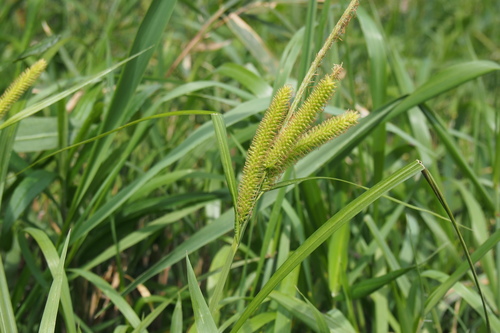
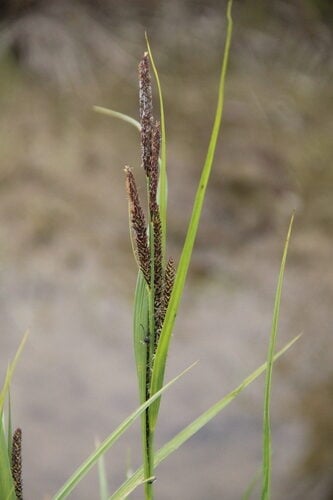
Cyperus eragrostis
Lam.
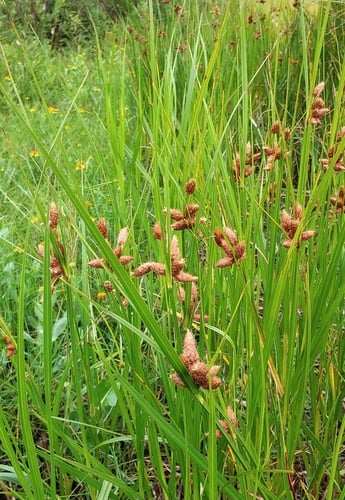
iNaturalist· cc-by
(c) Kevin Thiele, some rights reserved (CC BY)
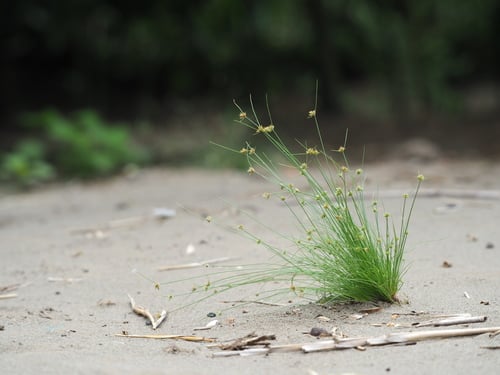
iNaturalist· cc0
no rights reserved, uploaded by common_snowball
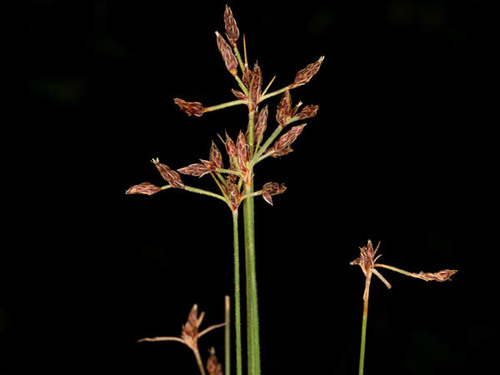
iNaturalist· cc-by
(c) Harry Rose, some rights reserved (CC BY)
Summary
Source: WikipediaCyperus eragrostis is a species of sedge known by several common names, including tall flatsedge, nutgrass, tall nutgrass, umbrella sedge, chufa, Earth almond, zula nuts, edible galingale and pale galingale. In New Zealand, it is also known by the Māori name Puketangata. This species is associated with disturbed wet environments.
Description
A sedge. It keeps growing from year to year. It has rhizomes. The stems are 40-60 cm tall. They can be 3 angled. The leaves are 25-50 cm long by 5-8 mm wide.
Edible Uses
The tubers are edible and can be used as a coffee substitute or prepared as a root.
Distribution
It is a temperate and tropical plant. In Taiwan it grows in damp grasslands and near the seashore below 200 m above sea level.
Where It Grows
Africa, Asia, Australia, Chile, Easter Island, Guianas, Guyana, North America, Pacific, South Africa, South America, Suriname, Taiwan, Tasmania, USA,
Synonyms
References (3)
- Leon-Lobos, P., et al, 2022, Patterns of Traditional and Modern Uses of Wild Edible Native Plants of Chile: Challenges and Future Perspectives. Plants (Basel) v 11 (6) Table S1
- USDA plants
- Zizka, G., 1991, Flowering Plants of Easter Island. Palmarum Hortus Francofurtensis