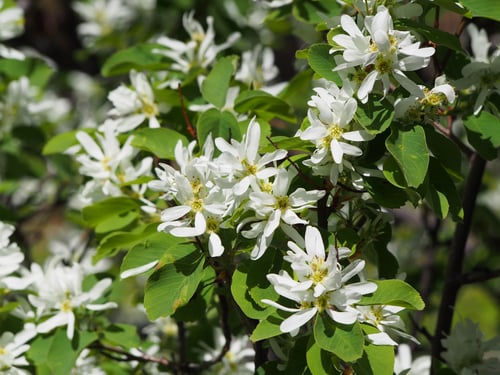
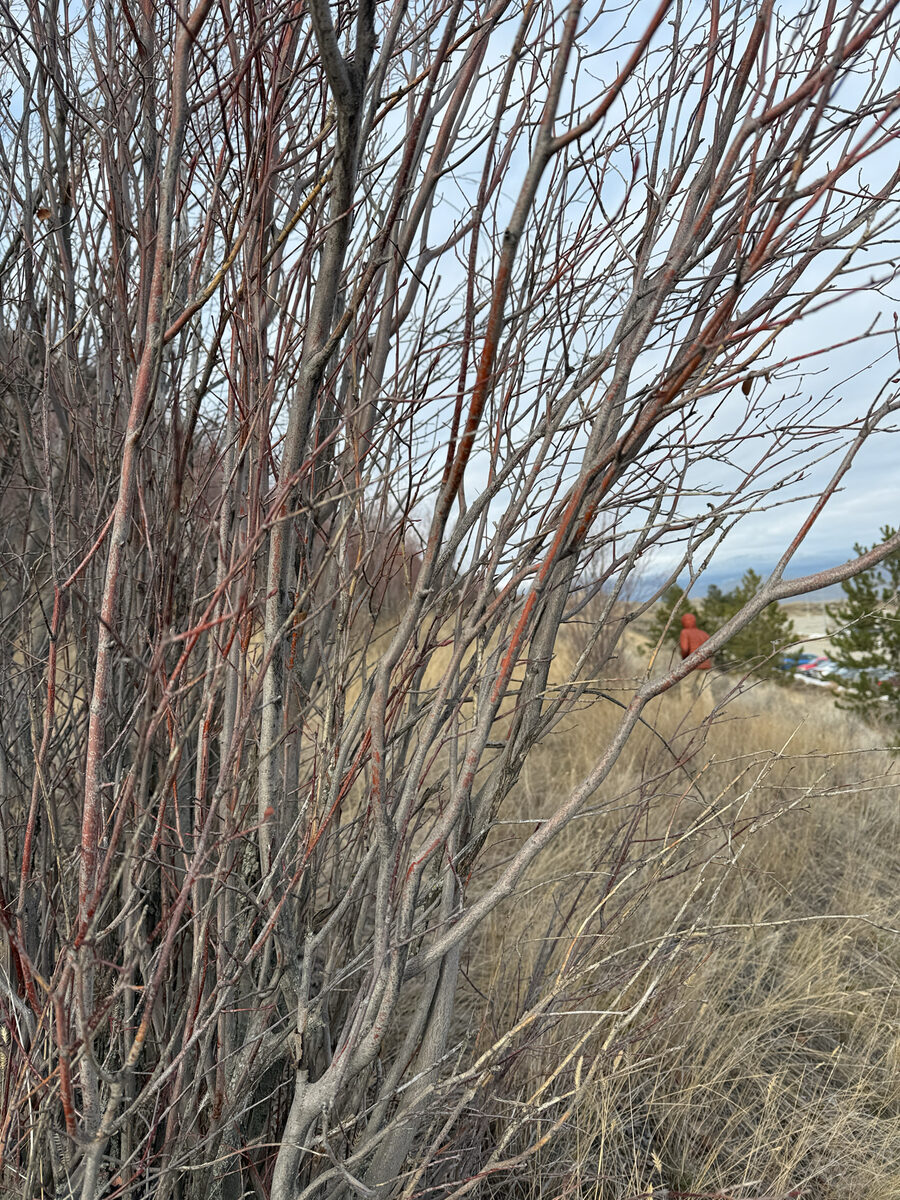
Sorbus caucasica
Zinserl.
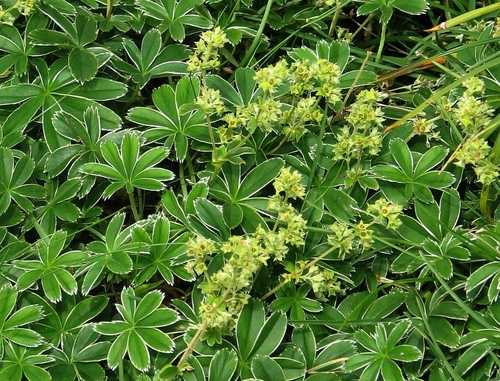
iNaturalist· cc-by-nc
(c) Шильников Дмитрий Сергеевич, some rights reserved (CC BY-NC)
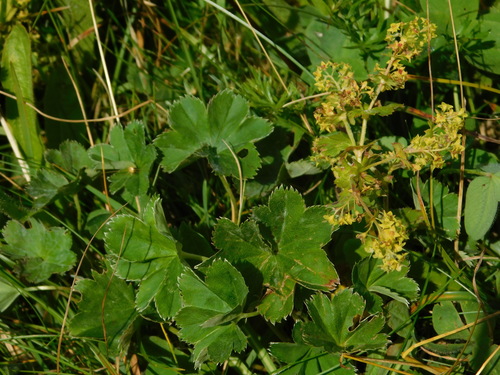
iNaturalist· cc-by-nc
(c) Шильников Дмитрий Сергеевич, some rights reserved (CC BY-NC)
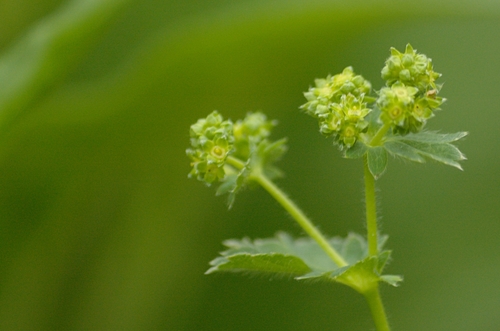
iNaturalist· cc-by-nc
(c) Шильников Дмитрий Сергеевич, some rights reserved (CC BY-NC)
Description
A shrub or small tree in the Rosaceae family found in temperate regions.
This description is brief — help expand it
Edible Uses
The fruit is eaten after the first frost.
Traditional Uses
Fruit are eaten after the first frost.
This uses section is brief — help expand it
Medicinal Uses
The wild service tree is one of the most valuable hardwoods in Europe. The wood is fine-grained, very dense and has good bending strength. It was used in the past to make screws for winepresses, billiard cue sticks, musical instruments and turnery. Today, it is usually only used for decorative veneers. The fruit, sometimes called "chequers", are edible and taste similar to dates, although they are now rarely collected for food. They are usually too astringent to eat until they are over-ripe and bletted. They were traditionally known as a herbal remedy for colic. Before the introduction of hops, the fruit were used to flavour beer.
Distribution
It is a temperate plant.
Where It Grows
Caucasus, Georgia,
References (1)
- Maghradze, D. et al, Minor and Underutilised Fruits in Georgia and Their Wild Relatives. ISHS