Prainea limpato
(Miq.) Beumee ex K. Heyne
Limpatu
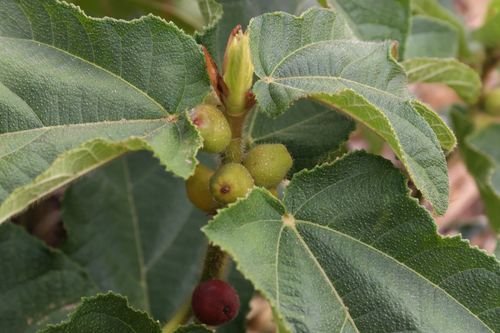
iNaturalist· cc-by-nc
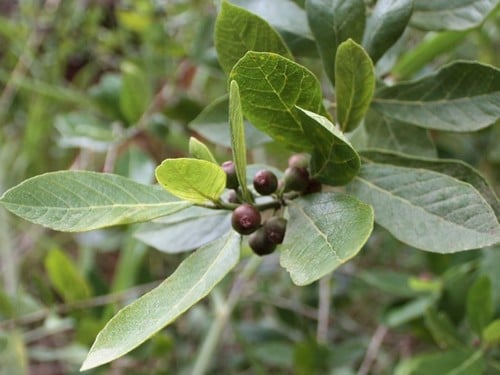
(c) Gabe Sachter-Smith, some rights reserved (CC BY-NC), uploaded by Gabe Sachter-Smith
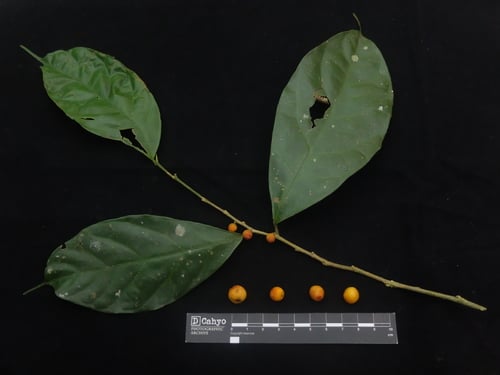
iNaturalist· cc-by-nc
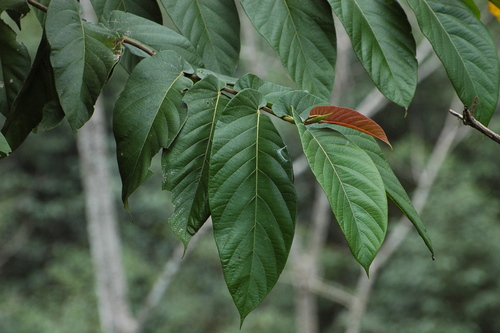
(c) Andre Ronaldo, some rights reserved (CC BY-NC)
Summary
Source: WikipediaPrainea limpato, also known as tampang susu in Malay and more locally as kesusu or empatak, is a species of flowering plant, a fruit tree in the fig family, that is native to Southeast Asia.
Description
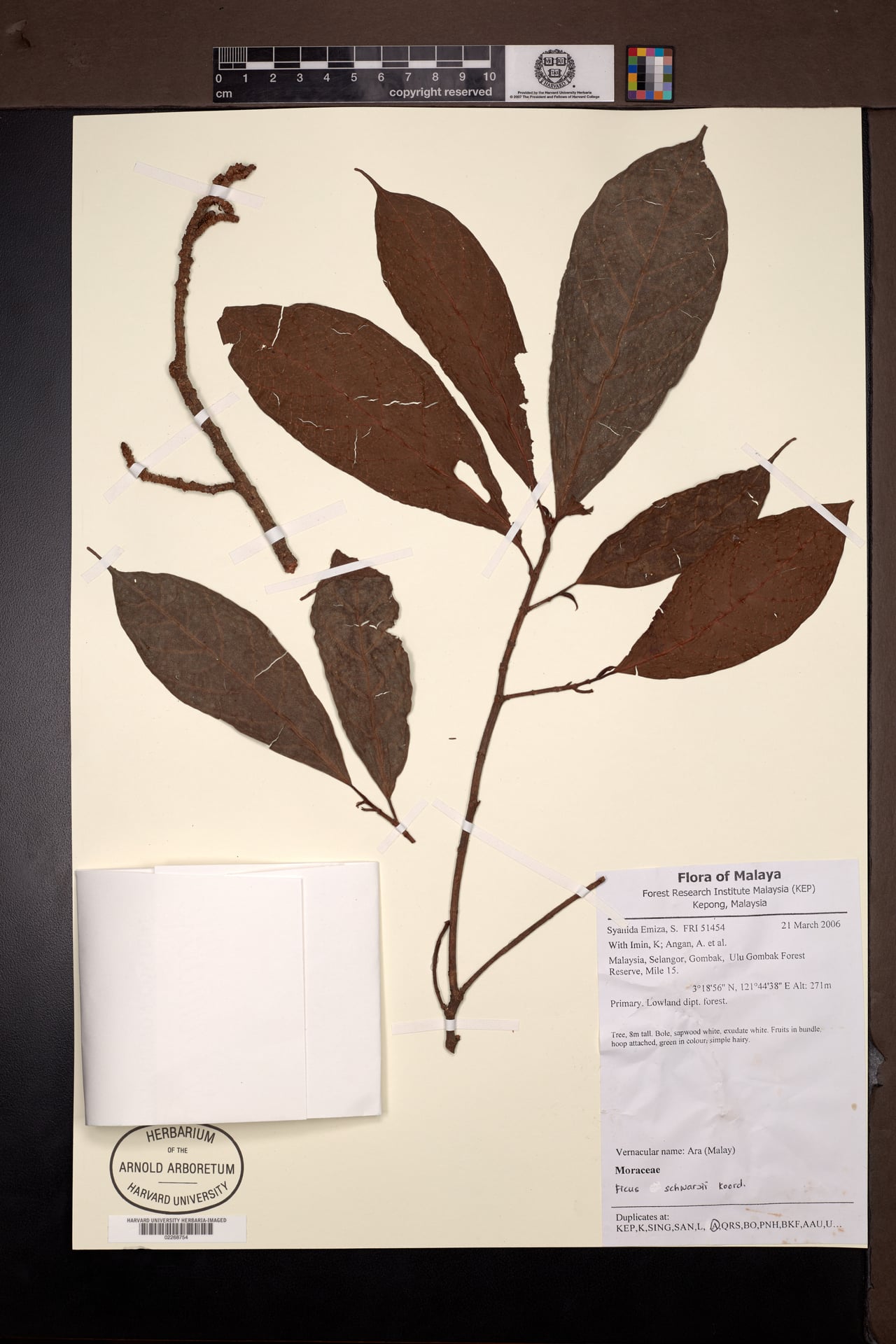
A tree. It grows about 30 m tall. The stem has white sap. The leaves are alternate and simple. They can be hairy underneath. The flowers are 0.5 mm across and greenish. The flowers are fused into a round flower head. The fruit are 5 cm across and green. They are irregular shaped. Only apart of the fruit is developed.
Edible Uses
The fruit is edible.
Distribution
It grows in mixed forests up to 300 m above sea level. It can be on clay, sandy or limestone sois.
Where It Grows
Asia, Indonesia, Malaysia, New Guinea, SE Asia,
Other Uses
The orange-red wood is hard, very durable and is not attacked by insects. It lasts well when immersed in water. It is used in making houses, bridges etc.
Synonyms
Also Known As
Buruni, Ematak, Karon, Kesusu
References (3)
- Slik, F., www.asianplant.net
- World Checklist of Useful Plant Species 2020. Royal Botanic Gardens, Kew
- www.frim.gov.my