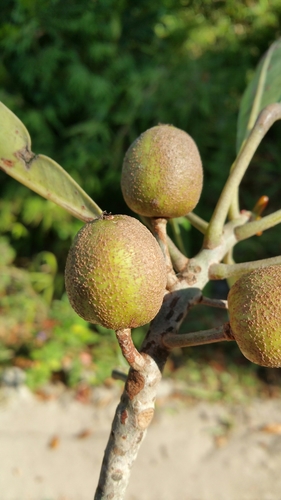
Glochidion zeylanicum var. arborescens
(Blume) Chakrab. & M. Gangop.
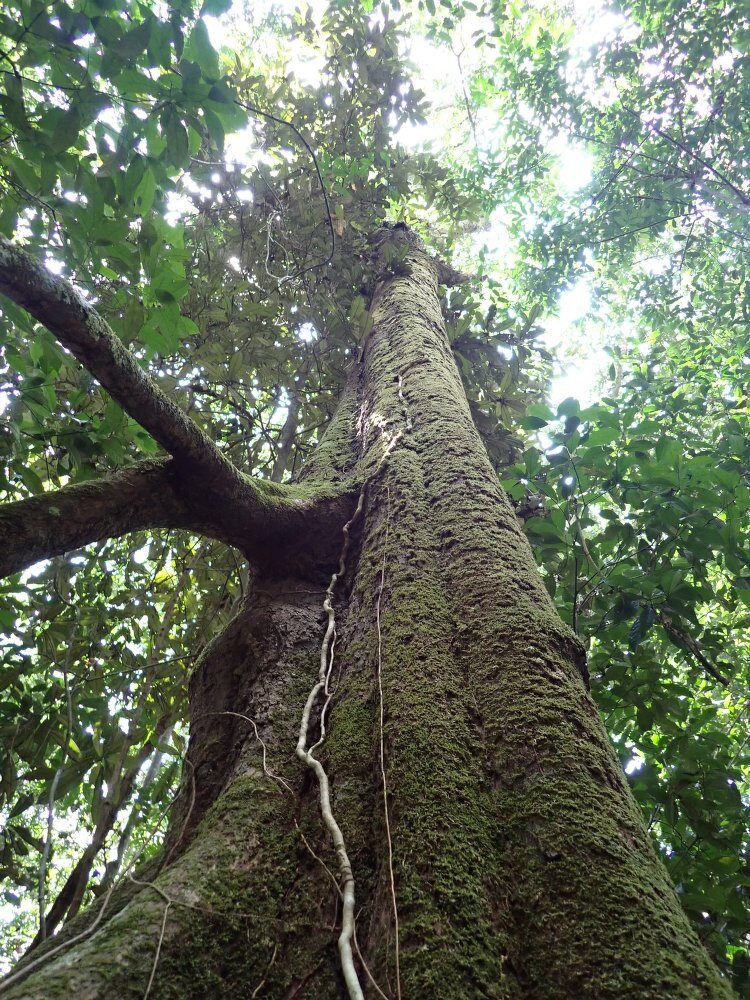
iNaturalist· cc0
no rights reserved, uploaded by 葉子
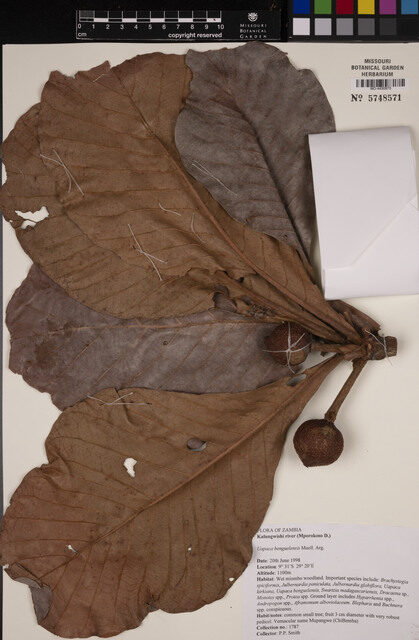
iNaturalist· cc-by-nc
(c) Nicola Newbery, some rights reserved (CC BY-NC), uploaded by Nicola Newbery
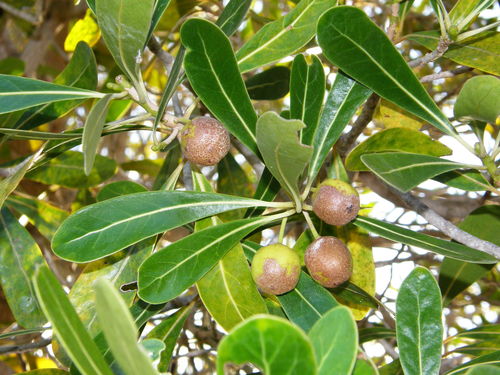
iNaturalist· cc-by-nc
(c) zixuan, some rights reserved (CC BY-NC), uploaded by zixuan
Summary
Source: WikipediaGlochidion zeylanicum is a species of flowering plant in the family Phyllanthaceae. It is a shrub or tree which ranges from the Indian subcontinent through Indochina, southern China, Taiwan, Japan, Malesia, and Papuasia to northern Australia and Vanuatu. The species was first described as Diasperus zeylanicus by Joseph Gaertner in 1791. In 1824 Adrien-Henri de Jussieu placed it in genus Glochidion as Glochidion zeylanicum. The species has a wide distribution and a large population. The IUCN assesses its conservation status as least concern.
Description
A small tree. It grows 15 m tall. The branches are spreading and hairy. The leaves are 5-13 cm long by 3-5.5 cm wide. They are hairy underneath. The fruit is a flattened capsule 3.5-4 mm long by 5-7 mm wide. There are 8 seeds.
Edible Uses
The fruit is eaten.
Distribution
It is a tropical plant. It grows in moist deciduous forest.
Where It Grows
Andamans, Asia, Bangladesh, China, Himalayas, India, Indochina, Indonesia, Malaysia, Myanmar, Northeastern India, SE Asia, Singapore, Thailand,
Production
In India plants are flowering and fruiting April to December.
Synonyms
Also Known As
Tuaitit
References (1)
- Lalfakzuala, R., 2007, Ethnobotanical usages of plants in western Mizoram. Indian Journal of Traditional Knowledge. Vol 6(3) pp 480-493 (As Glochidion arborescens)