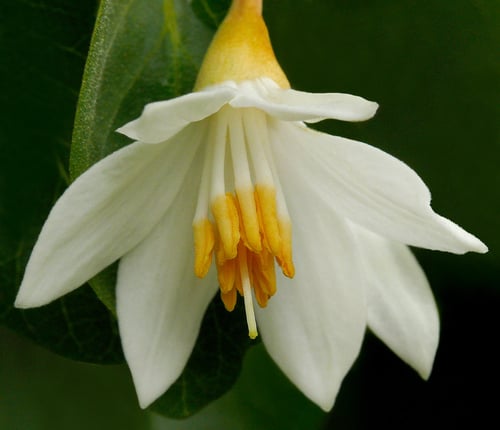
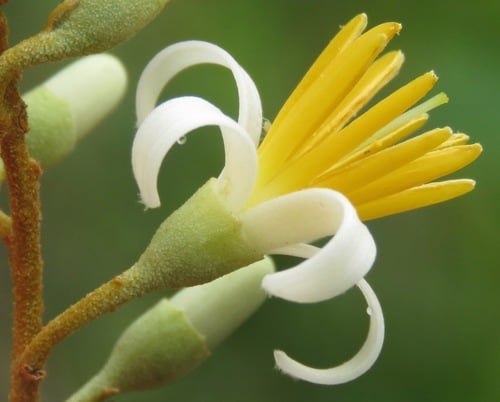
Bruinsmia polysperma
(C. B. Clarke) Steenis
gbif· cc-by
Royal Botanic Gardens, Kew
gbif· cc-by
Royal Botanic Gardens, Kew
gbif· cc-by
Royal Botanic Gardens, Kew
Description
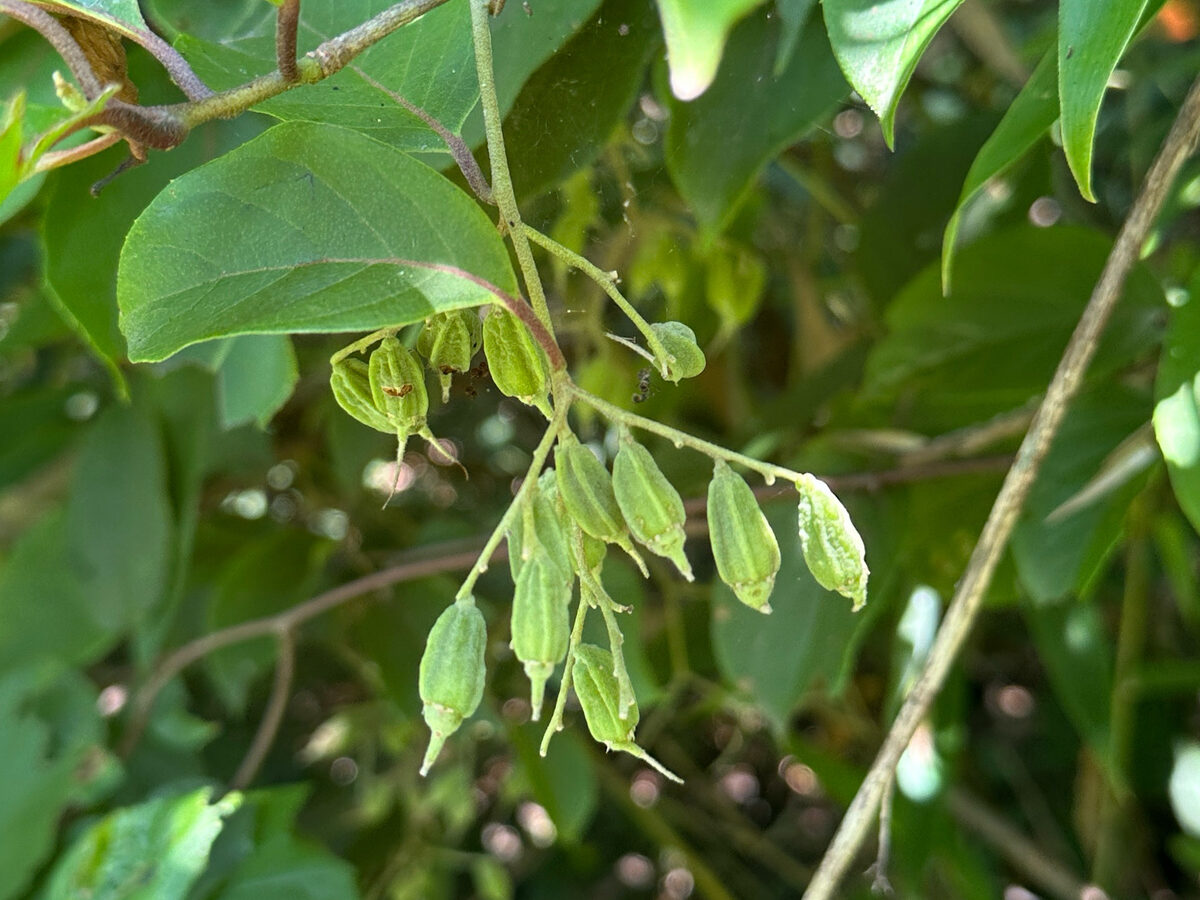
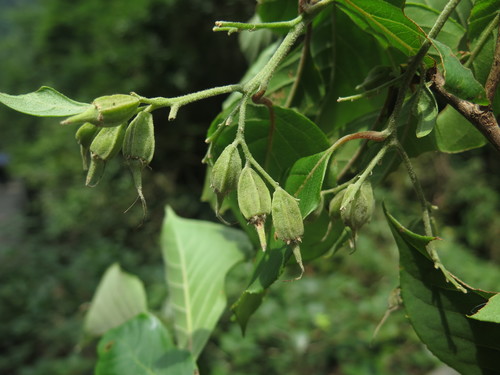
A tree. It grows 15 m tall. The trunk is 60 cm across. The leaves are narrowly oval and 14-17 cm long by 6-8 cm wide. There can be teeth towards the tip. The fruit are oblong and 10-12 mm long by 7-9 mm wide. The seeds are 1.5 mm long and pointed at both ends.
Edible Uses
The ripe fruit are eaten and sold in local markets.
Traditional Uses
The ripe fruit are eaten.
This uses section is brief — help expand it
Distribution
It is a tropical plant. It grows in primary forests between 1,100-1,300 m above sea level in Yunnan.
Where It Grows
Asia, China, India, Myanmar, Northeastern India, SE Asia, Vietnam,
Production
In southern China plants flower in April to July and fruit October to December.
Other Information
Fruit are sold in local markets.
Synonyms
Also Known As
Theipalingkawh
References (4)
- Dobriyal, M. J. R. & Dobriyal, R., 2014, Non Wood Forest Produce an Option for Ethnic Food and Nutritional Security in India. Int. J. of Usuf. Mngt. 15(1):17-37
- Hazarika, T. K., et al, 2012, Studies on wild fruits of Mizoram, India used as ethno-medicines. Genetic Resources and Crop Evolution. Published on line 03 February, 2012
- Kar, A., et al, 2013, Wild Edible Plant Resources used by the Mizos of Mizoram, India. Kathmandu University Journal of Science, Engineering and Technology. Vol. 9, No. 1, July, 2013, 106-126
- Lalfakzuala, R., 2007, Ethnobotanical usages of plants in western Mizoram. Indian Journal of Traditional Knowledge. Vol 6(3) pp 480-493