Styrax benzoin
Dryand.
Benzoin, Storax, Sumatra benzoin
iNaturalist· cc-by-nc-nd
(c) James Gaither, some rights reserved (CC BY-NC-ND)
iNaturalist· cc-by
(c) Adam Kamal, some rights reserved (CC BY)
Summary
Source: WikipediaStyrax benzoin is a species of tree native to Indochina and western Malesia. Common names for the tree include gum benjamin tree, loban (in Arabic), kemenyan (in Indonesia and Malaysia), onycha, and Sumatra benzoin tree.
Description
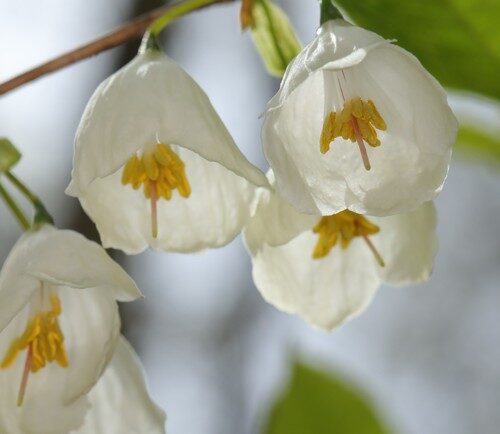
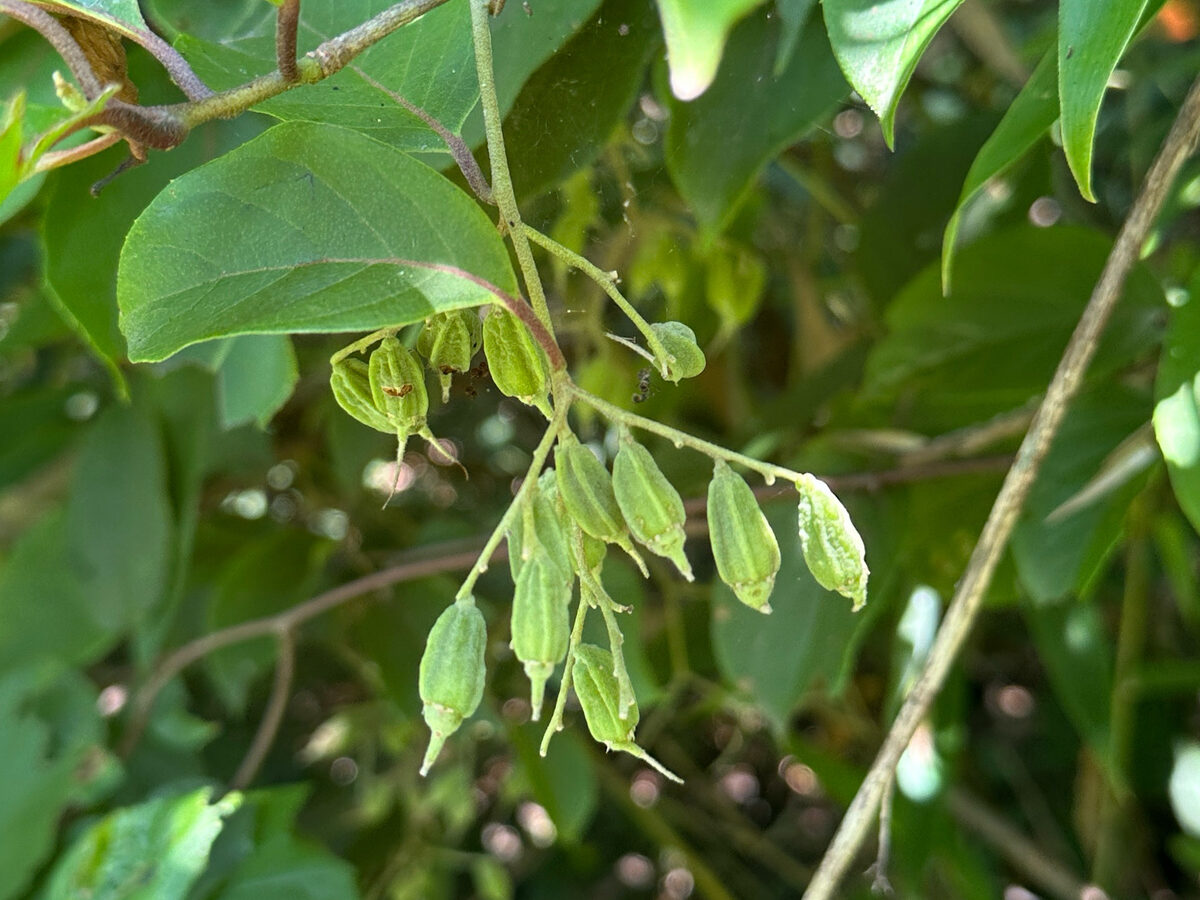
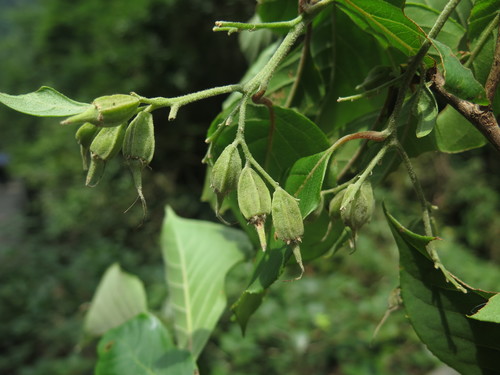
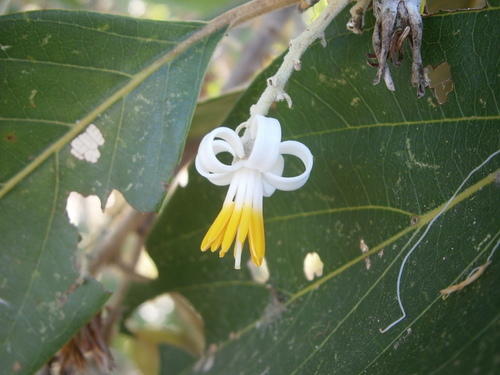
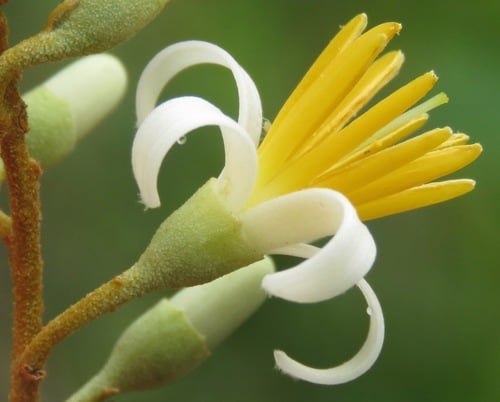
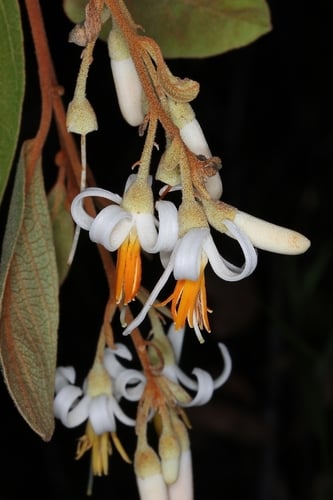
An evergreen tree. It grows 6-12 m high and spreads 3-6 m wide. The trunk is stout. The main branches have a heavy, resinous grey-brown bark. The leaves are 10-15 cm long. There are fine teeth along the edge. The flowers are small and white in panicles of up to 20 flowers.
Edible Uses
The resin from the bark is used to flavour chewing gum, baked goods, frozen dairy desserts, puddings, soft drinks, candies, and chocolate.
Traditional Uses
The bark is the source of a resin used to flavour chewing gum, bake goods, frozen dairy desserts, puddings, soct drinks, candies and chocolate.
This uses section is brief — help expand it
Medicinal Uses
Benzoin gum is a balsamic resin. It contains variable quantities of cinnamic, benzoic and sumaresinolinic acid esters; free acids such as benzoic acid; benzaldehyde and vanillin. The gum is strongly antiseptic, carminative, expectorant and astringent. In Chinese medicine it is considered to be a circulatory stimulant. Taken internally, the gum acts to settle griping pains, to stimulate coughing and to disinfect the urinary tract. It is used in the treatment of coughs, colds, bronchitis, sore throats. In the form of a tincture, benzoin is inhaled with steam for the relief of catarrh, laryngitis, bronchitis and upper respiratory tract disorders It is used externally on wounds and ulcers to tighten and disinfect the affected tissue. It is also used for the prevention and treatment of cold sores, for the treatment of warts and to freshen and soothe dry skin and ameliorate skin allergies. The gum is obtained from deep incisions made in the bark of trees that are at least 7 years old. The gum is used in aromatherapy, where it is considered to be a sedative. Benzoin gum is an ingredient of the proprietary preparation 'Friar's Balsam'. This is an antiseptic and expectorant steam inhalation for sore throats, head and chest colds, asthma and bronchitis.
Distribution
A tropical plant. It grows in primary mountainous rainforests between 600-1,000 m above sea level. It suits hardiness zones 10-11.
Where It Grows
Asia, Australia, India, Indochina, Indonesia*, Laos, Malaysia, Myanmar, SE Asia, Thailand, Vietnam,
Cultivation
Plants can be grown from seeds.
Propagation
Seed - Cuttings of half ripe wood.
Other Uses
Benzoin gum is used as an antioxidant in cosmetics and a fixative in perfumes. The better grades of benzoin are extracted for the manufacture of fragrant products. These include personal health care products such as toilet soaps, shampoos, body lotions and creams; and household and other products such as liquid soaps, air fresheners and washing detergents. One of the important functions of the gum is to serve as a fixative for the other fragrance materials, increasing the tenacity and preventing loss of the middle and top notes of the more volatile components. The gum is used as an incense or for making joss sticks. Most commonly, small or crushed pieces of the raw benzoin, in semi-processed block form, are simply placed on an open fire, either in the house or in the place of worship. Sometimes it is mixed with other natural fragrance resins such as frankincense (Boswellia spp.), myrrh (Copaifera spp.) and storax (Liquidambar orientalis).
Other Information
It is cultivated.
Also Known As
Antuc, Ketku-gamyin, Pohon kemenyan
References (9)
- Cundall, P., (ed.), 2004, Gardening Australia: flora: the gardener's bible. ABC Books. p 1381
- Facciola, S., 1998, Cornucopia 2: a Source Book of Edible Plants. Kampong Publications, p 240
- Hedrick, U.P., 1919, (Ed.), Sturtevant's edible plants of the world. p 637
- Morton,
- Philos. Trans. 77(2):308, t. 12. 1787
Show all 9 references Hide references
- Sukarya, D. G., (Ed.) 2013, 3,500 Plant Species of the Botanic Gardens of Indonesia. LIPI p 528
- Tanaka,
- Wiersema, J. H. & Leon, B., 2013, World Economic Plants. A Standard Reference CRC Press. 2nd Ed. p 666
- Zeven, A. C. & de West, J. M. J., 1982, Dictionary of cultivated plants and their regions of diversity. Wageningen. p 64