Chrysophyllum argenteum subsp. auratum
(Miq.) T. D. Penn.
Wild starapple
iNaturalist· cc-by-nc
(c) Steve Maldonado Silvestrini, some rights reserved (CC BY-NC), uploaded by Steve Maldonado Silvestrini
iNaturalist· cc-by-nc
(c) Omar Monzon Carmona, some rights reserved (CC BY-NC), uploaded by Omar Monzon Carmona
iNaturalist· cc-by-nc
(c) Alejandro Castaño Naranjo, some rights reserved (CC BY-NC), uploaded by Alejandro Castaño Naranjo
Summary
Source: WikipediaChrysophyllum argenteum is a tree in the family Sapotaceae, native to the tropical Americas.
Description
A medium sized tree. It can grow 35 m tall and have a trunk 65 cm across. It has white latex or sap. The leaves have golden hairs. The flowers are small and in axils of the leaves. The fruit are shiny red-purple berries. They are oval and 2-2.5 cm long by 1.5-2 cm wide. There is 1 seed.
Edible Uses
The fruit are eaten fresh for their sweet taste.
Traditional Uses
The fruit have a sweet taste.
This uses section is brief — help expand it
Distribution
It is a tropical plant.
Where It Grows
Amazon, America, Andes, Brazil, Colombia, Ecuador, French Guiana, Guyana, Peru, South America, Suriname, Venezuela,
Synonyms
Also Known As
Abiurana-batinga, Akuzi-titiwara, Caimito dulce, Kala mulisili, Kameri, Karu merei, Maparajuba, Massaranduba, Meningoe, Niam-boka, Pinto-boletri, Rosada-brava, Sururu burue, Wenaye, Wilapila
References (6)
- Grandtner, M. M. & Chevrette, J., 2013, Dictionary of Trees, Volume 2: South America: Nomenclature, Taxonomy and Ecology. Academic Press p 129
- Kermath, B. M., et al, 2014, Food Plants in the Americas: A survey of the domesticated, cultivated and wild plants used for Human food in North, Central and South America and the Caribbean. On line draft. p 222
- Roa, J. A. G. & Boada, D. S. G., 2018, Fundación para el Fortalecimiento de la Fruticultura y Plantas Alimenticias no Convencionales en Colombia.
- Torre, de la, L., et al, 2008, Enciclopedia de las Plantas Útiles del Ecuador. Herbario QCA. Pontificia Universidad Católica del Ecuador. p 569
- Van Roosmalen, M.G.M., & Garcia, O. M.,2000, Fruits of the Amazonian Forest. Part 2: Sapotaceae. Acta Amazonica 30(2): 187-290
Show all 6 references Hide references
- van Andel, T., 2000, Useful plants of Guyana. Non-timber forest products of the North-West District of Guyana. Part 2. A Field Guide. Tropenbos-Guyana Programme. p 305
More from Sapotaceae
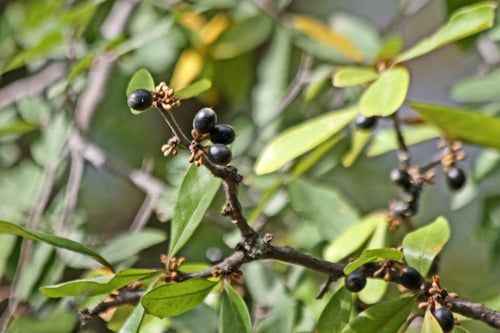
Sideroxylon lanuginosum
Woolly buckthorn
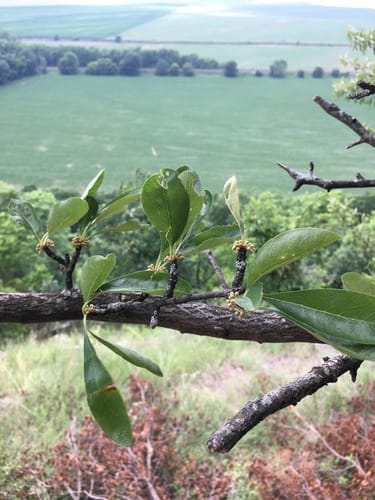
Sideroxylon lanuginosum subsp. oblongifolium
Chittamwood
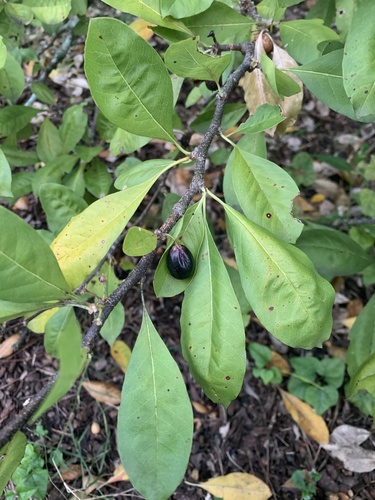
Sideroxylon lycioides
Shittamwood, Buskthorn Bumelia, Buckthorn bully
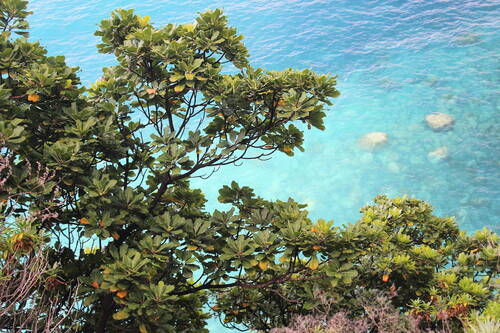
Sideroxylon mirmulans
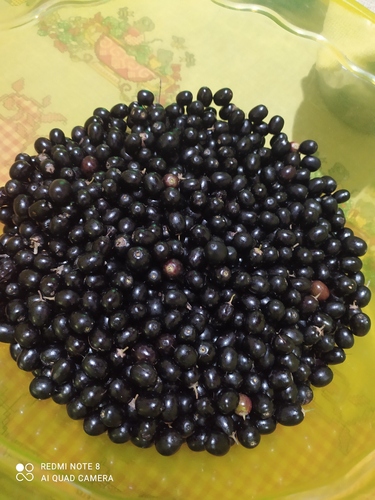
Sideroxylon obtusifolium
Obtuseleaf jungleplum
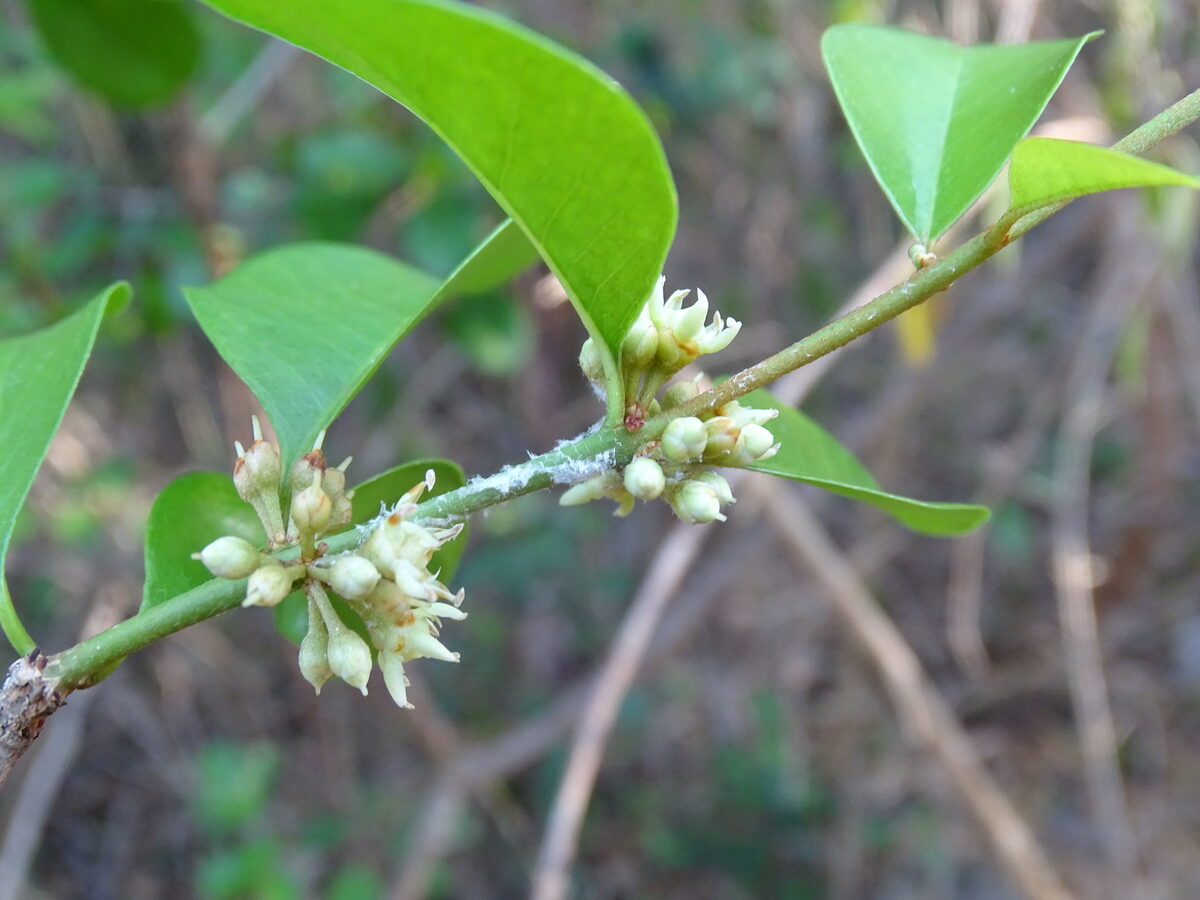
Sideroxylon obtusifolium subsp. buxifolium
Avalo, Cagalera, Caimito