Rubus lucens
Focke
gbif· cc0
Royal Botanic Garden Edinburgh
gbif· cc-by-nc
RSA - California Botanic Garden Herbarium (RSA-RSA)
gbif· cc-by
Royal Botanic Gardens, Kew
Description
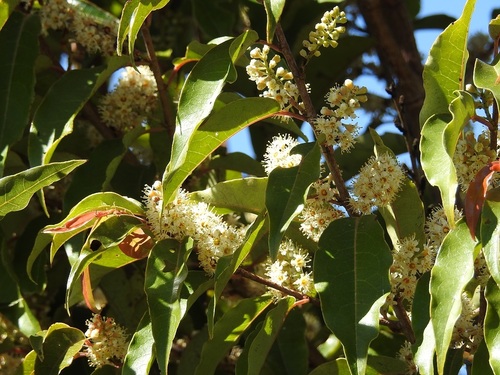
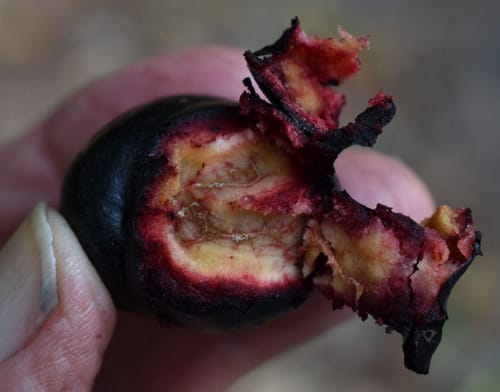
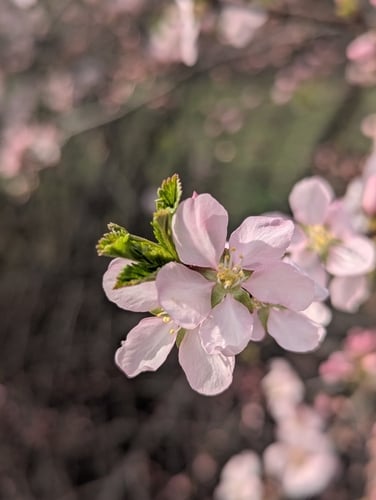
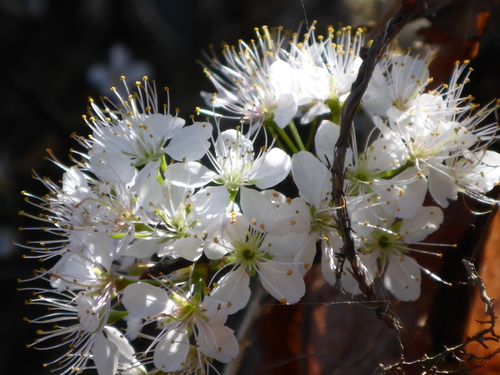
A stout shrub. It lies along the ground. It has small hooked prickles. The leaves have leaflets along the stalk with 3 leaflets. The flowers are pink. The fruit is fleshy and red.
Edible Uses
The ripe fruit are eaten and enjoyed fresh.
Traditional Uses
The ripe fruit are eaten.
This uses section is brief — help expand it
Distribution
It is a tropical plant. It grows in mountain valleys between 600-3,000 m above sea level. In Yunnan.
Where It Grows
Asia, China, India, Indonesia, Myanmar, Northeastern India, Philippines, SE Asia,
Production
In China plants flower in June to August and fruit October to December.
Other Information
Fruit are enjoyed.
Dangerous Lookalikes
This plant can be confused with the following toxic species. Always verify identification carefully before consuming any wild plant.
Red Baneberry
Actaea rubra
Walter Siegmund (talk)
Rubus lucens
Rubus lucens
Royal Botanic Garden Edinburgh
Red Baneberry: Short herbaceous plant (no thorns), berries on thick red stems, each berry has a single seed, compound sharply-toothed leaves.
Rubus lucens: Thorny woody canes (brambles), aggregate berry made of many drupelets, berries pull easily from receptacle.
Also Known As
Jeheru poka, Mwiki pitai, Noga jhejheru
References (5)
- Baishya, S. Kr., et al, 2013, Survey of Wild Edible Fruits of Dhubri District, Assam, India. Plant Archives Vol 13 (1): 155-158
- Flora of China @ efloras.org Volume 9
- Brahma, S., et al, 2013, Wild edible fruits of Kokrajhar district of Assam, North-East India, Asian Journal of Plant Science and Research 3(6):95-100
- Patiri, B. & Borah, A., 2007, Wild Edible Plants of Assam. Geethaki Publishers. p 51
- Sarma, H., et al, 2010, Updated Estimates of Wild Edible and Threatened Plants of Assam: A Meta-analysis. International Journal of Botany 6(4): 414-423