Saurauia armata
Wall.
gbif· cc-by-sa
GBIF
gbif· cc-by-sa
GBIF
gbif· cc-by-sa
GBIF
Description
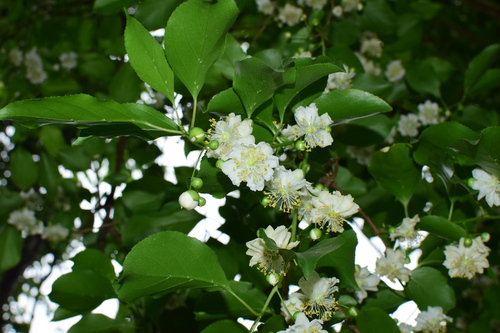
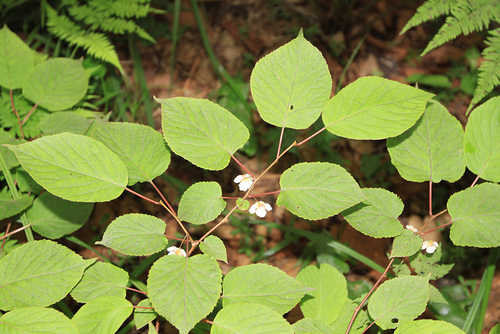
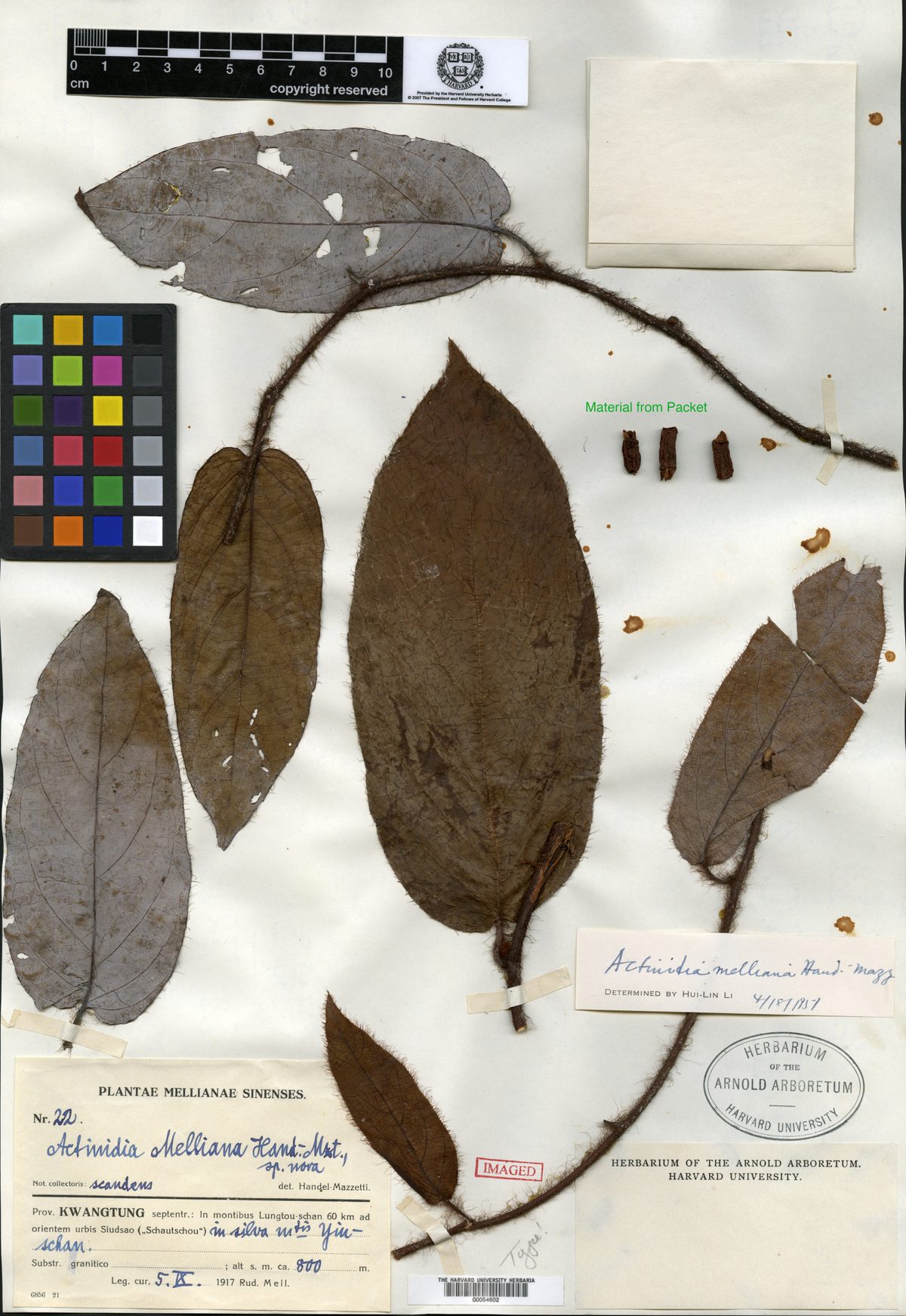
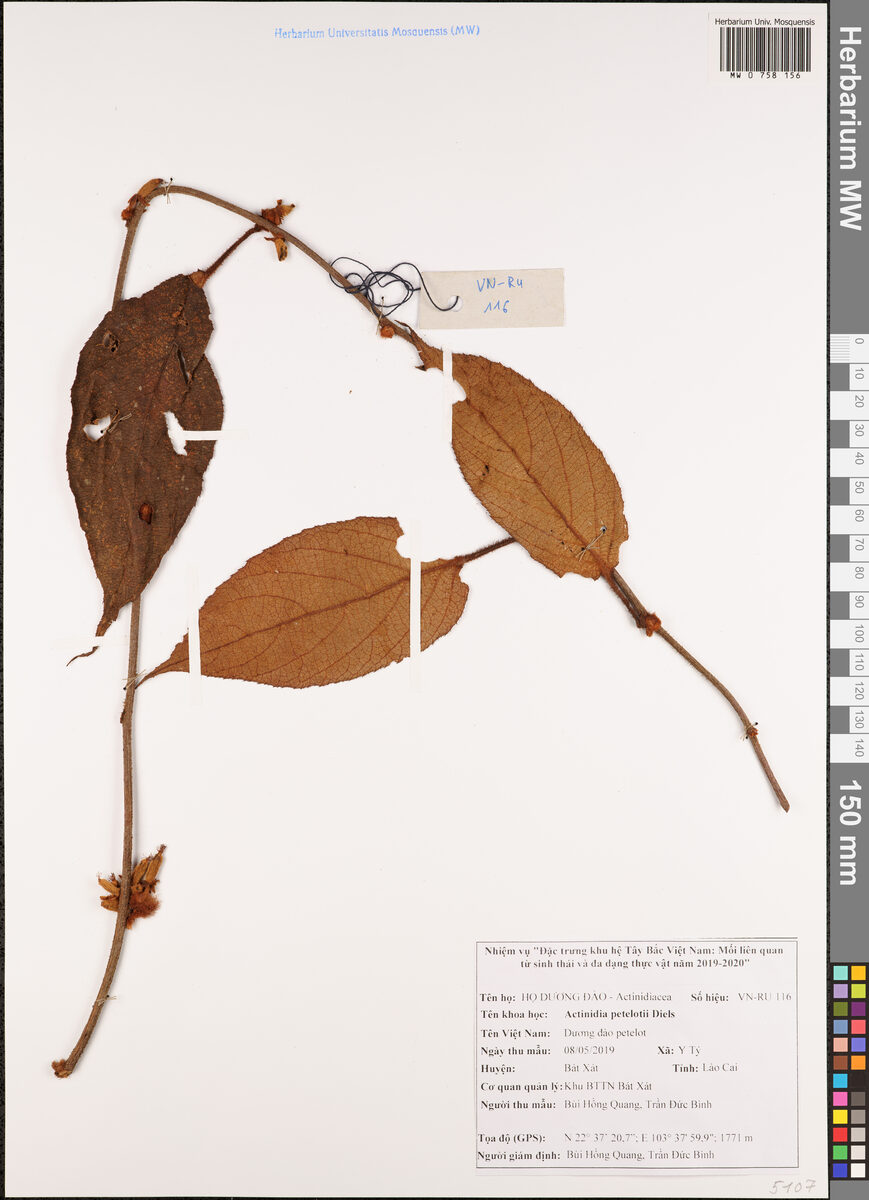
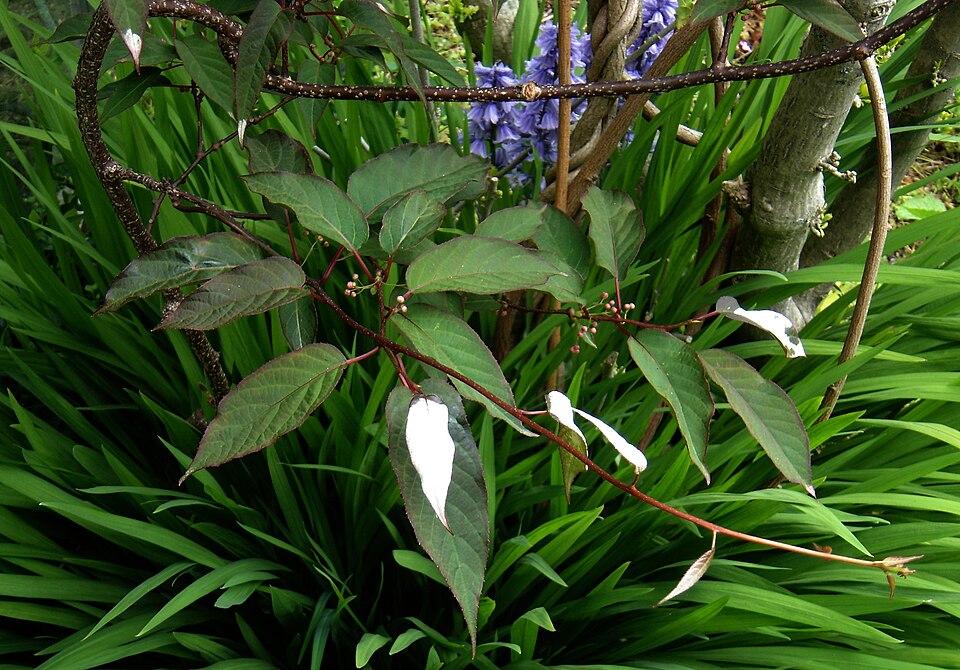
A shrub or small tree. It grows 3 m tall. It has sharp pointed scales. The leaves are dark brown. They are broadly oval and wedge shaped. They are 15-35 cm long by 8-17 cm wide. The flowers are white. They can occur singly or in clusters. The flowers are 1.5 cm across. The fruit are round or oval and have pink hairs.
Edible Uses
The ripe fruit are eaten and have a sweet flavor.
Traditional Uses
The ripe fruit are eaten. They are sweet.
This uses section is brief — help expand it
Distribution
It is a subtropical plant.
Where It Grows
Asia, Bhutan, China, Himalayas, India, Indochina, Myanmar, Northeastern India, Pakistan, SE Asia, Thailand, Vietnam,
Notes
Also put in the family Saurauiaceae. An unresolved name in The Plant List.
Synonyms
Also Known As
Ajichila, Hero, Himpum, La zhi shui dong ge, Parbatia sengunia, Poprar, Soda nhon, Umpler
References (5)
- Mozhui, R., et al, 2011, Wild edible fruits used by the tribals of Dimapur district of Nagaland, India. Pleione 5(1): 56 - 64
- Murtem, G. & Chaudhrey, P., 2016, An ethnobotanical note on wild edible plants of Upper Eastern Himalaya, India. Brazilian Journal of Biological Sciences, 2016, v. 3, no. 5, p. 63-81.
- Patiri, B. & Borah, A., 2007, Wild Edible Plants of Assam. Geethaki Publishers. p 12
- Srivastava, R. C., 2009, Traditional knowledge of Adi tribe of Arunachal Pradesh on plants. Indian Journal of Traditional Knowledge. 8(2): 146-153
- Srivastava, R. C., 2010, Traditional knowledge of Nyishi (Daffla) tribe of Arunachal Pradesh. Indian Journal of Traditional Knowledge. 9(1):26-37