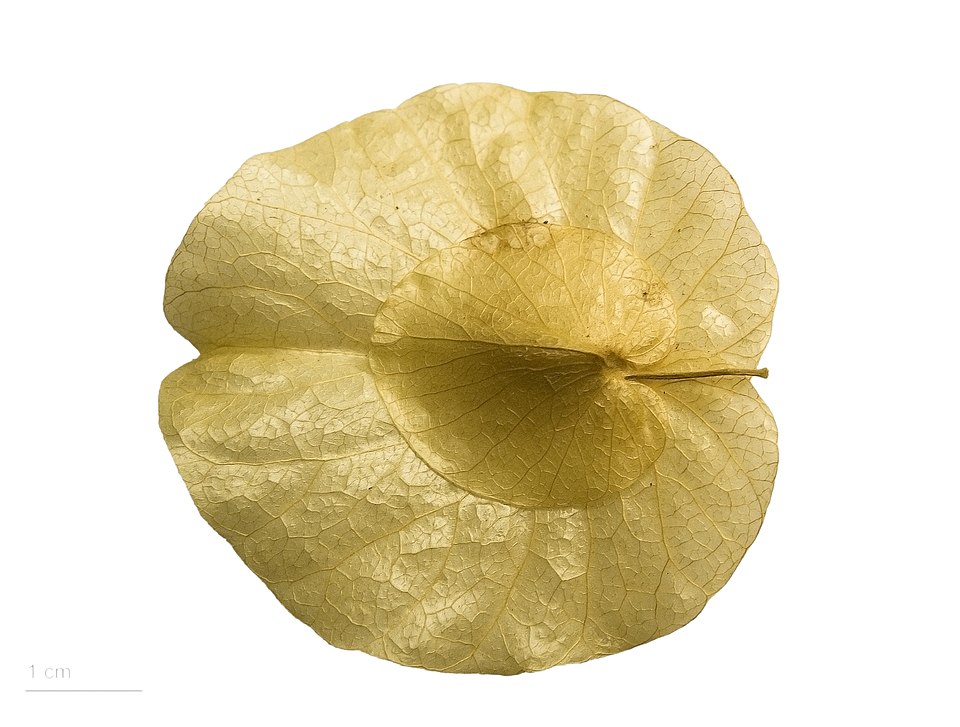
Ipomoea fistulosa
Mart. ex Choisy
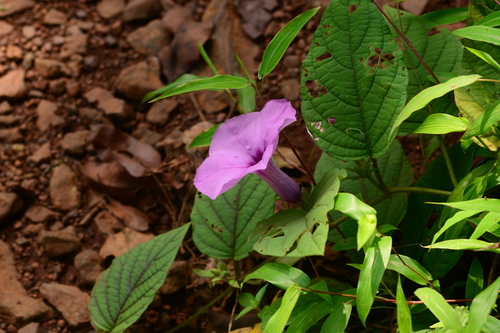
iNaturalist· cc-by-nc
(c) Tony Benn, some rights reserved (CC BY-NC)
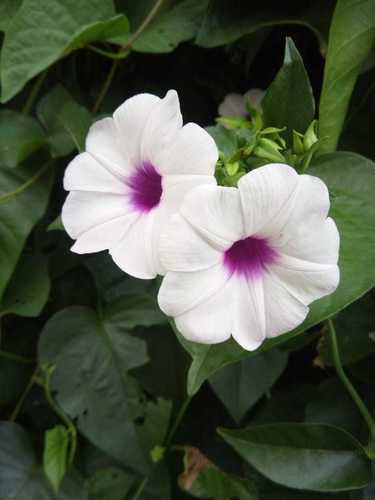
iNaturalist· cc-by-nc
(c) Guadalupe Torres, some rights reserved (CC BY-NC)
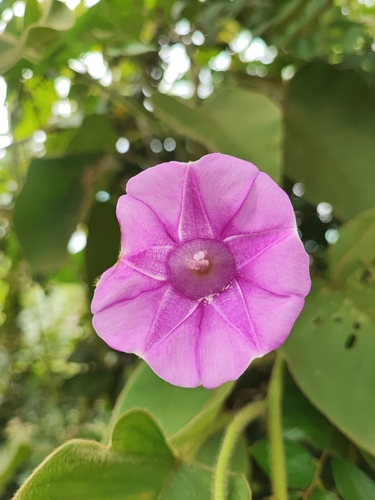
iNaturalist· cc-by-nc
(c) rolandwirth, some rights reserved (CC BY-NC)
Description
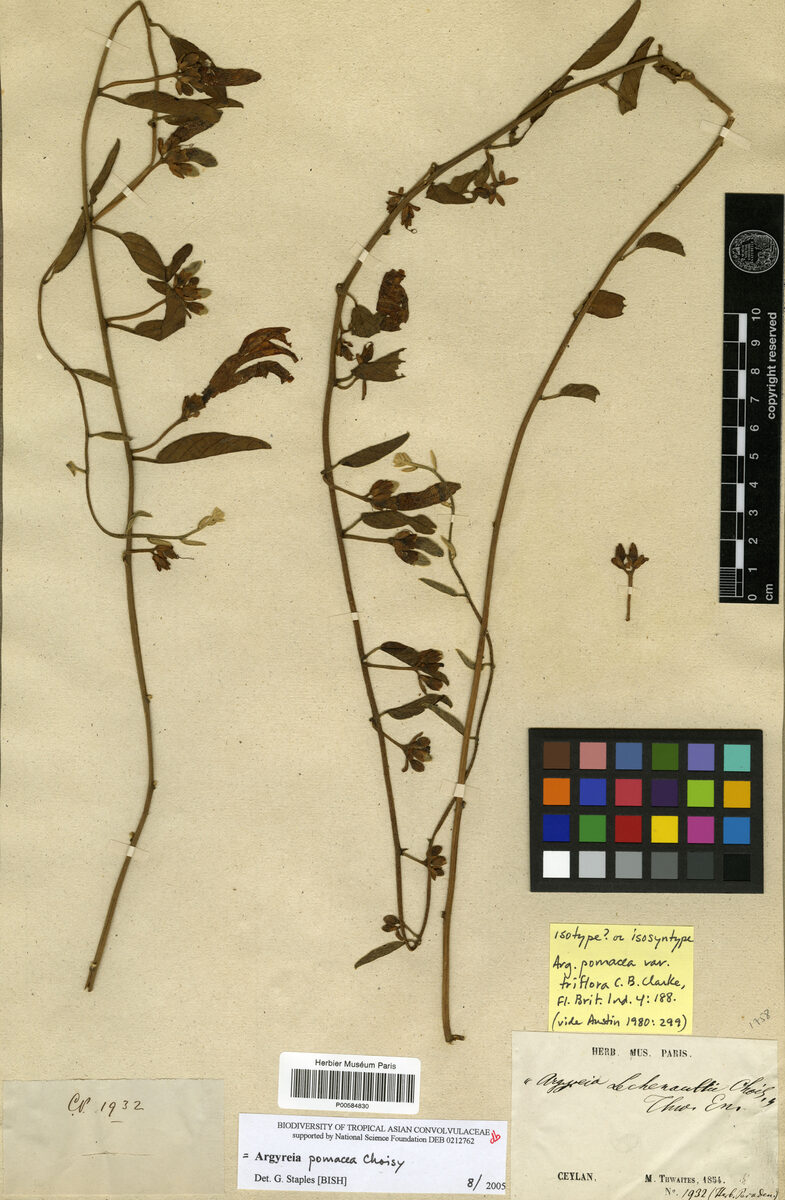
A shrub. It grows 3 m tall. The twigs have white sap. The leaves are alternate and simple. The leaves are heart shaped. The flowers are 10 cm across. They are white to violet. They are in groups. The fruit are 18 mm long. They have 4 hairy seeds.
Edible Uses
The leaves and flowers are eaten, with the flowers typically cooked as a vegetable.
Traditional Uses
The flowers are cooked as a vegetable.
This uses section is brief — help expand it
Distribution
It is a tropical plant. It grows in mid altitudes along rivers and it can be near the beach. It grows in open places.
Where It Grows
Africa, Antigua and Barbuda, Asia, Benin, Botswana, Brazil, Fiji, India, Indonesia, Mexico, Myanmar, Nauru, North America, Pacific, Paraguay, Rotuma, SE Asia, USA, West Africa,
Synonyms
Also Known As
Nihuto
References (5)
- Achigan-Dako, E, et al (Eds), 2009, Catalogue of Traditional Vegetables in Benin. International Foundation for Science.
- Chauhan, S. H., et al, 2018, Consumption patterns of wild edibles by the Vasavas: a case study from Gujarat, India. Journal of Ethnobiology and Ethnomedicine (2018) 14:5
- & Fosberg, Flora of Nauru.
- Franklin, J., Keppel, G., & Whistler, W., 2008, The vegetation and flora of Lakeba, Nayau and Aiwa Islands, Central Lau Group, Fiji. Micronesica 40(1/2): 169–225, 2008
- Slik, F., www.asianplant.net