Licania pyrifolia
Griseb.
Indian mango licania
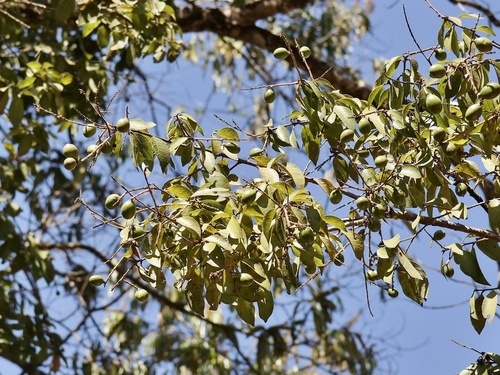
iNaturalist· cc-by-nc
(c) Juan Camilo Muñoz, some rights reserved (CC BY-NC)
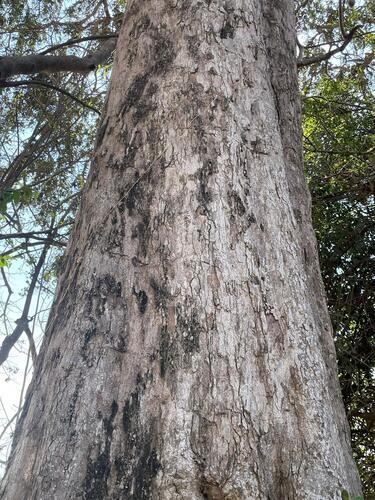
iNaturalist· cc-by-nc
(c) Juan Camilo Muñoz, some rights reserved (CC BY-NC)
iNaturalist· cc-by-nc
(c) Juan Camilo Muñoz, some rights reserved (CC BY-NC)
Description
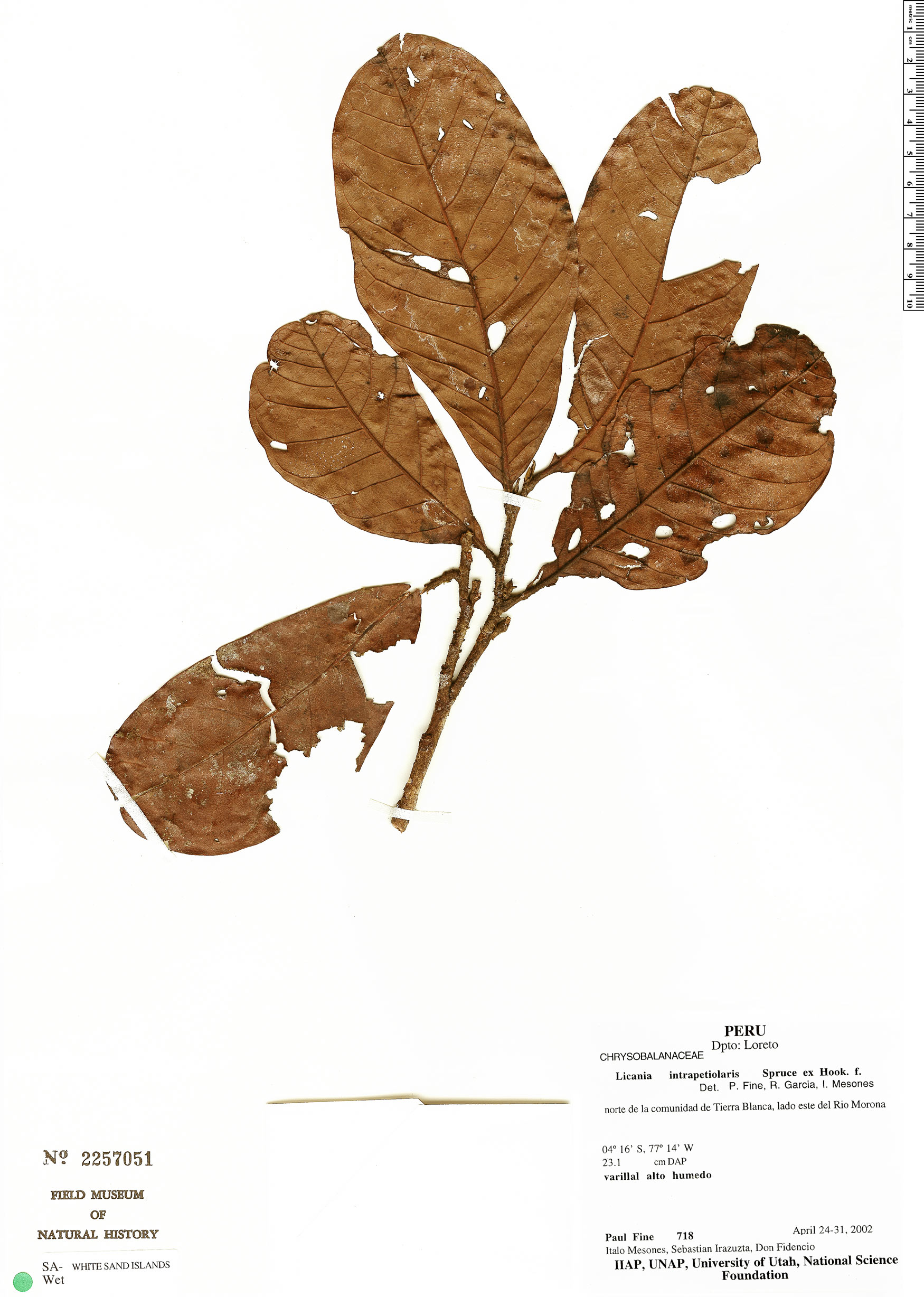
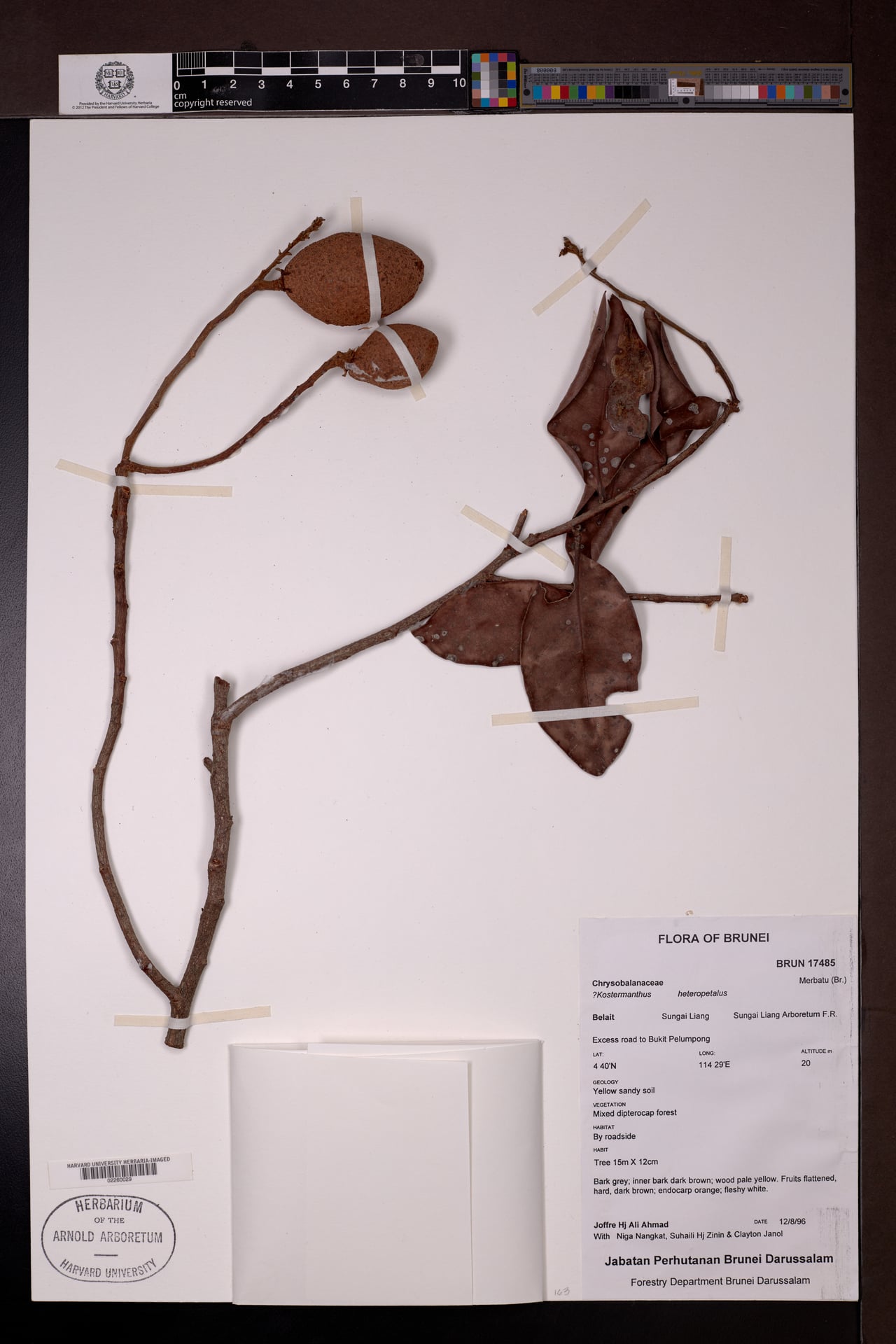
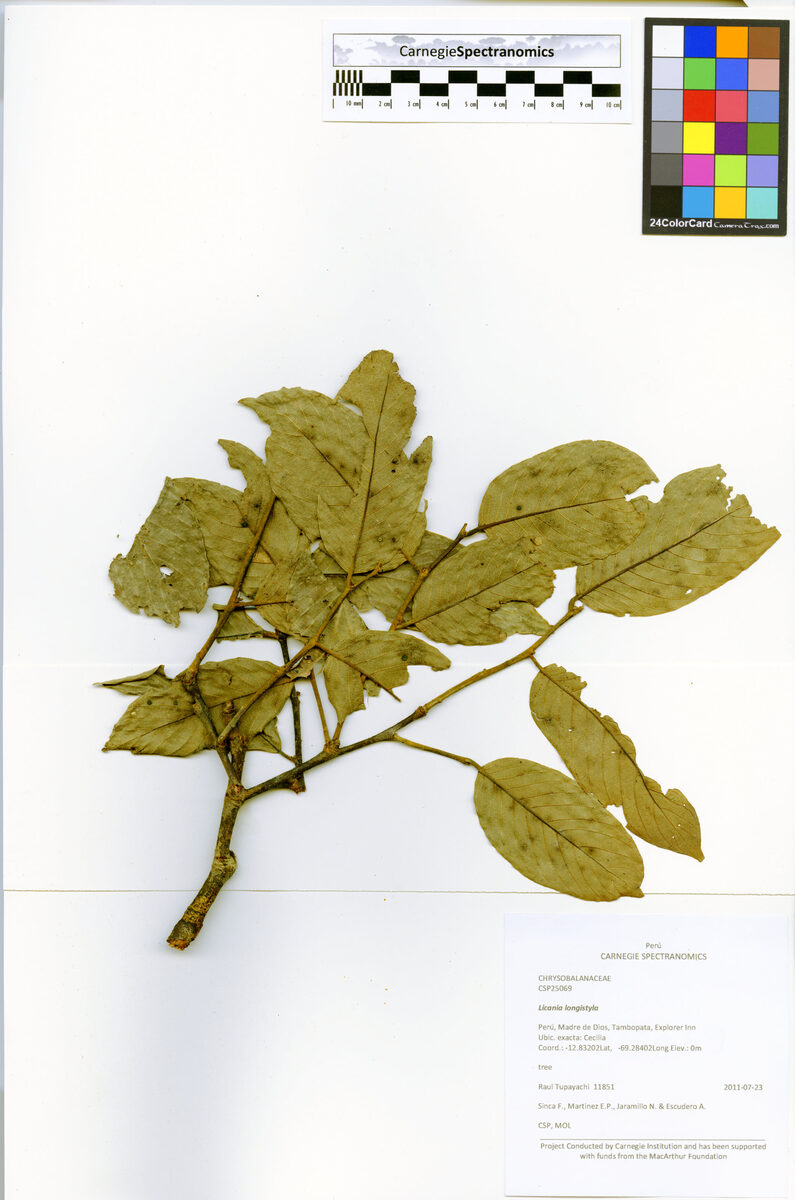
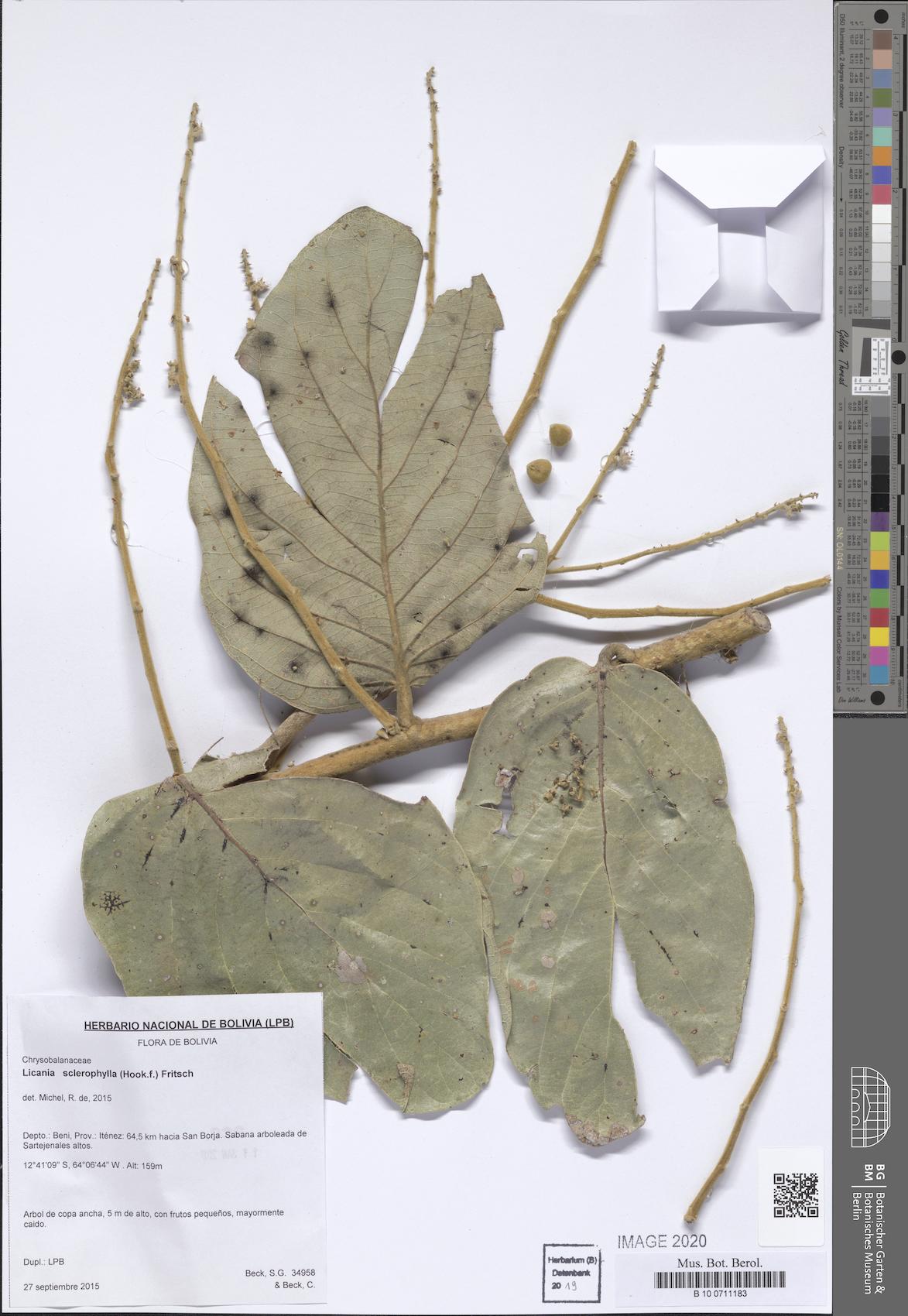
A medium-sized tropical tree in the Chrysobalanaceae family with spreading branches, oval papery leaves 5-11 cm long by 2-6 cm wide with a sharp tip and rounded base, small flowers in spreading groups near branch ends, and oblong fruits 11 cm long by 5 cm wide.
Edible Uses
Fruit. It is not edible. The oblong fruit is up to 11cm long and 5cm wide, enclosing a single large seed.
Distribution
Northern S. America - Colombia, Venezuela; Caribbean - Trinidad, Windward Islands.
Where It Grows
Fruit,
Other Uses
The wood is hard. We have no more specific information on the qualities of this wood, the following is the general description for the genus:- The wood is a pale or pinkish brown with a greyish tinge, sometimes darkening on exposure, and with long, broad, prominent, dark reddish brown gum streaks. Straight-grained; medium or coarse-textured; when seasoned it is odourless and tasteless. The wood is heavy, hard, strong, and durable. It is easy to split and takes a smooth, fairly lustrous polish. It should be suitable for heavy construction.
Other Information
Chrysobalanaceae
Notes
A medium sized tree. It often has spreading branches. The young branches have cottony hairs but these fall off. The leaf stalks are very slender. The leaves are oval and papery. They are 5-11 cm long by 2-6 cm wide. They have a sharp tip and a rounded base. The flowers are in spreading groups near the ends of branches. The flowers are 4-5 mm long. The fruit is oblong and 11 cm long by 5 cm wide.
Synonyms
Also Known As
Merecure, Sangre
References (9)
- Ferns, Useful Tropical Plants
- GBIF
- Grandtner, M. M., 2008, World Dictionary of Trees. Wood and Forest Science Department. Laval University, Quebec, Qc Canada. (Internet database http://www.wdt.qc.ca)
- Grandtner, M. M. & Chevrette, J., 2013, Dictionary of Trees, Volume 2: South America: Nomenclature, Taxonomy and Ecology. Academic Press p 353
- Kermath, B. M., et al, 2014, Food Plants in the Americas: A survey of the domesticated, cultivated and wild plants used for Human food in North, Central and South America and the Caribbean. On line draft. p 488
Show all 9 references Hide references
- Lopez-Diago, D. & Garcia, N., 2021, Wild edible fruits of Colombia. Biota ColomBiana 22 (2) p 35
- Martin, F. W., et al, 1987, Perennial Edible Fruits of the Tropics. USDA Handbook 642 p 92
- Prance, G. T., 1972, Chrysobalanaceae in Flora Neotropica Vol. 9 Hafner. p 52
- Roa, J. A. G. & Boada, D. S. G., 2018, Fundación para el Fortalecimiento de la Fruticultura y Plantas Alimenticias no Convencionales en Colombia.