Cleistocactus sepium
(Kunth) A. Weber
Cactaceae Edible: Fruit
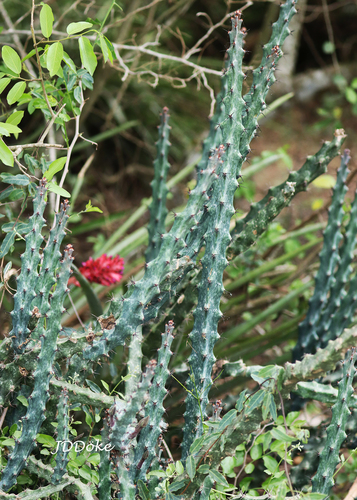
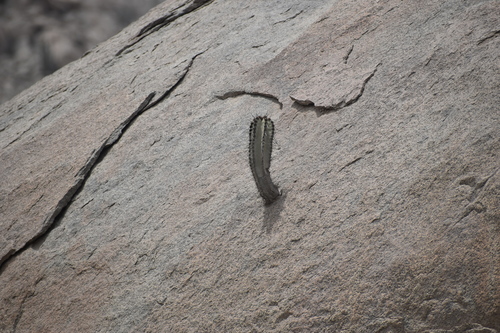
iNaturalist· cc-by-nc
(c) jefferson_uemmm, some rights reserved (CC BY-NC)
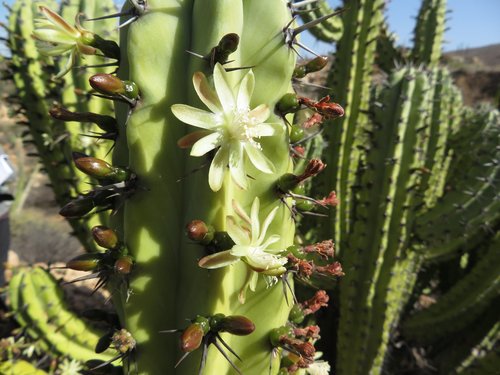
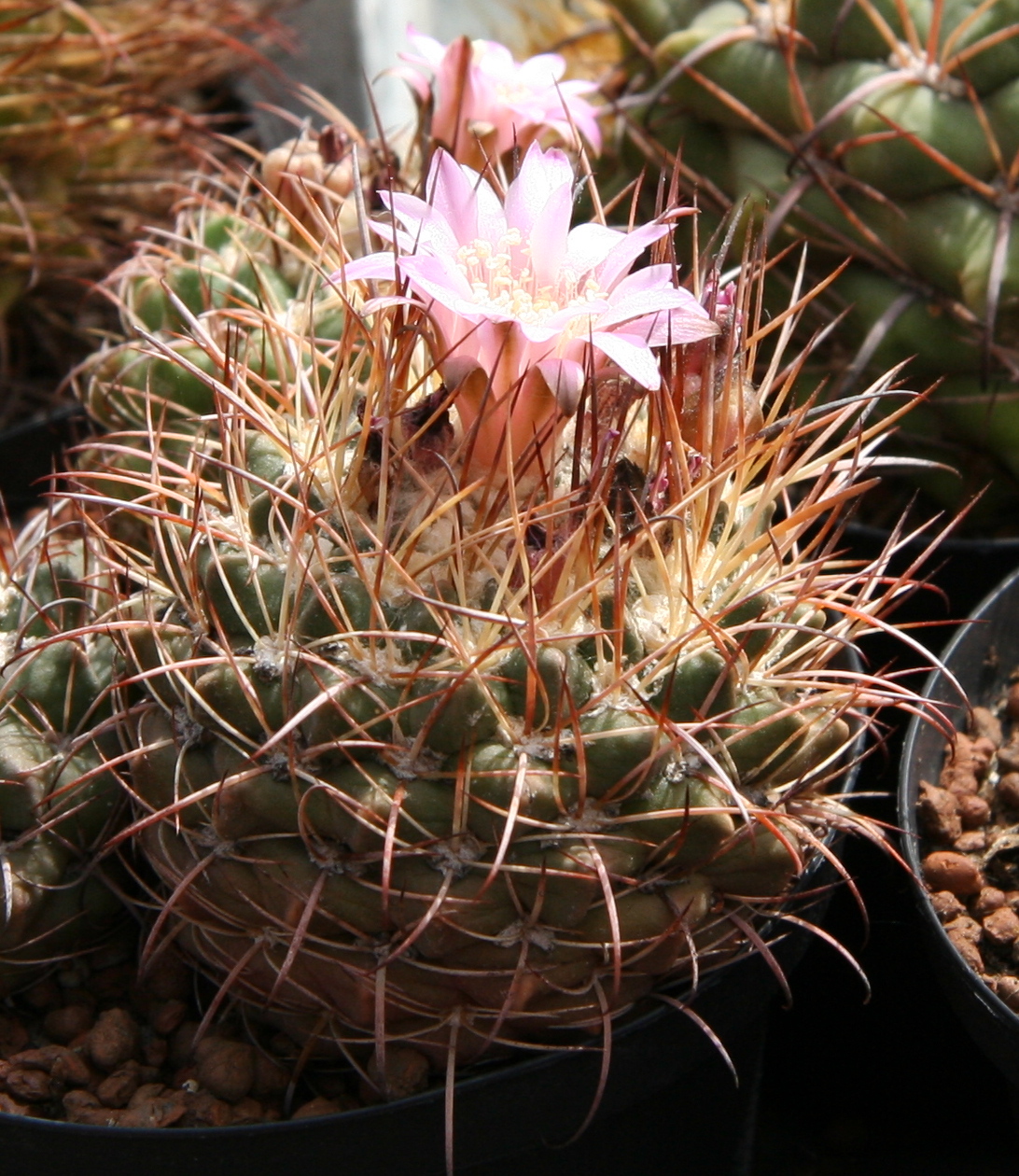
iNaturalist· cc-by-nc
(c) jefferson_uemmm, some rights reserved (CC BY-NC)
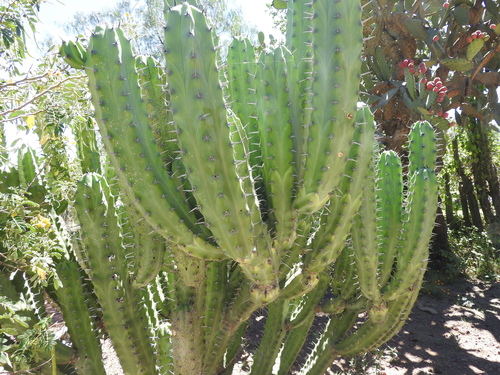
iNaturalist· cc-by-nc
(c) lesliesolis2710, some rights reserved (CC BY-NC)
Description
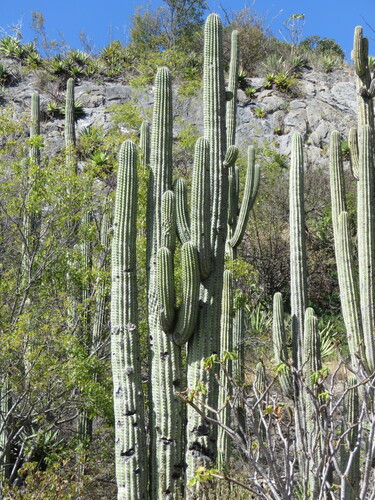
A cactus. It is unbranched and has spines. The flowers are medium sized and tube shaped. They have red and yellow petals. The fruit is a round berry. It has fleshy pulp. Now Borzicactus sepium
Edible Uses
The fleshy pulp of the fruit is eaten fresh.
Traditional Uses
The pulp of the fruit is eaten.
This uses section is brief — help expand it
Distribution
It is a tropical plant. In Ecuador it grows between 1,300-3,200 m above sea level.
Where It Grows
Andes, Colombia, Ecuador, Peru, South America,
Synonyms
Borzicactus aequatorialis Backeb.Borzicactus morleyanus Britton & RoseBorzicactus sepium (Kunth) Britton & RoseCactus sepium KunthCereus chotaensis (Weber) VaupelCereus japoianus Backeb.Cleistocactus chotaensis A. WeberEchinocactus weberbaueri VaupelLoxanthocereus jajoianus (Backeb.) Backeb.Matucana weberbaueri (Vaupel) Backeb.
Also Known As
Muyusa
References (4)
- Kermath, B. M., et al, 2014, Food Plants in the Americas: A survey of the domesticated, cultivated and wild plants used for Human food in North, Central and South America and the Caribbean. On line draft. p 242
- Martin, F. W., et al, 1987, Perennial Edible Fruits of the Tropics. USDA Handbook 642 p 84 (As Borzicactus sepium)
- Quintana, C. M., 2010, Wild Plants in the Dry Valleys Around Quito Ecuador. An Illustrated Guide. Publicationes del Harbario, QCA p 75 (As var. ventimigliae)
- Roa, J. A. G. & Boada, D. S. G., 2018, Fundación para el Fortalecimiento de la Fruticultura y Plantas Alimenticias no Convencionales en Colombia.