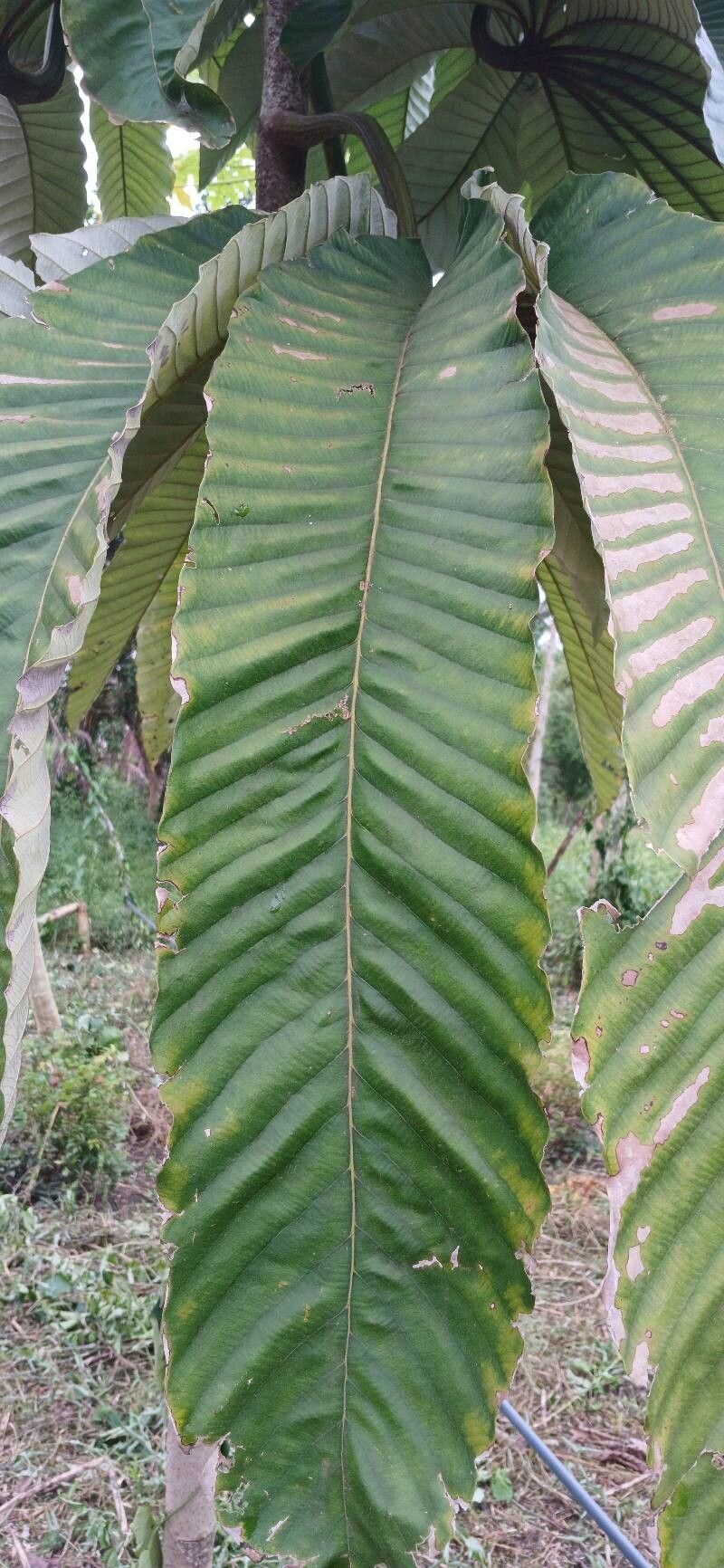
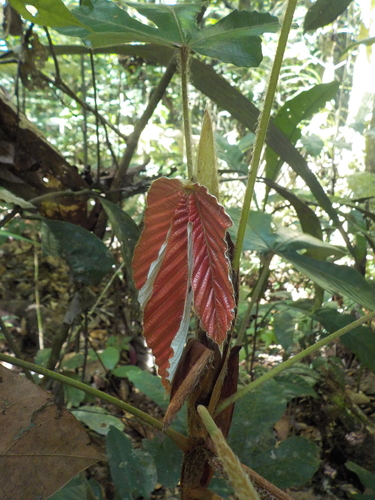
Urtica dioica subsp. holosericea
(Nutt.) Thorne
Stinging nettle, California nettle
iNaturalist· cc-by-nc
(c) V.S. Volkotrub, some rights reserved (CC BY-NC), uploaded by V.S. Volkotrub
iNaturalist· cc-by-nc
(c) Ольга Курякова, some rights reserved (CC BY-NC), uploaded by Ольга Курякова
iNaturalist· cc0
no rights reserved, uploaded by georgiasteel
Summary
Source: WikipediaUrtica dioica, often known as common nettle, burn nettle, stinging nettle, nettle leaf, or just a nettle or stinger, is a herbaceous perennial flowering plant in the family Urticaceae. Originally native to Europe, much of temperate Asia and western North Africa, it is now found worldwide. The species is divided into six subspecies, five of which have many hollow stinging hairs called trichomes on the leaves and stems, which act like hypodermic needles, injecting histamine and other chemicals that produce a stinging sensation upon contact ("contact urticaria", a form of contact dermatitis). The plant has a long history of use as a source for traditional medicine, food, tea, and textile raw material in ancient (such as Saxon) and modern societies.
Description
A herb.
This description is brief — help expand it
Edible Uses
U. dioica has a flavour similar to spinach when cooked. Young plants are harvested by many Native American communities and are cooked and eaten in spring when other food plants are scarce. Soaking stinging nettles in water or cooking removes the stinging chemicals from the plant, which allows them to be handled and eaten without injury. After the stinging nettle enters its flowering and seed-setting stages, the leaves develop gritty particles called cystoliths. Many sources claim consumption of these can irritate the kidneys and urinary tract, but there is no medical evidence to support this claim. Cystoliths are made of calcium carbonate, and will not dissolve when boiled. Leaves harvested post-flowering must have their cystoliths broken down by acid, as in the fermentation process. In its peak season, nettle contains up to 25% protein, dry weight, which is high for a leafy green vegetable. The leaves are also dried and may then be used to make a herbal tea, as can also be done with the nettle's flowers. Nettles can be used in a variety of recipes, such as polenta, pesto, and purée. Nettle soup is a common use of the plant, particularly in Northern and Eastern Europe. Nettles are sometimes used in cheesemaking, such as for Cornish Yarg and as a flavouring in varieties of Gouda. Nettles are used in Albania, Montenegro, Serbia, North Macedonia and Bosnia and Herzegovina as part of the dough filling for the börek pastry. The top baby leaves are selected and simmered, and then mixed with other ingredients such as herbs and rice, before being used as a filling between dough layers. Similarly, in Greece the tender leaves are often used, after simmering, as a filling for hortopita, which is similar to spanakopita, but with wild greens rather than spinach for filling. Young nettles can also be used to make an alcoholic drink.
Traditional Uses
The leaves are boiled and eaten.
This uses section is brief — help expand it
Medicinal Uses
As Old English stiðe, nettle is one of the nine plants invoked in the pagan Anglo-Saxon Nine Herbs Charm, recorded in 10th-century traditional medicine. Nettle was believed to be a galactagogue – a substance that promotes lactation. Urtication, or flogging with nettles, is the process of deliberately applying stinging nettles to the skin to provoke inflammation. An agent thus used was considered to be a rubefacient (something that causes redness), used as a folk remedy for treating rheumatism. A study undertaken in 2000 showed that nettles were an effective therapy in relieving the pain of arthritis.
Distribution
It is a temperate plant.
Where It Grows
North America, USA,
Synonyms
References (2)
- Kermath, B. M., et al, 2014, Food Plants in the Americas: A survey of the domesticated, cultivated and wild plants used for Human food in North, Central and South America and the Caribbean. On line draft. p 889
- Moerman, D. F., 2010, Native American Ethnobotany. Timber Press. p 581