Carya glabra var. odorata
(Marshall) Little.
Sweet pignut, Red hickory
iNaturalist· cc-by-nc
(c) ptibble, some rights reserved (CC BY-NC)
iNaturalist· cc-by-nc
(c) ptibble, some rights reserved (CC BY-NC)
iNaturalist· cc-by-nc
(c) ptibble, some rights reserved (CC BY-NC)
Summary
Source: WikipediaCarya glabra, the pignut hickory, is a common, but not abundant species of hickory in the oak-hickory forest association in the Eastern United States and Canada. Other common names are pignut, sweet pignut, coast pignut hickory, smoothbark hickory, swamp hickory, and broom hickory. The pear-shaped nut ripens in September and October, has a sweet maple like smell, and is an important part of the diet of many wild animals. The wood is used for a variety of products, including fuel for home heating. It has pinnately compound leaves that turn a golden yellow in the fall.
Description
A tree. It grows 21 m high and spreads 9 m wide. The young shoots are downy. The leaves have 7 leaflets. The end leaflet is the largest and is 12 cm long. The fruit split at the base when ripe. The kernels are small and can be bitter.
Edible Uses
The nuts and seeds are eaten; kernels can be extracted from the fruit though they are small and may be bitter.
Distribution
It is a temperate plant. It suits hardiness zones 6-9.
Where It Grows
Australia, Canada, North America, USA,
Notes
There are about 14-25 Carya species.
Synonyms
References (10)
- Beckstrom-Sternberg, Stephen M., and James A. Duke. "The Foodplant Database." http://probe.nalusda.gov:8300/cgi-bin/browse/foodplantdb.(ACEDB version 4.0 - data version July 1994) (As Hicoria microcarpa)
- Bircher, A. G. & Bircher, W. H., 2000, Encyclopedia of Fruit Trees and Edible Flowering Plants in Egypt and the Subtropics. AUC Press. p 87
- Cundall, P., (ed.), 2004, Gardening Australia: flora: the gardener's bible. ABC Books. p 335
- Glowinski, L., 1999, The Complete Book of Fruit Growing in Australia. Lothian. p 106
- Hedrick, U.P., 1919, (Ed.), Sturtevant's edible plants of the world. p 171 (As Carya microcarpa)
Show all 10 references Hide references
- Krochmal, A. & Krochmal, C., 1982, Uncultivated Nuts of The United States. United States Department of Agriculture Forest Service. p 46 (As Carya ovalis)
- Plants for a Future database, The Field, Penpol, Lostwithiel, Cornwall, PL22 0NG, UK. http://www.scs.leeds.ac.uk/pfaf/
- Lyle, S., 2006, Discovering fruit and nuts. Land Links. p 112
- Trees & shrubs 2:207. 1913
- Wickens, G.E., 1995, Edible Nuts. FAO Non-wood forest products. FAO, Rome. p 134
More from Juglandaceae
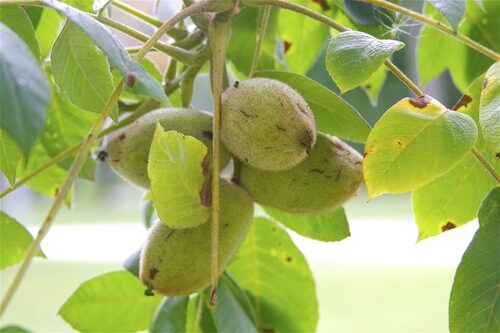
Juglans cinerea
Butternut - White Walnut, Butternut
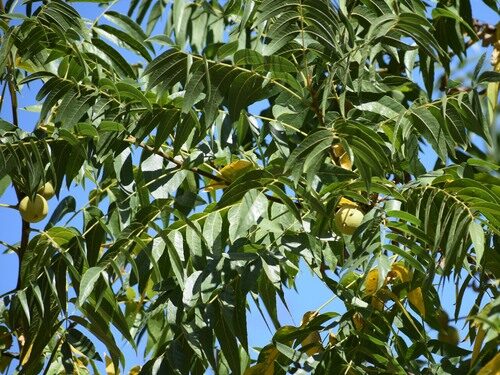
Juglans hindsii
Hind's Black Walnut, Northern California walnut, Paradox hybrid walnut
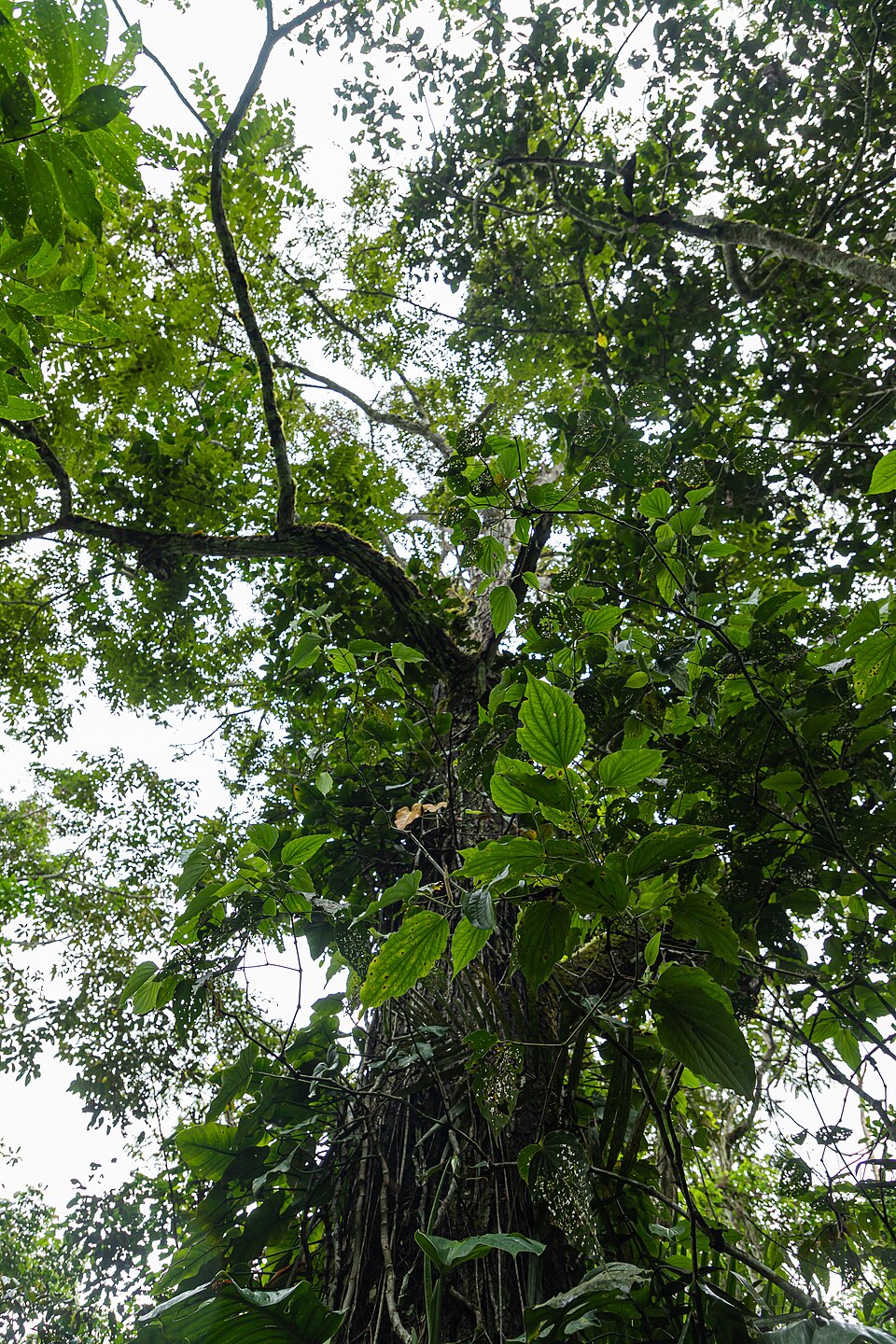
Juglans honorei
Ecuador walnut
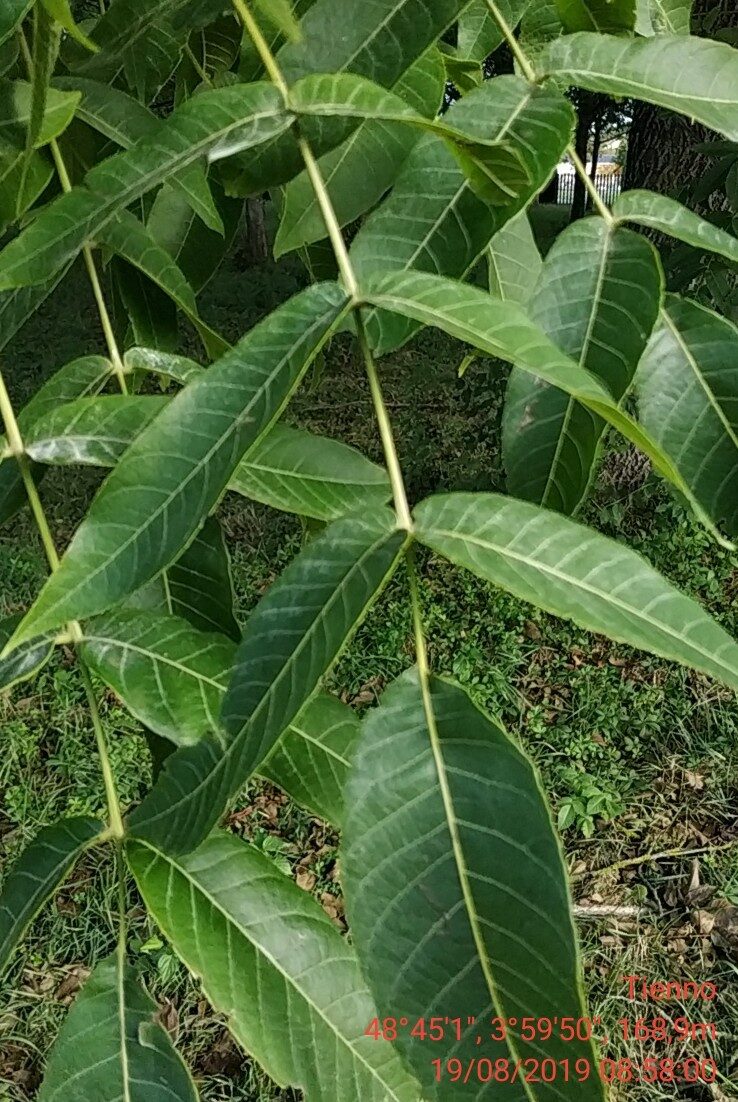
Juglans intermedia
Hind's Black Walnut, Northern California walnut, Paradox hybrid walnuH
Juglans major - (Torr.)Heller.
Arizona Walnut
Juglans mandschurica
Manchurian Walnut