Eleocharis quinqueflora
(Hartmann) O. Schwarz
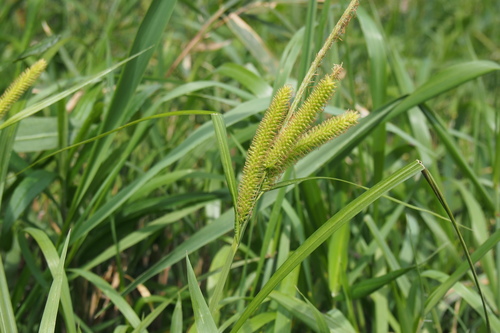
iNaturalist· cc-by-nc
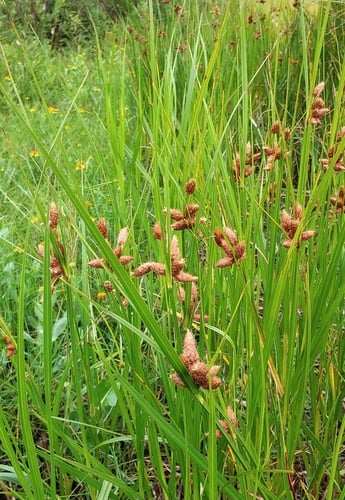
(c) anna_efimova, some rights reserved (CC BY-NC), uploaded by anna_efimova
iNaturalist· cc-by-nc
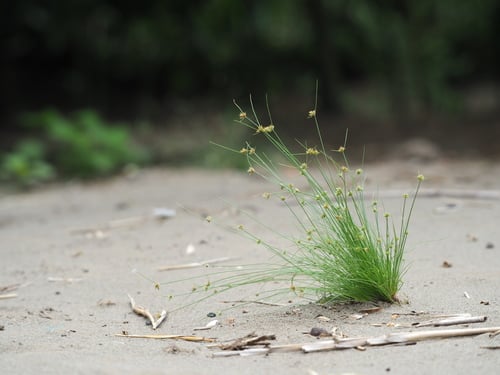
(c) anna_efimova, some rights reserved (CC BY-NC), uploaded by anna_efimova
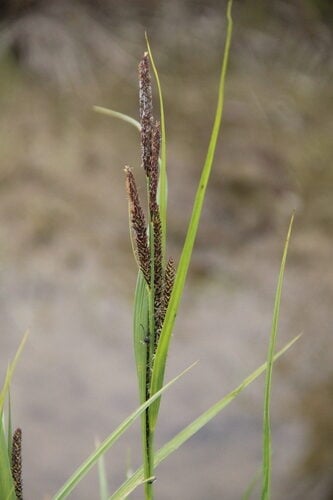
iNaturalist· cc-by-nc
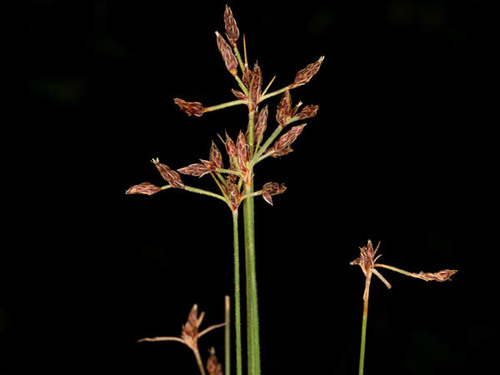
(c) tobi123, some rights reserved (CC BY-NC), uploaded by tobi123
Summary
Source: WikipediaEleocharis quinqueflora is a species of spikesedge known by the common names fewflower spikerush and few-flowered spike-rush. It is widespread across Europe, North Africa, northern Asia (Siberia, China, Kazakhstan, Himalayas, etc.), and North America (Canada, Greenland, northern and western US). There are also isolated populations in Argentina and Chile. Eleocharis quinqueflorais a resident of wet meadows, bogs, hot springs, and other moist places. This is a rhizomatous perennial approaching a maximum height of 40 centimeters. The thin, flattened stems are surrounded by papery reddish to green leaf sheaths and topped with dark inflorescences. The spikelet is lance-shaped to oval and less than a centimeter long. It contains two to seven flowers, each of which is covered with a brown or black bract. The fruit is a yellow-brown achene two or three millimeters long.
Description
A perennial herb in the sedge family (Cyperaceae) found in temperate South American mountains between 2,200–4,000 m elevation in Argentina.
This description is brief — help expand it
Edible Uses
The tubers are eaten.
Traditional Uses
The tubers are eaten.
This uses section is brief — help expand it
Distribution
It is a temperate plant. In Argentina it grows between 2,200-4,000 m above sea level.
Where It Grows
Argentina, Asia, Central Asia, Chile, Luxembourg, Mongolia, North America, South America*, Tajikistan, USA,
Synonyms
References (2)
- Moerman, D. F., 2010, Native American Ethnobotany. Timber Press. p 523 (As Scirpus robustus/Scirpus campestris)
- Urgamal, M., Oyuntsetseg, B., Nyambayar, D. & Dulamsuren, Ch. 2014. Conspectus of the vascular plants of Mongolia. (Editors: Sanchir, Ch. & Jamsran, Ts.). Ulaanbaatar, Mongolia.