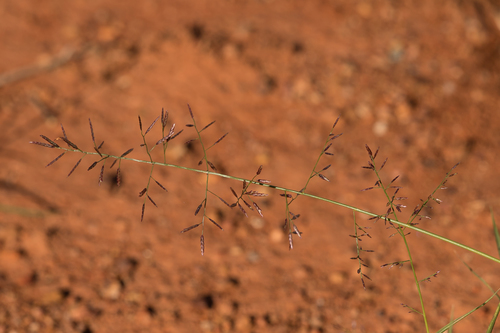
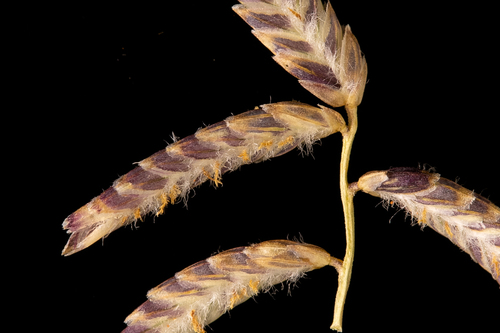
Saccharum narenga
(Nees ex Steud.) Hack.
iNaturalist· cc-by-nc
(c) 廖顯淳, some rights reserved (CC BY-NC), uploaded by 廖顯淳
iNaturalist· cc-by-nc
(c) lubukun, some rights reserved (CC BY-NC)
Description
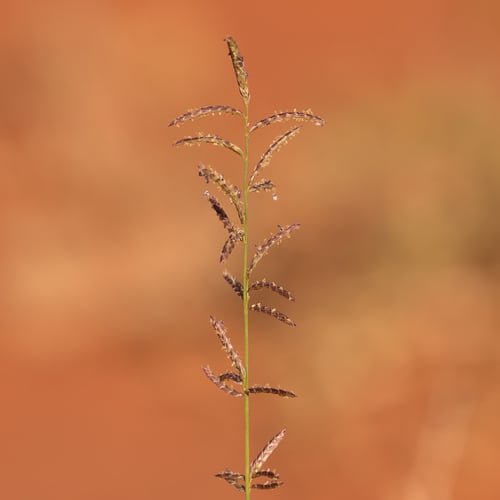
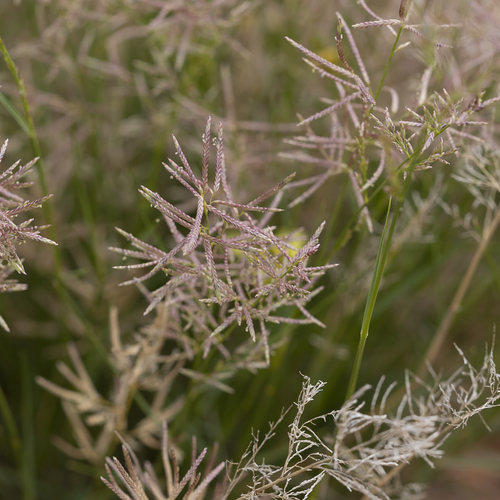
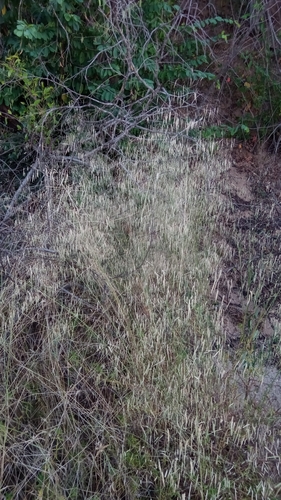
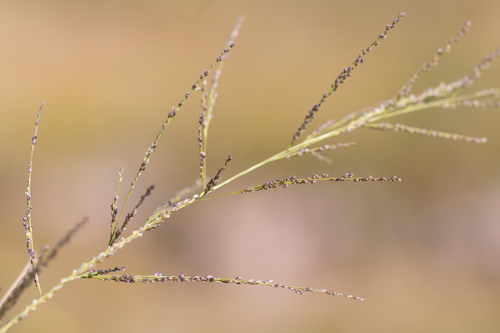
A tall grass. It has a short stout rhizome. It keeps growing from year to year. It grows 1-3 m tall. The stems are 5-8 mm across. The leaf blades are 1-1.5 m long by 6-20 mm wide. The flower panicle is narrowly oblong and 20-50 cm long.
Edible Uses
The flowers, when infected with a fungus, are roasted and crushed with molasses and rice and eaten.
Traditional Uses
The flowers (infected with a fungus) are roasted and crushed with molasses and rice and eaten.
This uses section is brief — help expand it
Distribution
It is a tropical and subtropical plant. It grows on open mountain slopes and dry grassy places. In Sichuan and Yunnan.
Where It Grows
Asia, Bangladesh, China, Himalayas, India, Indochina, Myanmar, Nepal, Pakistan, SE Asia, Taiwan, Thailand, Vietnam,
Synonyms
Also Known As
Singhut-kambong
References (1)
- Jain et al, 2011, Journal of Ethnobiology and Ethnomedicine 7:29 p 7 (As Narenga porphyrocoma)