Oenothera triloba
Nutt.
iNaturalist· cc-by-nc-sa
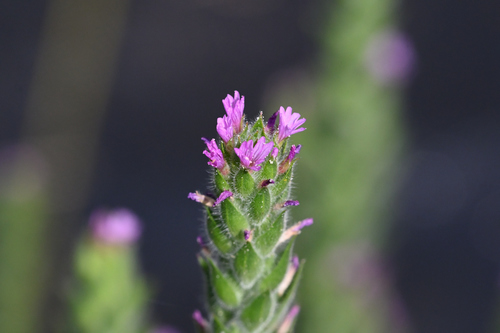
(c) Gravitywave, some rights reserved (CC BY-NC-SA)
iNaturalist· cc-by-nc
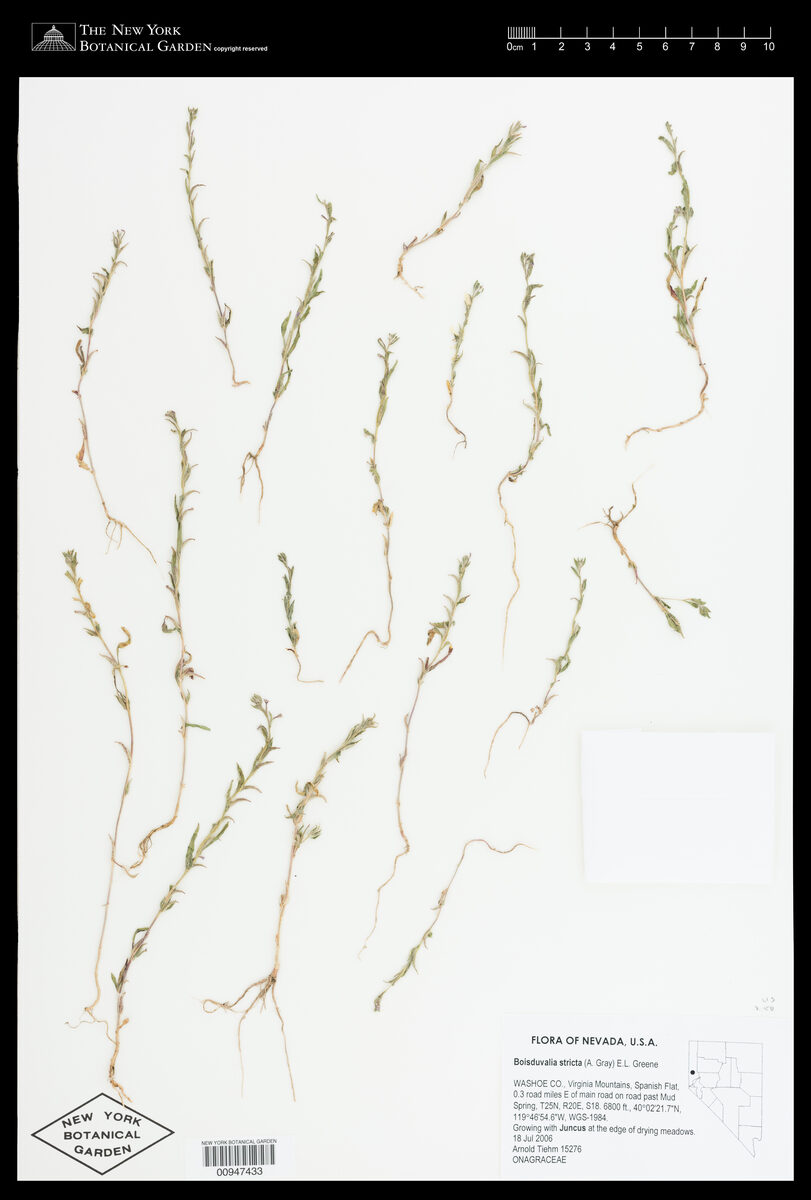
(c) cwhiting, some rights reserved (CC BY-NC), uploaded by cwhiting
iNaturalist· cc-by-nc
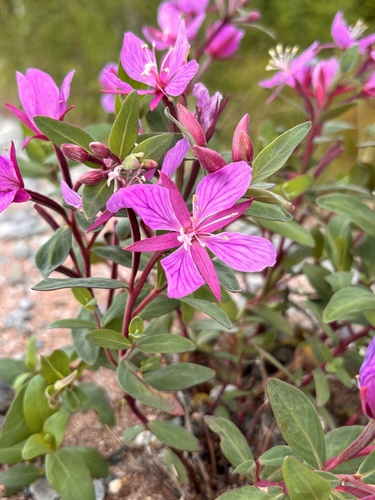
(c) Bob O'Kennon, some rights reserved (CC BY-NC), uploaded by Bob O'Kennon
Summary
Source: WikipediaOenothera triloba, with common names stemless evening primrose and sessile evening primrose is a flowering plant in the primrose family. It is native to North America, where it is primarily found in northern Mexico and in the south-central United States. It is found in dry, open areas such as glades, prairies, and sometimes even lawns. It appears to respond positively to soil disturbance. It is a winter annual that produces large yellow flowers in the spring. The flowers open near sunset.
Description
A herb that takes 1 or 2 years to complete its life cycle. It has a stout taproot. The leaves are oval to sword shaped and 10-20 cm long. The flowers are in the axils of the leaves.
Edible Uses
Among the Zuni people, the plant is used as an ingredient of "schumaakwe cakes" and used externally for rheumatism and swelling. They also grind the roots and use them as food.
Traditional Uses
The roots are ground and used as food.
This uses section is brief — help expand it
Distribution
It is a temperate plant. It grows in dry woods and prairies.
Where It Grows
North America, USA,
Synonyms
References (1)
- Moerman, D. F., 2010, Native American Ethnobotany. Timber Press. p 362 (As Oenothera triloba)