Nolina bigelovii
(Torr.) S. Watson
Bottle palm, Beargrass
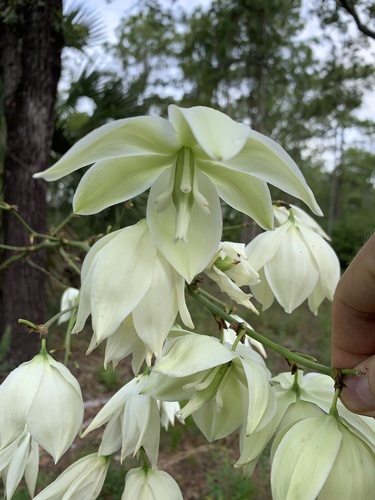
iNaturalist· cc-by-sa
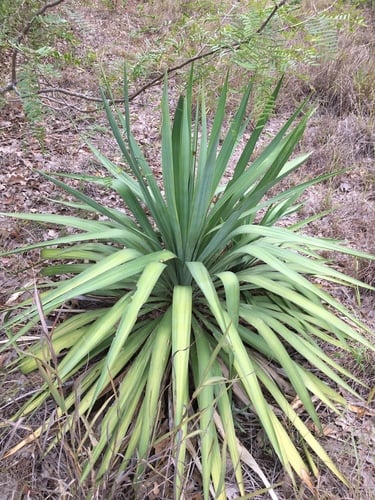
(c) Stan Shebs, some rights reserved (CC BY-SA)
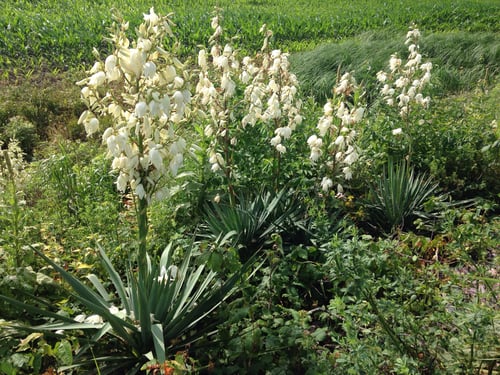
iNaturalist· cc-by-sa
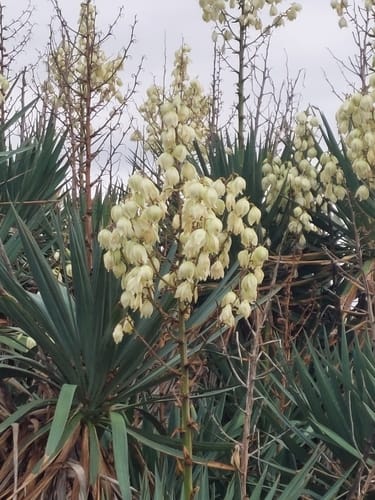
(c) Stan Shebs, some rights reserved (CC BY-SA)
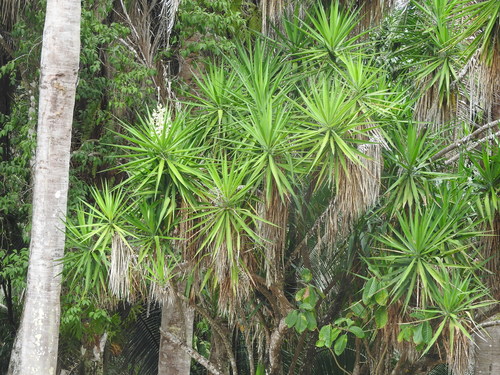
iNaturalist· cc-by
(c) Brian Reed from San Francisco, US, some rights reserved (CC BY)
Summary
Source: WikipediaNolina bigelovii (Bigelow's nolina or beargrass) is a flowering plant native to the Southwestern United States, California, and northwest Mexico. It grows in the driest desert areas and at elevations up to 1,500 m (4,900 ft) .
Description
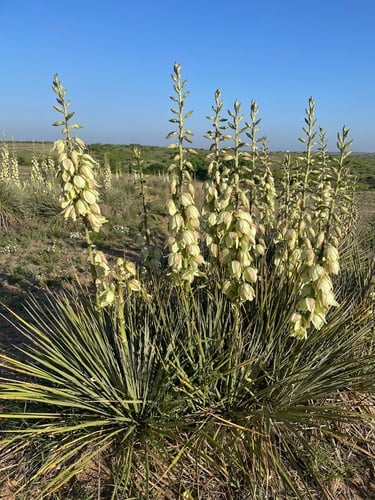
A woody shrub. It grows 2-5 m tall. The leaves are long and narrow. They are pale green and have a slightly rough edge. They are in rings of 150 leaves. The flowers are in an erect compound group. The are pale yellow. The fruit is a capsule.
Edible Uses
The stalks are roasted in a pit and eaten, and the flower shoots are also edible.
Traditional Uses
The stalks are roasted in a pit then eaten.
This uses section is brief — help expand it
Distribution
It is a subtropical plant or warm temperate plant. It grows in arid places. It grows in the lowlands and up to 600 m above sea level. It can be up to 1,500 m above sea level.
Where It Grows
Asia, Australia, Indonesia, Mexico*, North America, SE Asia, USA*,
Cultivation
Plants can be grown from seeds and cuttings from the bulb.
Synonyms
Also Known As
Palem botol, Pandan botol
References (4)
- Felger, R. S. 1980, Vegetation and Flora of the Gran Desierti, Sonora, Mexico. Desert Plants 2(2). Arizona-Sonora Desert Museum. p 9
- Moerman, D. F., 2010, Native American Ethnobotany. Timber Press. p 357
- Sukarya, D. G., (Ed.) 2013, 3,500 Plant Species of the Botanic Gardens of Indonesia. LIPI p 741, 1034
- World Checklist of Useful Plant Species 2020. Royal Botanic Gardens, Kew