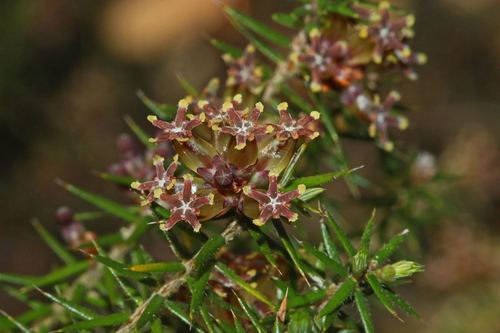
Ledum palustre subsp. decumbens
(Ait.) Hulten,
Marsh labrador tea
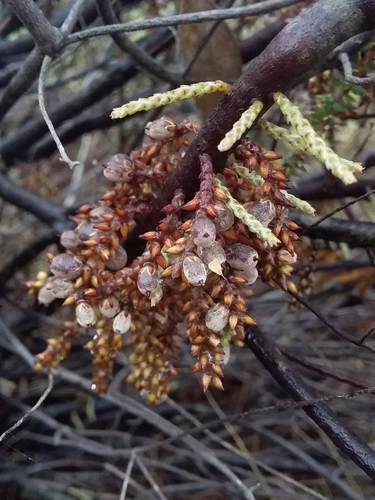
iNaturalist· cc-by-nc
(c) James Mickley, some rights reserved (CC BY-NC)
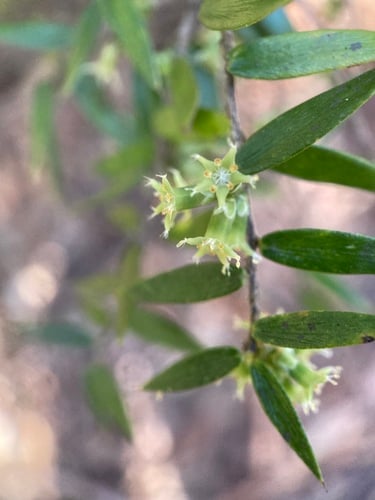
iNaturalist· cc-by-nc
(c) pfaucher, some rights reserved (CC BY-NC)
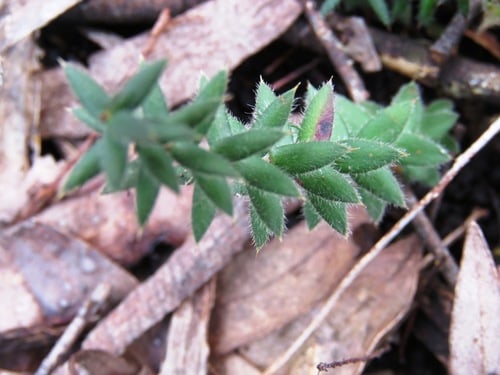
iNaturalist· cc-by-sa
(c) CatherineK, some rights reserved (CC BY-SA)
Description
A low woody shrub in the heather family found in cold temperate regions. The leaves are dried and used to make tea.
This description is brief — help expand it
Edible Uses
The leaf tips are dried and brewed as tea, providing flavoring.
Traditional Uses
The tips are added to tea to give flavour. The leaves are dried before being used as tea.
This uses section is brief — help expand it
Medicinal Uses
Rhododendron tomentosum is used in herbalism to make an herbal tea called "Labrador tea". However, no material benefit has been documented in any properly controlled study.
Distribution
It is a cold temperate plant.
Where It Grows
Alaska, Arctic, Greenland, Mongolia, North America, USA,
Synonyms
Also Known As
Ayuq, Bog tea, Hudson's bay tea
References (5)
- Ager, T. A. & Ager, L. P., 1980, Ethnobotany of the eskimos of Nelson Island, Alaska. Arctic Anthropology Vol 17. No. 1 pp 26-48
- Kermath, B. M., et al, 2014, Food Plants in the Americas: A survey of the domesticated, cultivated and wild plants used for Human food in North, Central and South America and the Caribbean. On line draft. p 476
- Moerman, D. F., 2010, Native American Ethnobotany. Timber Press. p 300
- Porsild, A.E., 1953, Edible Plants of the Arctic, Arctic 6:15-34, page 31
- Urgamal, M., Oyuntsetseg, B., Nyambayar, D. & Dulamsuren, Ch. 2014. Conspectus of the vascular plants of Mongolia. (Editors: Sanchir, Ch. & Jamsran, Ts.). Ulaanbaatar, Mongolia. “Admon“ Press. 334pp. (p. 79-90).