Elatostema involucratum
Franch. & Sav.
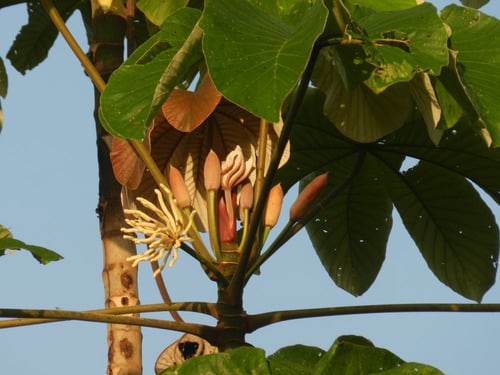
iNaturalist· cc-by-sa
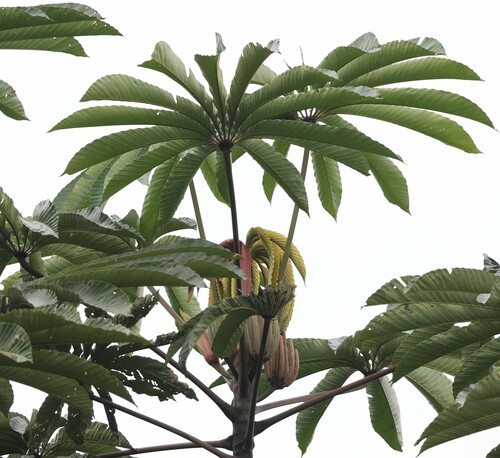
(c) harum.koh, some rights reserved (CC BY-SA), uploaded by harum.koh
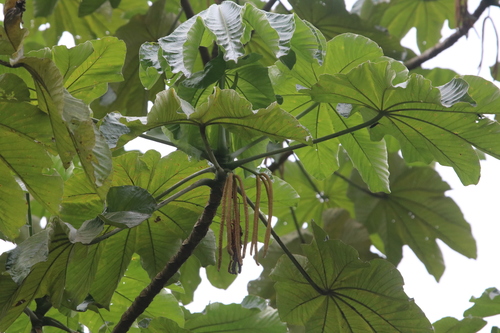
iNaturalist· cc-by-nc
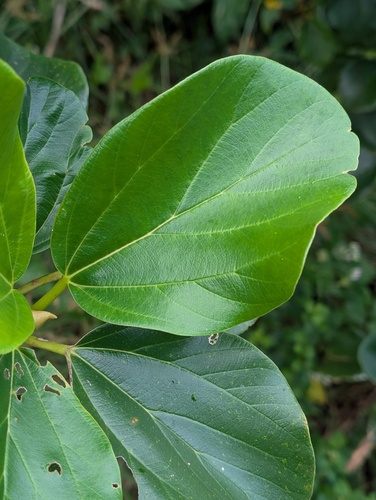
(c) smtkkk, some rights reserved (CC BY-NC)
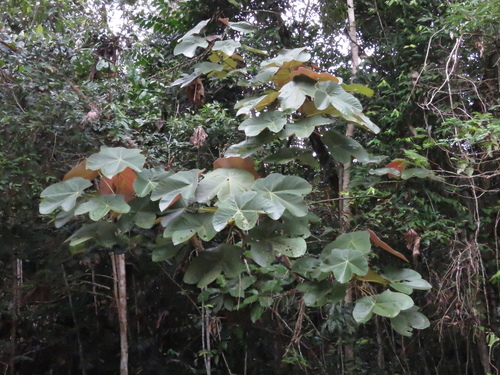
iNaturalist· cc-by
(c) Lek Khauv, some rights reserved (CC BY)
Description
A herb. It keeps growing from year to year. It grows 20-60 cm tall. The leaves are simple. It does not have stinging hairs. The leaves are obliquely oblong. They are 5-16 cm long by 3-5 cm wide. Male flowers are single and female flowers in groups of 30.
Edible Uses
The young stems and leaves are used as a potherb.
Traditional Uses
The young stem and leaves are used as a potherb.
This uses section is brief — help expand it
Medicinal Uses
Used in traditional medicine.
Distribution
It is a subtropical plant. It grows amongst rocks in valleys between 200-3,200 m above sea level. In Sichuan and Yunnan.
Where It Grows
Asia, China, Japan, Korea,
Notes
It is used in medicine.
Synonyms
Also Known As
Luo bu a bo
References (3)
- Chen, B. & Qiu, Z., Consumer's Attitudes towards Edible Wild Plants, Ishikawa Prefecture, Japan. p 23 www.hindawi.com/journals/ijfr/aip/872413.pdf (As Elatostema umbellata var. majus)
- Flora of China @ efloras.org Volume 5
- Luo, B., et al, 2019, Wild edible plants collected by Hani from terraced rice paddy agroecosystem in Honghe Prefecture, Yunnan, China. Journal of Ethnobiology and Ethnomedicine 15:56