Kostermanthus heteropetalus
(Scort. ex king) Prance
gbif· cc0
President and Fellows of Harvard College
gbif· cc0
President and Fellows of Harvard College
gbif· cc0
President and Fellows of Harvard College
Summary
Source: WikipediaKostermanthus heteropetalus is a tree in the family Chrysobalanaceae. The specific epithet heteropetalus is from the Greek meaning 'uneven or unequal petals'.
Description
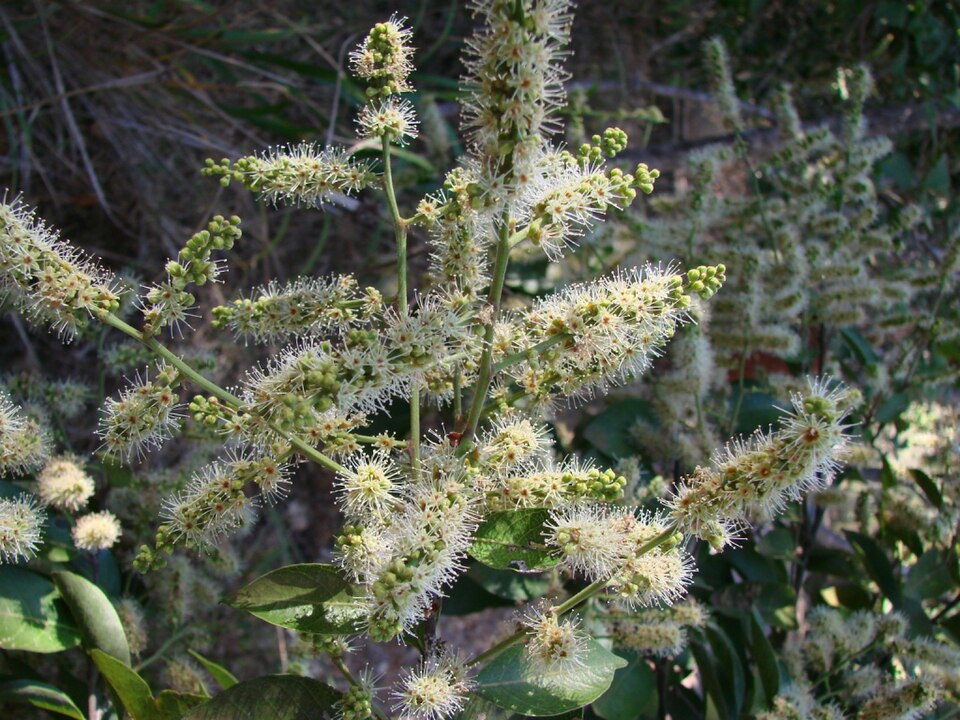
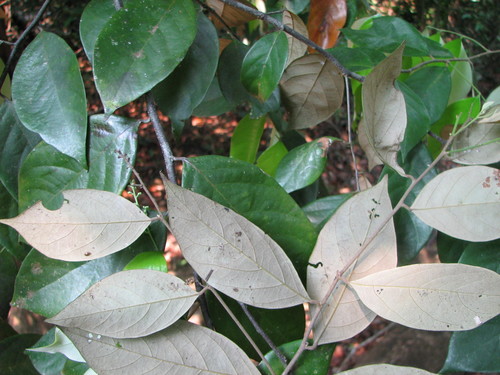
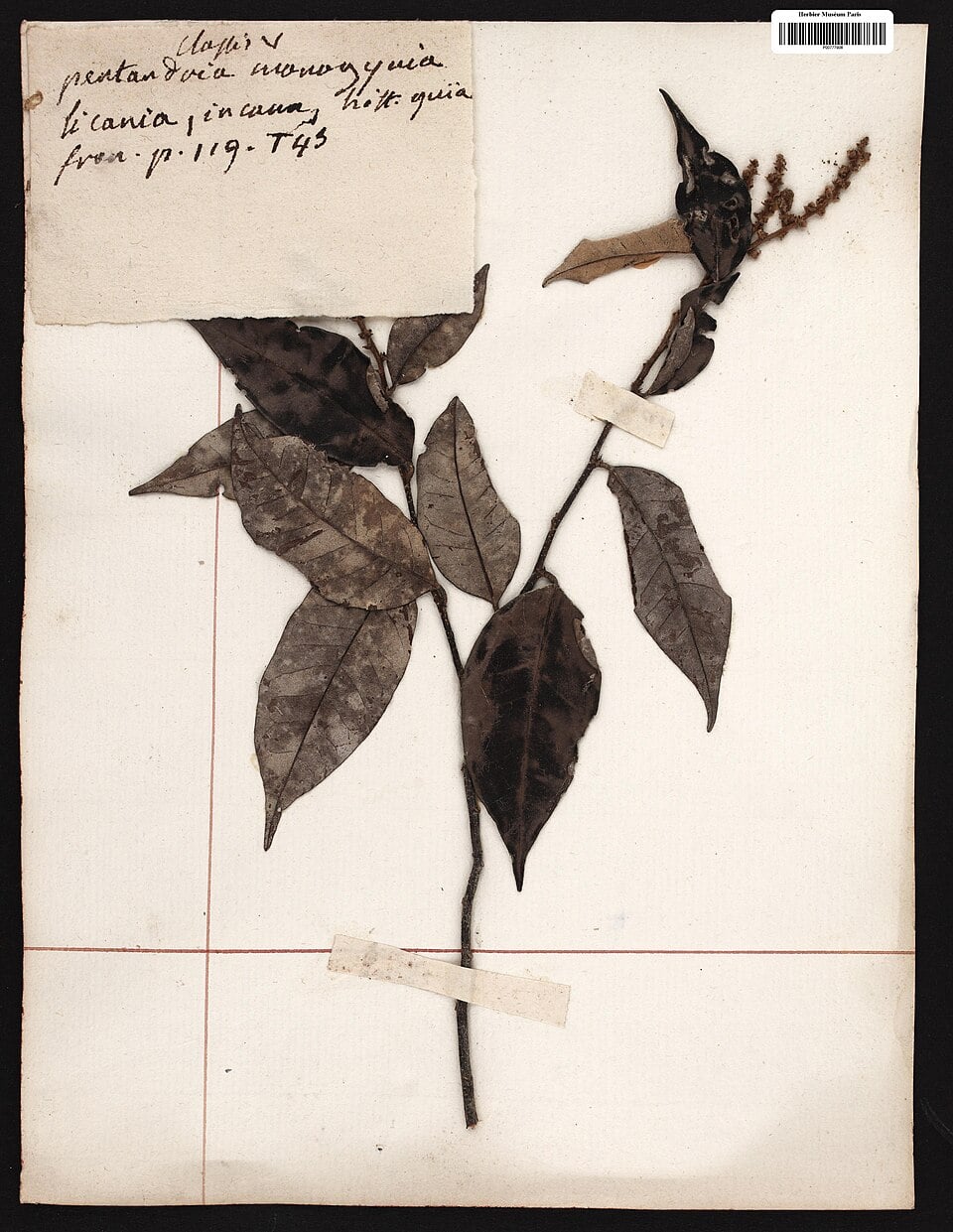
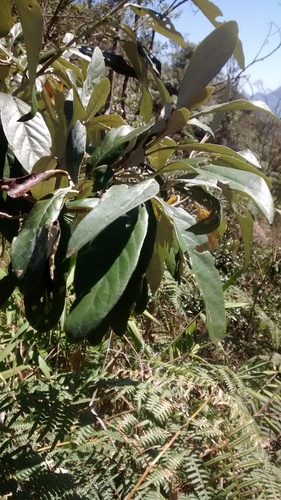
A tree. It grows 35 m tall. The trunk is 2 m across. It has small, low buttresses. The bark has small cracks. The leaves are narrowly oval and leathery. They are 5-20 cm long by 3-6 cm wide. They are wedge shaped or rounded at the base. They taper to a blunt tip. The leaves are smooth but with small hairs on the veins. The flowering stalks have few branches and are 10 cm long. The flowers are bell shaped at the base and the lobes are fleshy and curve back. The petals are white with pink tinges. The petals are unequal. The fruit are oval and 4 cm long by 3 cm wide. They have a thick hard outer shell. The seeds are 1.5 cm long by 3 cm wide.
Edible Uses
The fruit is eaten.
Distribution
It is a tropical plant. It grows in forests on sandy clay soils up to 500 m above sea level.
Where It Grows
Asia, Brunei, Indonesia, Malaysia, Philippines, SE Asia,
Notes
There are 2 Kostermanthus species.
Synonyms
Also Known As
Merbatu, Rasak batu
References (1)
- Soepadmo, E. and Wong, K. M., 1995, Tree Flora of Sabah and Sarawak. Forestry Malaysia. Volume One. p 161