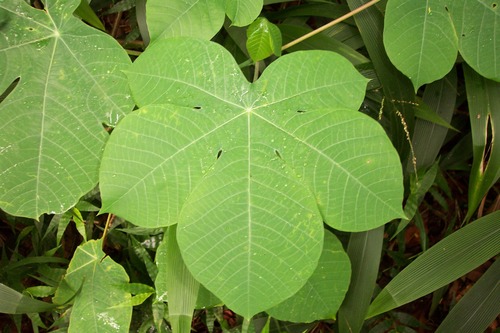
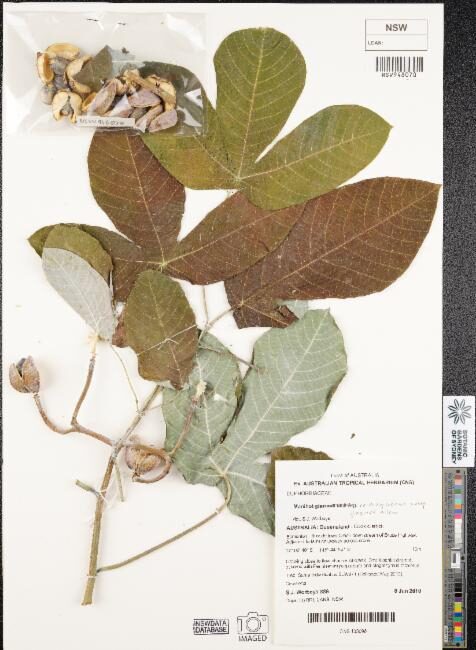
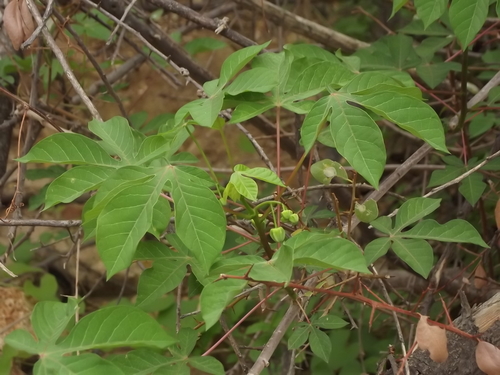
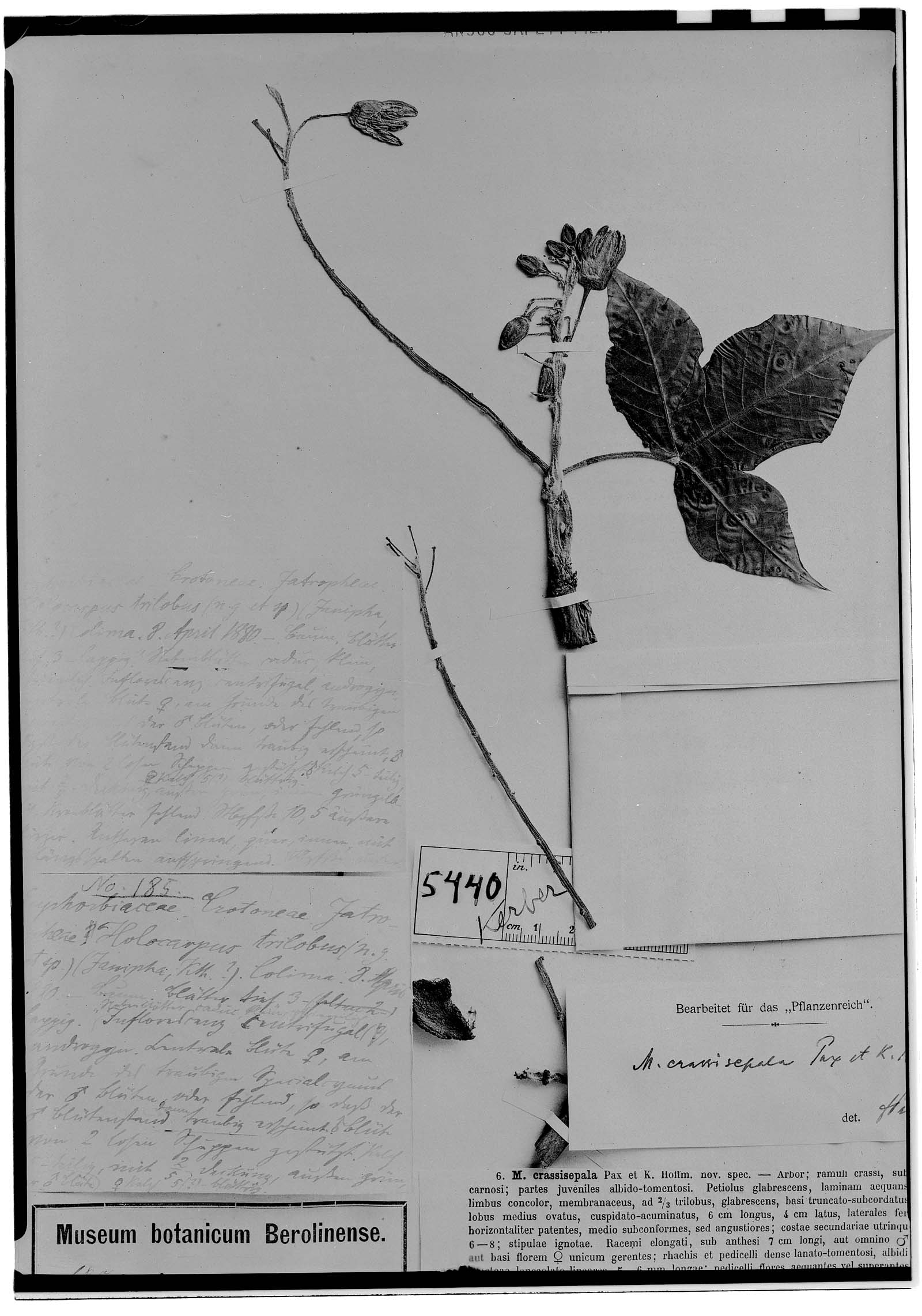
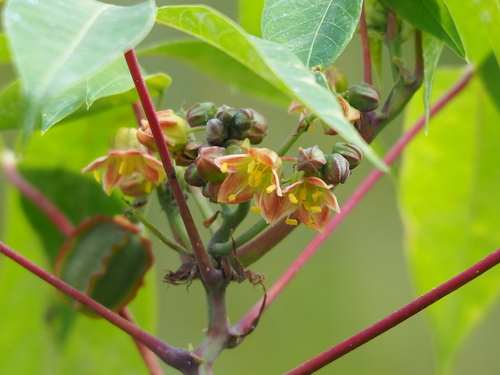
Excoecaria oppositifolia
Griff.
iNaturalist· cc-by-nc-sa
(c) Sutthikhun Phaengphongsai, some rights reserved (CC BY-NC-SA), uploaded by Sutthikhun Phaengphongsai
iNaturalist· cc-by
(c) T R Shankar Raman, some rights reserved (CC BY)
Summary
Source: WikipediaExcoecaria oppositifolia, an understory and evergreen tree species, belongs to the genus Excoecaria of the family Euphorbiaceae. It is found in the Western Ghats of India and Sri Lanka. Trees are 5 metres (16 ft) tall and leaves are simple and decussate in nature. Unisexual flowers are dioecious and inflorescence depends on the type of flower. Male flowers are axillary spikes and female flowers are axillary racemes.
Description
A small tree. It grows 5 m tall. The leaves are simple and opposite. The bases overlap. The leaf stalk is 1 cm long. The leaf blade is 15 cm long by 4 cm wide. The are broadly sword shaped. The edges have rounded teeth. The flowers are of separate sexes with both sexes on one plant. The fruit is a 3 lobed capsule.
Traditional Uses
Caution: It has toxic sap and the juice can cause abortions.
This uses section is brief — help expand it
Known Hazards
The sap is toxic and the juice can cause abortions.
Distribution
It is a tropical plant. It grows in evergreen forests between 500-2,100 m above sea level.
Where It Grows
Asia, India, Indochina, Myanmar, SE Asia, Sri Lanka, Thailand, Vietnam,
Synonyms
Also Known As
Kalaw-ga
References (1)
- Anderson, E. F., 1993, Plants and people of the Golden Triangle. Dioscorides Press. p 211