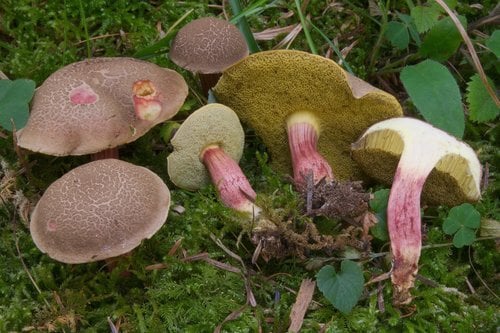
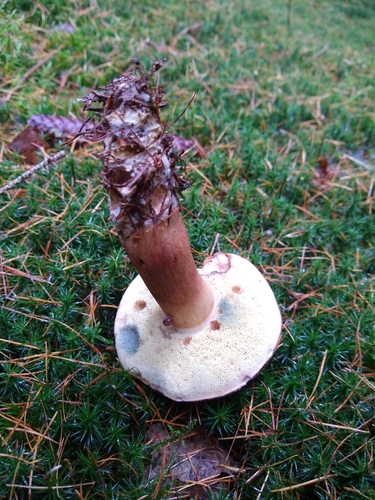
Leccinum holopus
(Rostk.) Watl.
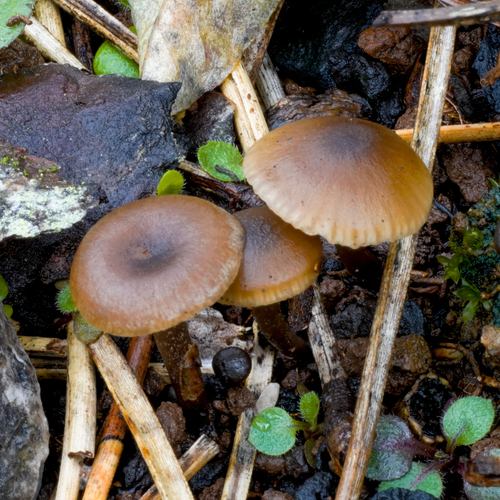
iNaturalist· cc-by
(c) Jason Hollinger, some rights reserved (CC BY)
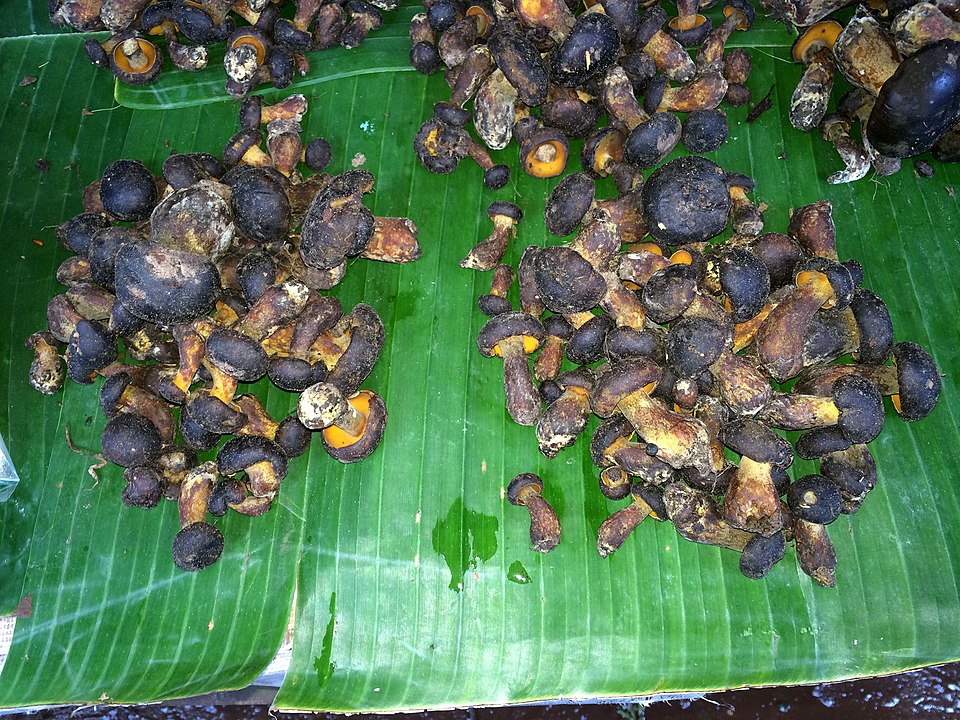
iNaturalist· cc-by
(c) Annie Weissman, some rights reserved (CC BY), uploaded by Annie Weissman
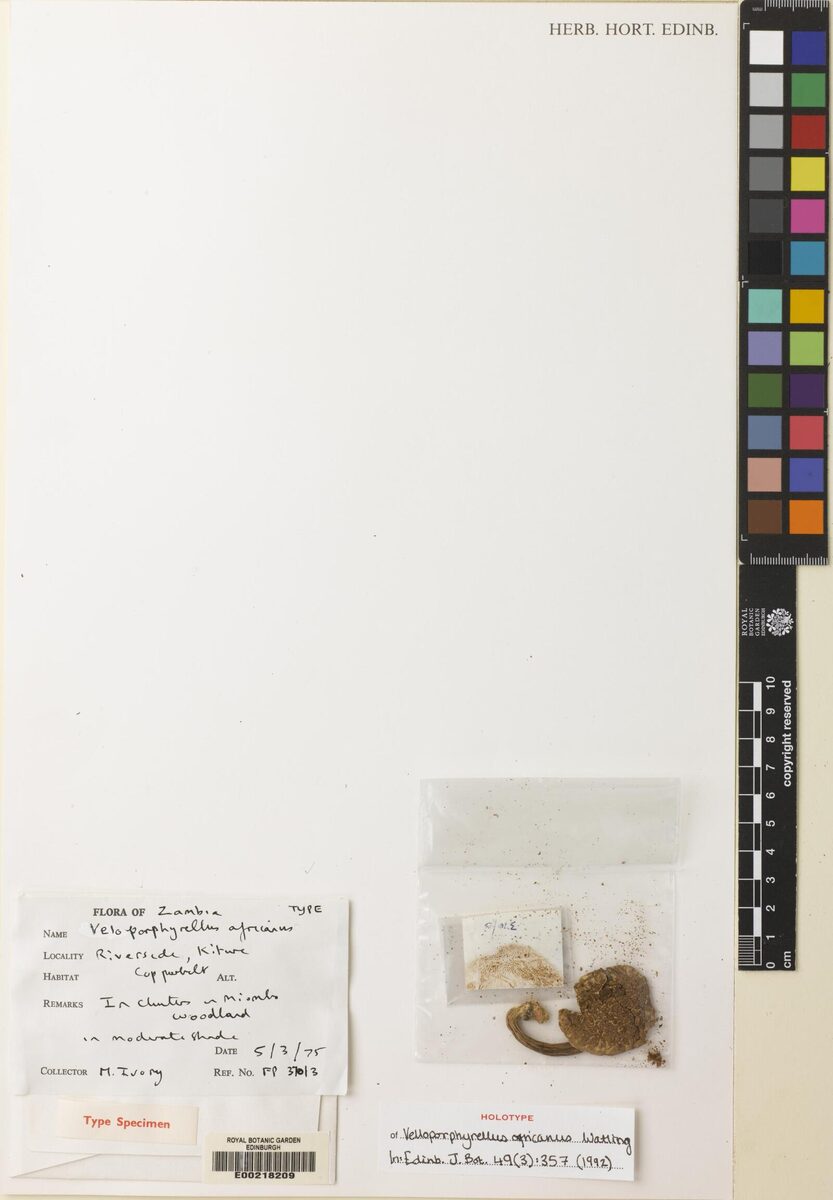
iNaturalist· cc-by
(c) Annie Weissman, some rights reserved (CC BY), uploaded by Annie Weissman
Summary
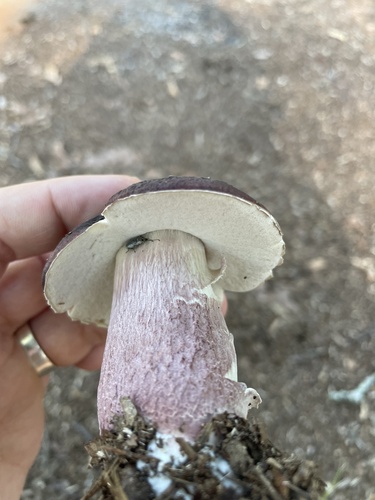
Source: WikipediaLeccinum holopus, commonly known as the white birch bolete, white bog bolete, or ghost bolete, is a species of bolete fungus in the family Boletaceae found in northern Asia, Europe, and northeastern North America. It associates with birch trees and is typically found in boggy or swampy areas, often growing among sphagnum moss. Fruitbodies (mushrooms) of L. holopus have convex caps measuring up to 10 cm (4 in) in diameter. Often pure white—especially in young fruitbodies—the caps sometimes become flushed with buff or brownish tints. The whitish surface of the stipe is covered with small, stiff, projecting scales (scabers) that become tan or darker in age. Some varieties of Leccinum holopus have been described that vary in cap color or staining reaction, but DNA evidence suggests that most are the same taxon. Although the fruitbodies are edible, opinions vary as to their culinary desirability.
Description
A temperate mushroom in the Boletaceae family, Leccinum holopus is an edible fungus.
This description is brief — help expand it
Edible Uses
The mushroom fruiting body is eaten.
Distribution
It is a temperate plant.
Where It Grows
Europe, Poland,
Synonyms
References (1)
- www.plantnames.unimelb.edu.au