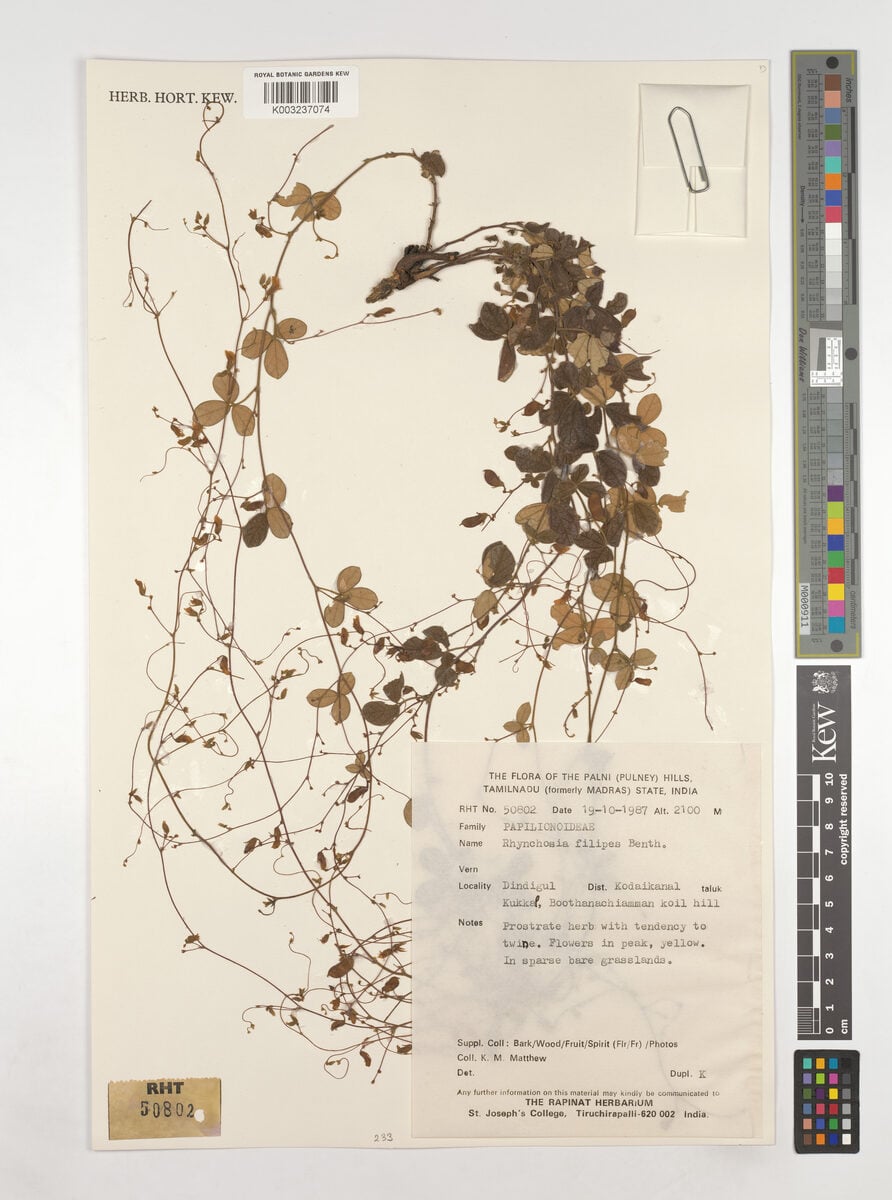
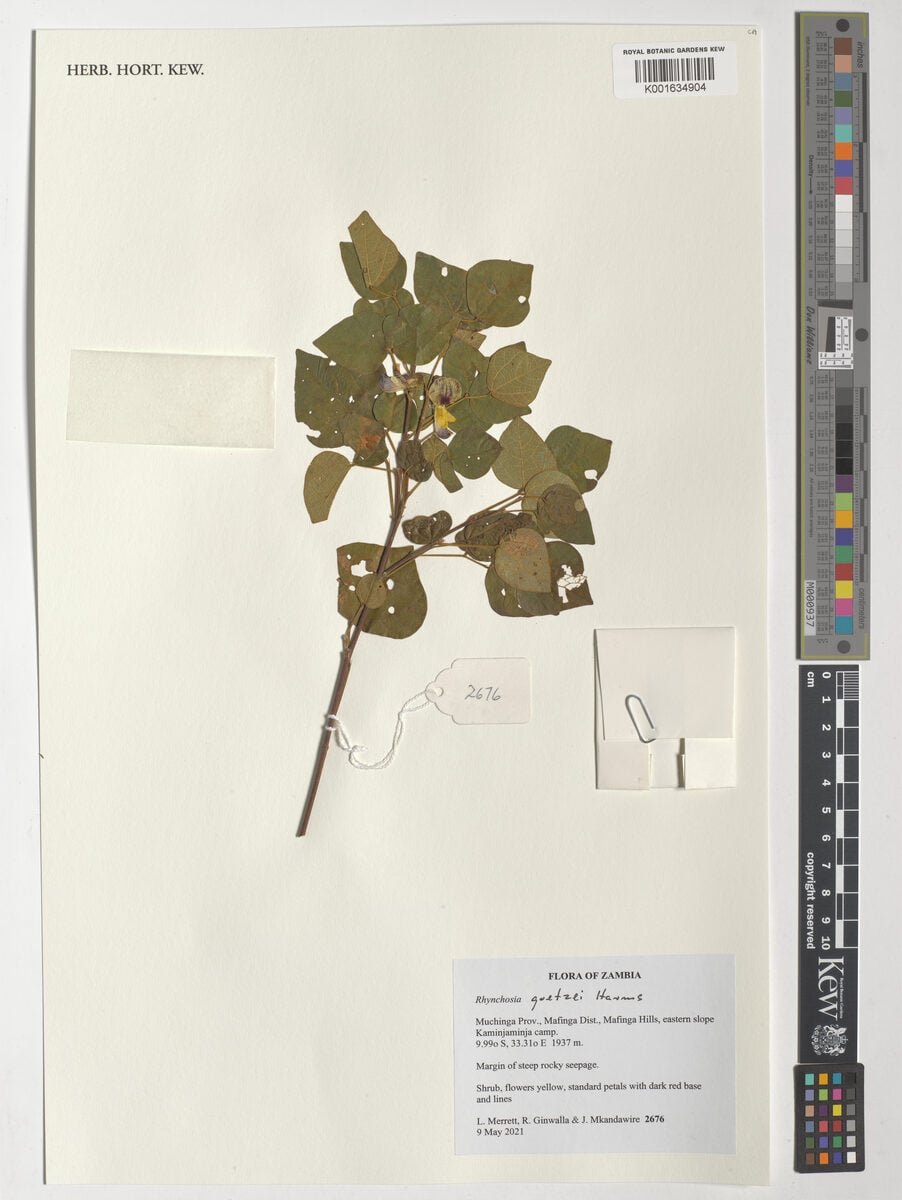
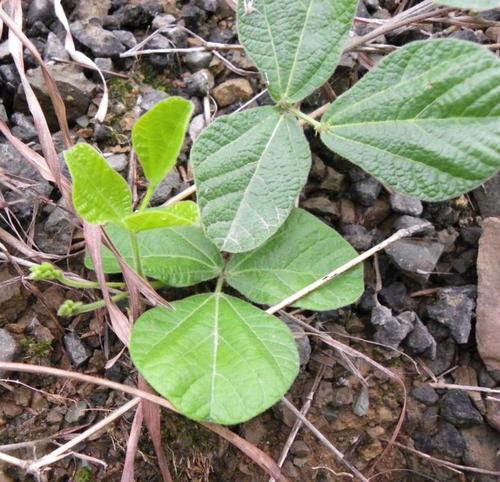
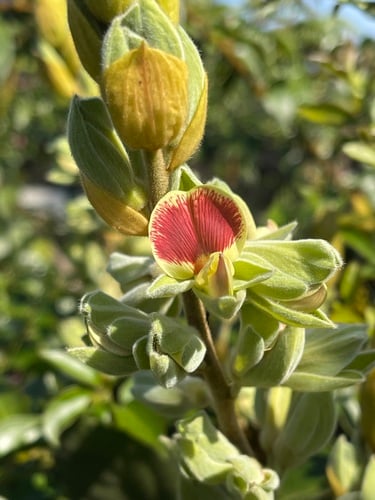
Vigna unguiculata subsp. dekindtiana
(L.) Walp., (Harms) Verdc.
Wild cowpea, Black eyed pea
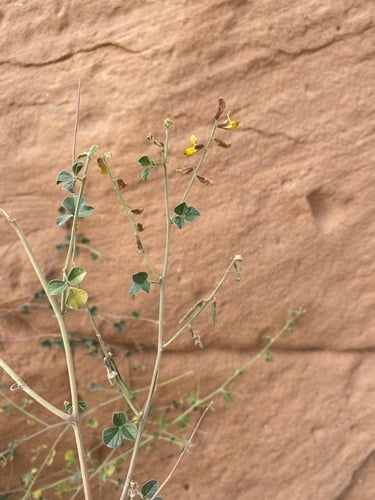
iNaturalist· cc-by-nc
(c) Craig Peter, some rights reserved (CC BY-NC), uploaded by Craig Peter
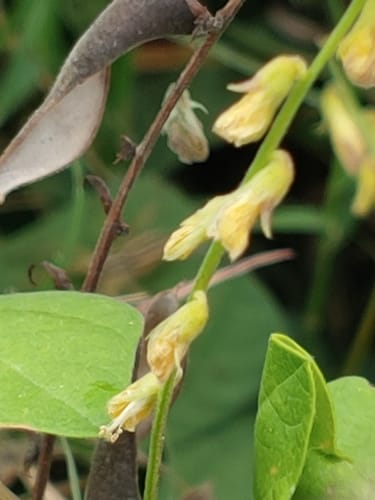
iNaturalist· cc-by-nc
(c) fhulum, some rights reserved (CC BY-NC)
iNaturalist· cc-by-nc
(c) fhulum, some rights reserved (CC BY-NC)
Description
A herb. It is a climber. It can grow each year from seeds or keep growing for a few years. It has a rootstock.
This description is brief — help expand it
Edible Uses
The seeds are eaten.
Distribution
It is a tropical plant. It grows between 1,100-1,900 m above sea level. It can grow in arid places.
Where It Grows
Africa, Angola, Botswana, Burundi, Cameroon, Central Africa, Congo, Côte d'Ivoire, East Africa, Equatorial Guinea, Ethiopia, Gambia, Ghana, Guinea, Guinée, Guinea-Bissau, Ivory Coast, Kenya, Liberia, Malawi, Mozambique, Namibia, Niger, Nigeria, Papua New Guinea, PNG, Sao Tome and Principe, Sierra Leone, Southern Africa, Sudan, Tanzania, Togo, Uganda, West Africa, Zambia, Zimbabwe,
Synonyms
Also Known As
Ibreig-el-faki, Tshinawana
References (3)
- Grivetti, L. E., 1980, Agricultural development: present and potential role of edible wild plants. Part 2: Sub-Saharan Africa, Report to the Department of State Agency for International Development. p 42
- Magwede, K., van Wyk, B.-E., & van Wyk, A. E., 2019, An inventory of Vhavenḓa useful plants. South African Journal of Botany 122 (2019) 57–89
- Royal Botanic Gardens, Kew (1999). Survey of Economic Plants for Arid and Semi-Arid Lands (SEPASAL) database. Published on the Internet; http://www.rbgkew.org.uk/ceb/sepasal/internet [Accessed 1st May 2011]