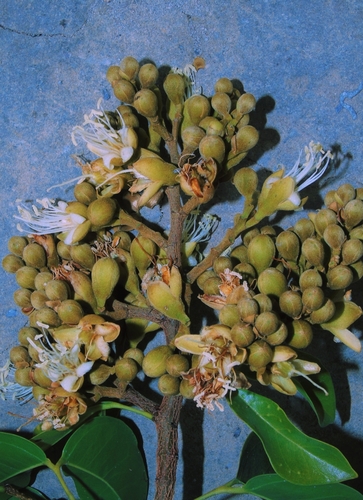
Neorautanenia amboensis
Schinz
iNaturalist· cc-by-nc
(c) Judy Flatt, some rights reserved (CC BY-NC)
iNaturalist· cc-by-nc
(c) Judy Flatt, some rights reserved (CC BY-NC)
iNaturalist· cc-by-nc
(c) Judy Flatt, some rights reserved (CC BY-NC)
Description
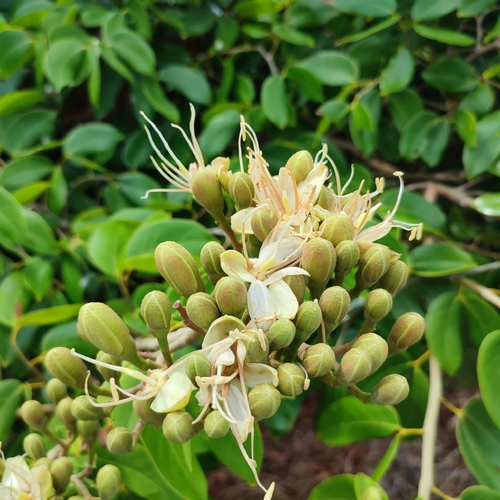
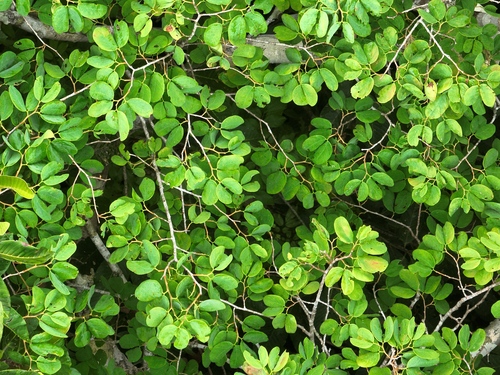
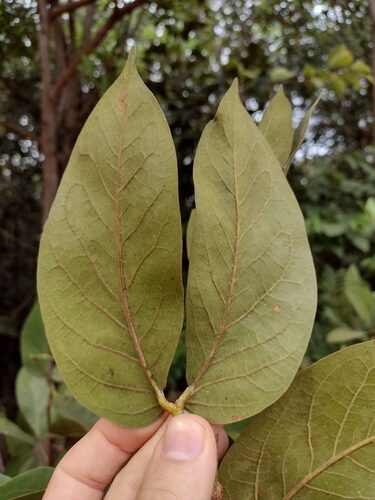
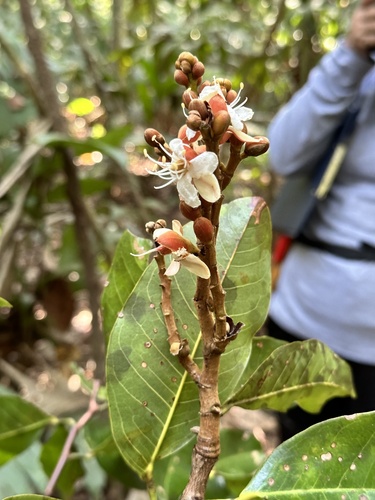
A herb or small shrub. It keeps growing from year to year. It puts up annual shoots. It can grow 3 m high. The leaves are hairy and have lobes. The flowers are bright blue. The fruit are large woody pods. It has very large underground tubers.
Edible Uses
The top of the tuber is cut off and the flesh pounded to make an emergency drink, traditionally used as a famine food.
Traditional Uses
The top of the tuber is cut off and the flesh pounded to give and emergency drink.
This uses section is brief — help expand it
Distribution
It is a subtropical plant. It grows in well-drained sandy soils. It can grow in desert. It grows between 300-1,525m above sea level. It can grow in arid places.
Where It Grows
Africa, East Africa, Mozambique, Namibia, South Africa, Southern Africa, Zimbabwe,
Other Information
It is a famine food or drink.
Notes
Neorautanenia amboensis in Zimbabwe probably an error for Neorautanenia brachypus.
Synonyms
Also Known As
Eona, Lekongkota, Phekuba
References (2)
- Royal Botanic Gardens, Kew (1999). Survey of Economic Plants for Arid and Semi-Arid Lands (SEPASAL) database. Published on the Internet; http://www.rbgkew.org.uk/ceb/sepasal/internet [Accessed 29th April 2011]
- World Checklist of Useful Plant Species 2020. Royal Botanic Gardens, Kew p 321