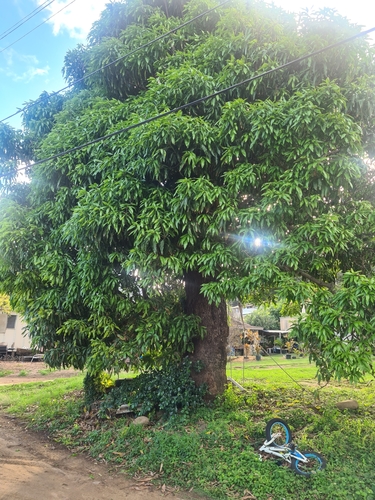
Searsia pentaphylla
(Jacq.) F. A. Barkley.
Tizra
iNaturalist· cc-by-nc
(c) Theodore, some rights reserved (CC BY-NC)
iNaturalist· cc-by-nc
(c) Theodore, some rights reserved (CC BY-NC)
iNaturalist· cc-by-nc
(c) Theodore, some rights reserved (CC BY-NC)
Summary
Source: WikipediaSearsia pentaphylla, the tazat tree in local Amazigh language, is a sumac shrub or small tree species in the genus Searsia found in North Africa, especially in Morocco and Algeria, the Levant, and Sicily.
Description
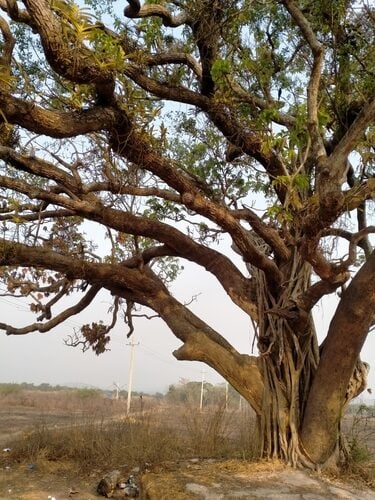
An erect shrub. It grows 3-7 m high. The stems are spiny. It can form dense thickets.
This description is brief — help expand it
Edible Uses
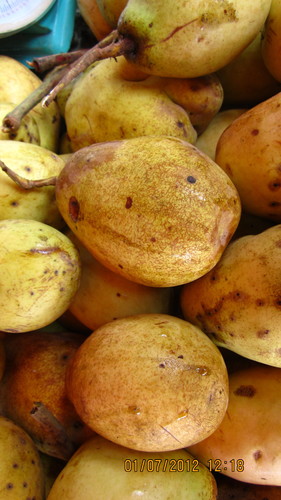
The fruit are eaten and sold in markets.
Distribution
It is a Mediterranean plant. It suits arid places. It can grow in arid places.
Where It Grows
Africa, Algeria, Mediterranean, Middle East, Morocco, North Africa, Palestine, Tunisia,
Production
It grows slowly. It can take 200 years to reach maturity.
Other Information
The fruit are sold in markets.
Synonyms
References (3)
- Moffett, R. O., 2007, Name changes in the Old World Rhus and recognition of Searsia (Anacardiaceae). Bothalia 37,2: 165-175 (2007)
- Royal Botanic Gardens, Kew (1999). Survey of Economic Plants for Arid and Semi-Arid Lands (SEPASAL) database. Published on the Internet; http://www.rbgkew.org.uk/ceb/sepasal/internet [Accessed 28th March 2011] (As Rhus pentaphylla)
- World Checklist of Useful Plant Species 2020. Royal Botanic Gardens, Kew