Caralluma europaea
(Gussone) N. E. Br.
iNaturalist· cc-by-nc
(c) Noam, some rights reserved (CC BY-NC)
iNaturalist· cc-by-nc
(c) Noam, some rights reserved (CC BY-NC)
iNaturalist· cc-by-nc
(c) Yuval, some rights reserved (CC BY-NC)
Description
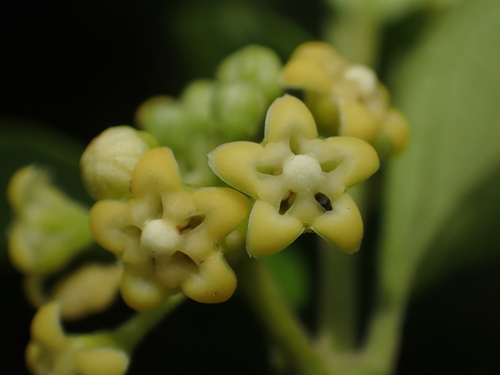
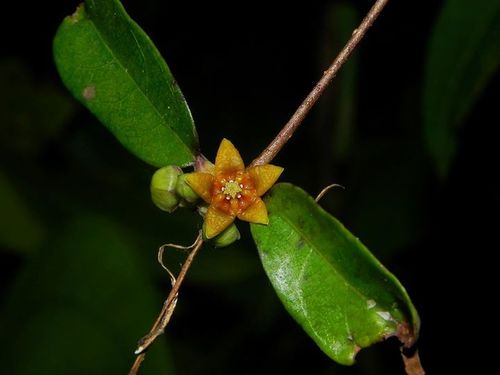
A small clump forming succulent plant. It grows 15 cm high and spreads 20-30 cm wide. The stems are 4 angled and grey-green. These have maroon spots. The flowers occur in groups of up to 10. They are hairy and yellow with a maroon band.
Edible Uses
The leaves are used to make a drink and the stems are eaten.
Known Hazards
Plants are damaged by drought or frost.
Distribution
A subtropical and tropical plant. It grows in dry rocky habitats. It is best in a light to medium well-drained soil. It needs a sheltered shaded position. It is damaged by drought or frost. It suits hardiness zones 9-11.
Where It Grows
Africa, Algeria, Australia, Europe, Italy, Libya, Mediterranean*, Morocco, North Africa, Sahara, Spain,
Cultivation
Plants can be grown by seeds or cuttings.
Notes
There are about 56-100 Caralluma species. These are sometimes put in the Asclepiadaceae.
Synonyms
Also Known As
Ddaghmous
References (9)
- Bircher, A. G. & Bircher, W. H., 2000, Encyclopedia of Fruit Trees and Edible Flowering Plants in Egypt and the Subtropics. AUC Press. p 82
- Blamey, M and Grey-Wilson, C., 2005, Wild flowers of the Mediterranean. A & C Black London. p 178
- Bodkin, F., 1991, Encyclopedia Botanica. Cornstalk publishing, p 212
- Brickell, C. (Ed.), 1999, The Royal Horticultural Society A-Z Encyclopedia of Garden Plants. Convent Garden Books. p 227
- Cundall, P., (ed.), 2004, Gardening Australia: flora: the gardener's bible. ABC Books. p 328
Show all 9 references Hide references
- Ghanimi, R., et al, 2022, Ethnobotanical study on wild edible plants traditionally used by Messiwa people, Morocco. Journal of Ethnobiology and Ethnomedicine. 18:16
- Jardin, C., 1970, List of Foods Used In Africa, FAO Nutrition Information Document Series No 2.p 63
- Martin, F.W. & Ruberte, R.M., 1979, Edible Leaves of the Tropics. Antillian College Press, Mayaguez, Puerto Rico. p 177
- Rivera, D. et al, 2006, Gathered Mediterranean Food Plants - Ethnobotanical Investigations and Historical Development, in Heinrich M, Müller WE, Galli C (eds): Local Mediterranean Food Plants and Nutraceuticals. Forum Nutr. Basel, Karger, 2006, vol 59, pp 18–74 (As Caralluma europaea subsp. gussoniana)