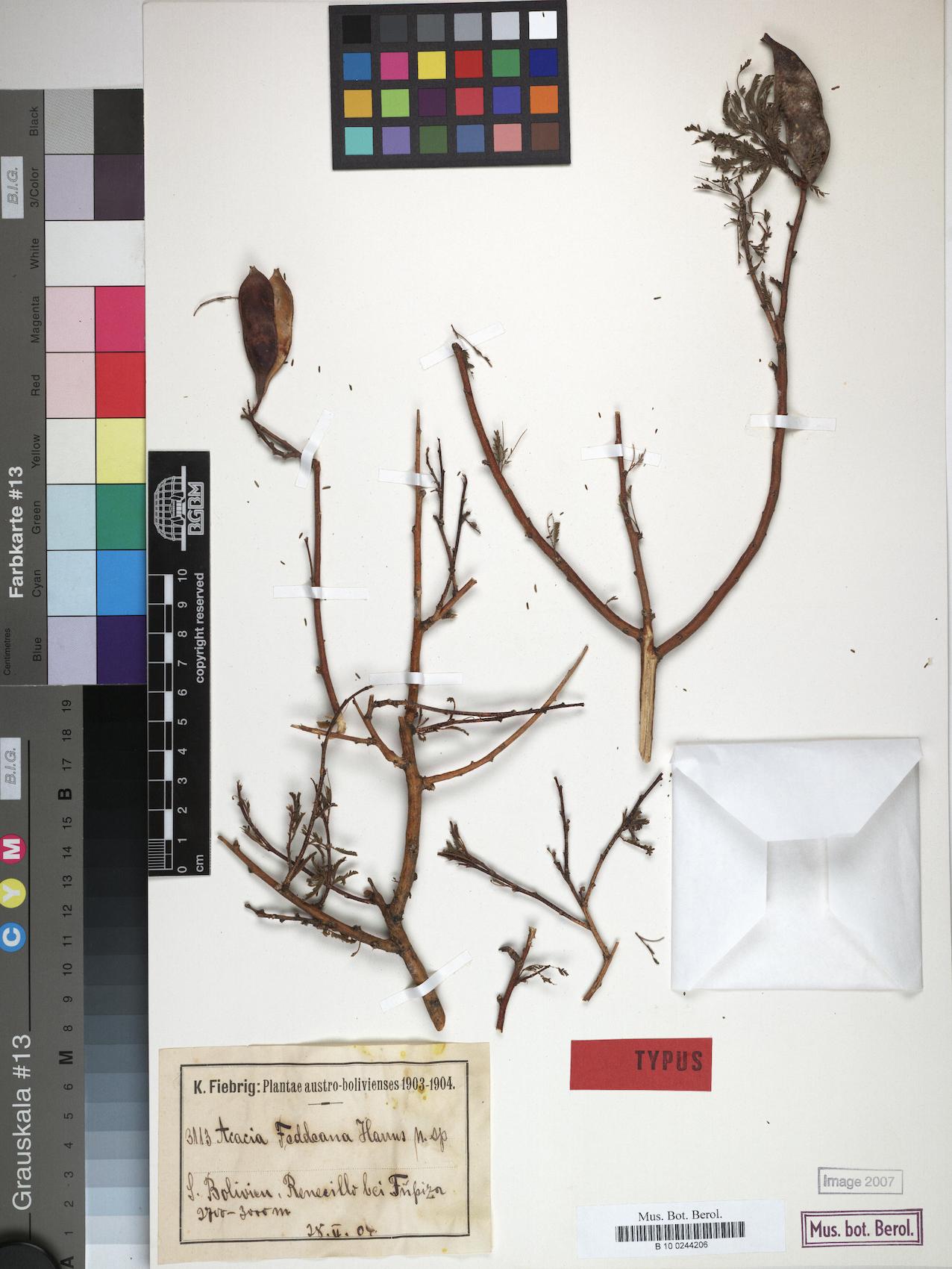
Caragana arborescens
Lam.
Siberian pea shrub, Siberian pea-tree
iNaturalist· cc-by-nc-sa
(c) Kazimierz Morawiak, some rights reserved (CC BY-NC-SA), uploaded by Kazimierz Morawiak
iNaturalist· cc-by-nc
(c) jsharma06, some rights reserved (CC BY-NC)
iNaturalist· cc-by
(c) Bob Walker, some rights reserved (CC BY), uploaded by Bob Walker
Summary
Source: WikipediaCaragana arborescens, the Siberian peashrub, Siberian pea-tree, or caragana, is a species of legume native to Siberia and parts of China (Heilongjiang, Xinjiang) and neighboring Mongolia and Kazakhstan. It was taken to the United States by Eurasian immigrants, who used it as a food source while travelling west. In some areas of the United States it is considered an invasive species. Introduced on the Canadian prairies in the 1880s, the hardy caragana provided shelter-belts, wildlife habitat, nitrogen fixation, and windbreaks to prevent soil erosion and snow drifting.
Description
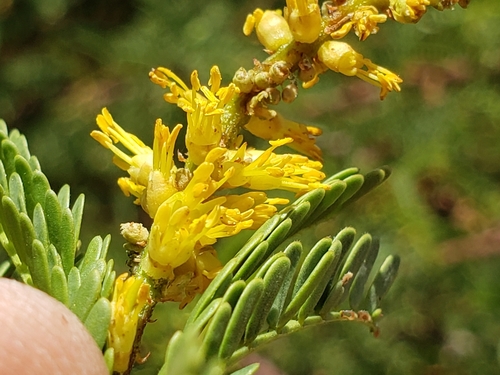
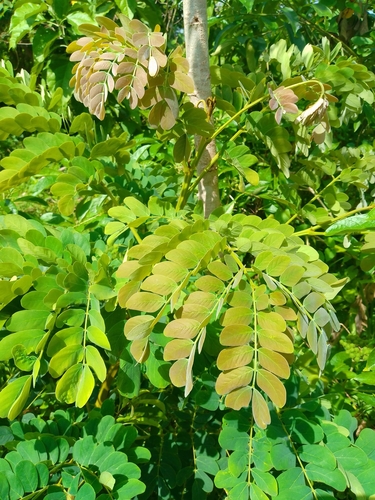
A shrub or small tree. It grows 3.5-6 m high. It loses its leaves during the year. The leaves are soft and spineless. They are alternate and compound. There are 8-12 green leaflets. The central stalk is 4-8 cm long. The leaflets are oval and 12-25 mm long. There are small spines at the base of each leaf. The flowers are pale yellow and occur in loose clusters. They are pea like. They have slender stalks. The fruit is a pod. It is 4-5 cm long and swollen. It splits open with a twist when ripe. It contains many seeds.
Edible Uses
The seed is small but produced abundantly, with 4–6 seeds per pod. Cooked, it has a bland flavour best suited to spicy dishes; raw, it has a mild pea-like flavour, though whether it is suitable in quantity when raw is uncertain. The seed contains 12.4% fatty oil and up to 36% protein, and has been recommended as an emergency food for humans — though the species has potential as a staple crop in areas with continental climates. Young pods are cooked and used as a vegetable.
Traditional Uses
The seeds are eaten cooked. They often need spices to add flavour. The young green pods are cooked and eaten.
This uses section is brief — help expand it
Medicinal Uses
The whole plant, known as ning tiao, is used in the treatment of breast cancer and cancer of the cervix, and for dysmenorrhoea and other gynaecological problems.
Known Hazards
Reports that this plant contains toxins have not been substantiated. The occurrence of cystine in the seeds is doubtful.
Distribution
It is a cool temperate plant. They do best in climates with cold winters and hot, dry summers. It is frost hardy. It can tolerate poor conditions. It can stand poor soil, salt and wind. In north China it grows between 1,000-1,900 m above sea level. It suits hardiness zones 2-9.
Where It Grows
Asia, Australia, Belarus, Britain, Bulgaria, Canada, Caucasus, Central Asia, China, Czech Republic, Europe, France, Kazakhstan, Kyrgyzstan, Manchuria, Mexico, Mongolia, North America, Poland, Romania, Russia, Siberia*, Slovenia, Tajikistan, Tasmania, Ukraine, USA, Uzbekistan, Xinjiang,
Cultivation
Succeeds in most well-drained soils, preferring full sun and a light sandy dry or well-drained soil. Tolerates very alkaline soils. Plants do not require a rich soil, succeeding on marginal land. Established plants are drought resistant. Fast growing. Dormant plants are hardy to about -30°c, they prefer a continental climate and do not grow so well in areas that do not have very cold winters. They grow and fruit very well in the eastern half of the country, even in northern areas, though they do not do so well in the wetter west. The young growth in spring, even on mature plants, is frost-tender and so it is best to grow the plants in a position sheltered from the early morning sun. The Siberian pea shrub has an excellent potential to become a staple food crop. The seed is nutritious and wholesome, although rather small it is often very freely borne and is easily harvested. This species has also been recommended as a nitrogen-fixing windbreak and ground cover plant that binds the soil and produces fibre and dye stuffs. C. boisii and C. fruticosa are closely related to this species and can probably be used similarly. A very ornamental plant, some named forms have been developed for their ornamental value. 'Nana' is a very compact dwarf form that grows slowly. 'Pendula' has stiffly pendent branches but is otherwise the same as the type species. A good bee plant. Plants in this genus are notably resistant to honey fungus. This species has a symbiotic relationship with certain soil bacteria, these bacteria form nodules on the roots and fix atmospheric nitrogen. Some of this nitrogen is utilized by the growing plant but some can also be used by other plants growing nearby.
Propagation
Seed is best sown as soon as it is ripe in a cold frame, where it usually germinates within 2 weeks. Stored seed should be pre-soaked for 24 hours in warm water before sowing in a cold frame; if seed has not swollen, scarify and re-soak for a further 12 hours. Germination normally occurs within 2–3 weeks at 20°C with a good percentage success rate. There are approximately 40,000 seeds per kilo. Prick seedlings into individual pots as soon as they are large enough to handle and grow on under glass for at least their first winter. Plant out in late spring or early summer after the last expected frosts. Cuttings of half-ripe wood, 7–10cm with a heel, can be taken in July or August and rooted in a frame. Layering can be done in spring.
Other Uses
A fibre obtained from the bark is used for making cordage. A blue dye is obtained from the leaves. The seed contains 12.4% fatty oil. The plant can be grown as a wind-resistant hedge or included in shelterbelts. Its extensive root system makes it useful for erosion control, particularly on marginal land, and its nitrogen-fixing capacity adds value as a soil-improving plant. The flowers are rich in nectar and pollen, attracting bees and other pollinators. Seeds and pods provide food for birds and small mammals, and the dense shrub structure offers shelter, nesting, and roosting sites for birds and insects. Dense growth and leaf litter also provide overwintering habitat for beneficial invertebrates.
Notes
There are 80 Caragana species. They grow in temperate continental climates.
Synonyms
Also Known As
Black karagana, Drevesasta karagana, Shu Jinjier, Tree Caragana
References (16)
- Bircher, A. G. & Bircher, W. H., 2000, Encyclopedia of Fruit Trees and Edible Flowering Plants in Egypt and the Subtropics. AUC Press. p 82
- Brickell, C. (Ed.), 1999, The Royal Horticultural Society A-Z Encyclopedia of Garden Plants. Convent Garden Books. p 226
- Cundall, P., (ed.), 2004, Gardening Australia: flora: the gardener's bible. ABC Books. p 328
- Encycl. 1:615. 1785
- Etherington, K., & Imwold, D., (Eds), 2001, Botanica's Trees & Shrubs. The illustrated A-Z of over 8500 trees and shrubs. Random House, Australia. p 180
Show all 16 references Hide references
- Facciola, S., 1998, Cornucopia 2: a Source Book of Edible Plants. Kampong Publications, p 103
- Farrar, J.L., 1995, Trees of the Northern United States and Canada. Iowa State University press/Ames p 218
- Hedrick, U.P., 1919, (Ed.), Sturtevant's edible plants of the world. p 160
- ILDIS Legumes of the World http:www:ildis.org/Legume/Web
- Kew Plants of the World Online
- Jackes, D. A., Edible Forest Gardens
- Plants for a Future database, The Field, Penpol, Lostwithiel, Cornwall, PL22 0NG, UK. http://www.scs.leeds.ac.uk/pfaf/
- Self, M., 199, Phoenix Seeds catalogue. p 17
- Urgamal, M., Oyuntsetseg, B., Nyambayar, D. & Dulamsuren, Ch. 2014. Conspectus of the vascular plants of Mongolia. (Editors: Sanchir, Ch. & Jamsran, Ts.). Ulaanbaatar, Mongolia. “Admon“ Press. 334pp. (p. 121-143).
- Valder, P., 1999, The Garden Plants of China. Florilegium. p 269
- Young, J., (Ed.), 2001, Botanica's Pocket Trees and Shrubs. Random House. p 195