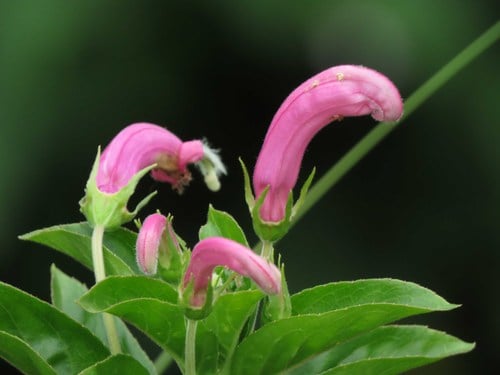
Campanula carpatica
Jacq.
Tussock bellflower, Carpathian bellflower
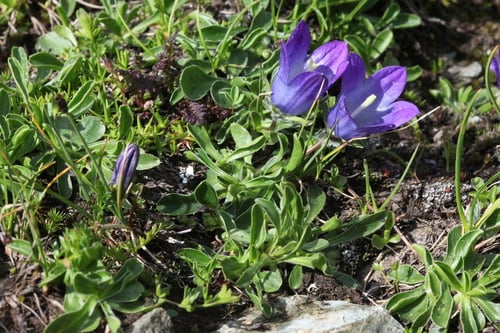
iNaturalist· cc-by
(c) Dmitriy Bochkov, some rights reserved (CC BY)
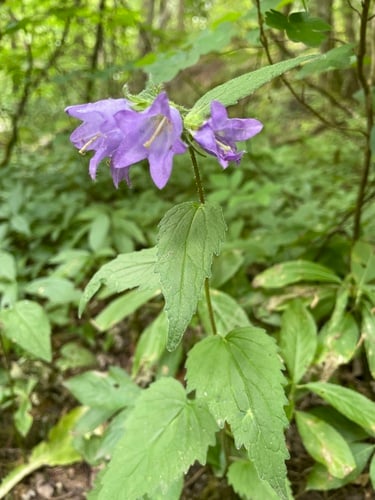
iNaturalist· cc-by-nc
(c) Michal Hroneš, some rights reserved (CC BY-NC)
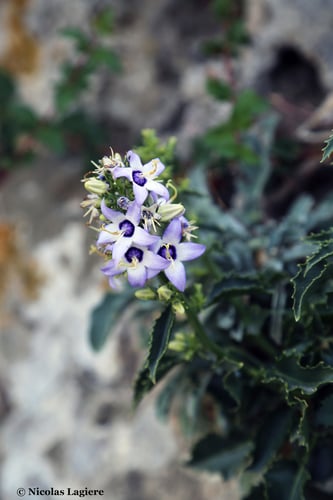
iNaturalist· cc-by-nc
(c) Blanka Vzáčková, some rights reserved (CC BY-NC)
Summary
Source: WikipediaCampanula carpatica, the tussock bellflower or Carpathian harebell, is a species of flowering plant in the family Campanulaceae.
Description
A perennial plant. It grows 20-30 cm high and 30-60 cm wide. The leaves are small and bright green. The flowers are saucer shaped. They are pale blue or white. They are 2.5-5 cm across.
Edible Uses
Edible Parts: Flowers Leaves Edible Uses: Leaves - raw or cooked. A pleasant flavour, they are slightly sweet but a little bit chewy when eaten raw. Flowers - raw or cooked. Slightly sweet, they make a pleasant and decorative addition to salads.
Medicinal Uses
None known
Distribution
It is frost hardy. It suits hardiness zones 3-9.
Where It Grows
Australia, Europe - Carpathians, USA,
Cultivation
Prefers a moist but well-drained rich sandy loam and a neutral or alkaline soil in a sunny position though it also tolerates partial shade. A very easy species to grow, it will tolerate almost any soil or situation though it prefers the fullest amount of sun. Plants grow well on a sunny wall so long as the roots have soil to grow into. Plants are hardy to at least -15°c. A very free-flowering plant, indeed it has one of the longest flowering periods of any species in this genus. If the plant is cut back as the flowers fade, it will usually produce a second flush of flowers later in the season. The species in this genus do not often hybridize and so seed can generally be relied upon to come true. This species, however, especially under garden conditions, is more likely to produce hybrids than most other members of the genus. The plants are self-fertile. A very variable species in the wild. There are many named varieties selected for their ornamental value. 'Chewton Joy' has pleasantly flavoured leaves. Members of this genus are rarely if ever troubled by browsing deer.
Propagation
Seed - surface sow spring in a cold frame. Seed usually germinates in 2 - 4 weeks at 18°c. Very easy from seed. When they are large enough to handle, prick the seedlings out into individual pots and grow them on in a cold frame for at least their first winter. Plant them out into their permanent positions in late spring or early summer, after the last expected frosts. Basal cuttings in spring. Harvest the shoots when they are about 10 - 15cm long with plenty of underground stem. Pot them up into individual pots and keep them in light shade in a cold frame or greenhouse until they are rooting well. Plant them out in the summer. Division in spring or autumn. Very easy, larger clumps can be replanted direct into their permanent positions, though it is best to pot up smaller clumps and grow them on in a cold frame until they are rooting well. Plant them out in the summer or following spring.
Other Uses
Plants make a good ground cover when planted about 30cm apart each way, forming a spreading clump. Special Uses Food Forest Ground cover
Notes
There are about 300 Campanula species.
Synonyms
References (5)
- Cundall, P., (ed.), 2004, Gardening Australia: flora: the gardener's bible. ABC Books. p 319
- Hort. bot. vindob. 1:22. 1770
- Jackes, D. A., Edible Forest Gardens
- Joyce, D., 1998, The Garden Plant Selector. Ryland, Peters and Small. p 213
- Plants for a Future database, The Field, Penpol, Lostwithiel, Cornwall, PL22 0NG, UK. http://www.scs.leeds.ac.uk/pfaf/