Campanula alliariifolia
Willd.
Cornish Bellflower, Ivory bells
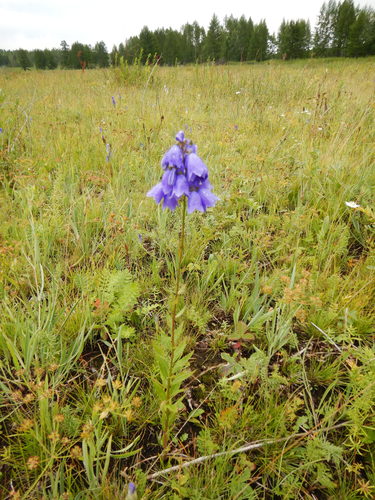
iNaturalist· cc-by-nc
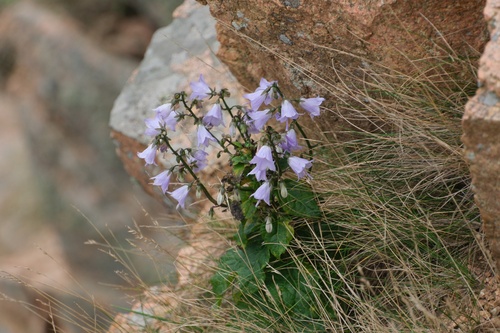
(c) Matthieu Gauvain, some rights reserved (CC BY-NC), uploaded by Matthieu Gauvain
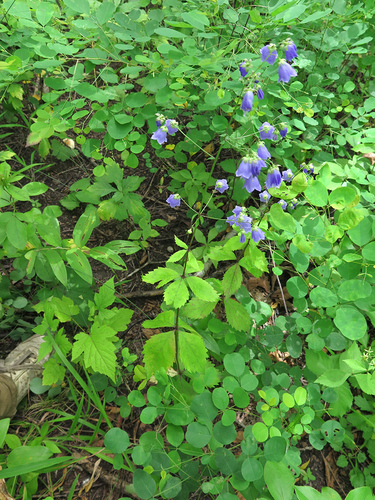
iNaturalist· cc-by-nc
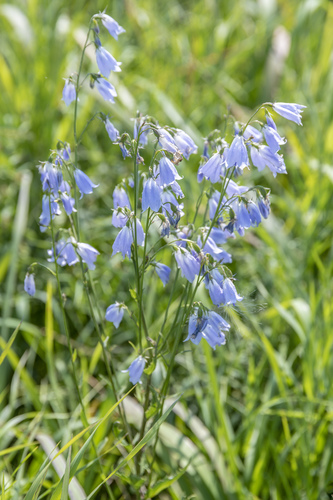
(c) Svetlana Nesterova, some rights reserved (CC BY-NC), uploaded by Svetlana Nesterova
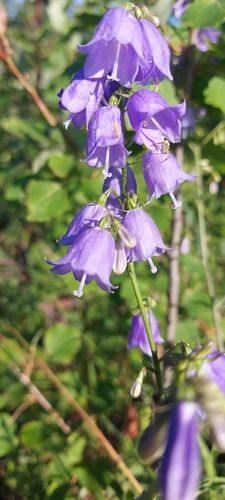
iNaturalist· cc-by-nc
(c) Gennadiy Okatov, some rights reserved (CC BY-NC), uploaded by Gennadiy Okatov
Summary
Source: WikipediaCampanula alliariifolia is a species of flowering plant in the bellflower family Campanulaceae. It is native to the Caucasus and Turkey and it is grown as an ornamental plant. Common names include Cornish bellflower. It is a vigorous, clump-forming perennial with heart-shaped, toothed, gray hairy basal leaves that are 3 inches long. It has tubular-bell shaped white flowers, which are 2 cm. long with pointed petals. Campanula alliariifolia can grow from 12- 24 inches and spreads up to 18 inches. It is in the USDA Hardiness Zones 3-7 and can live in heat zones up to 7.
Description
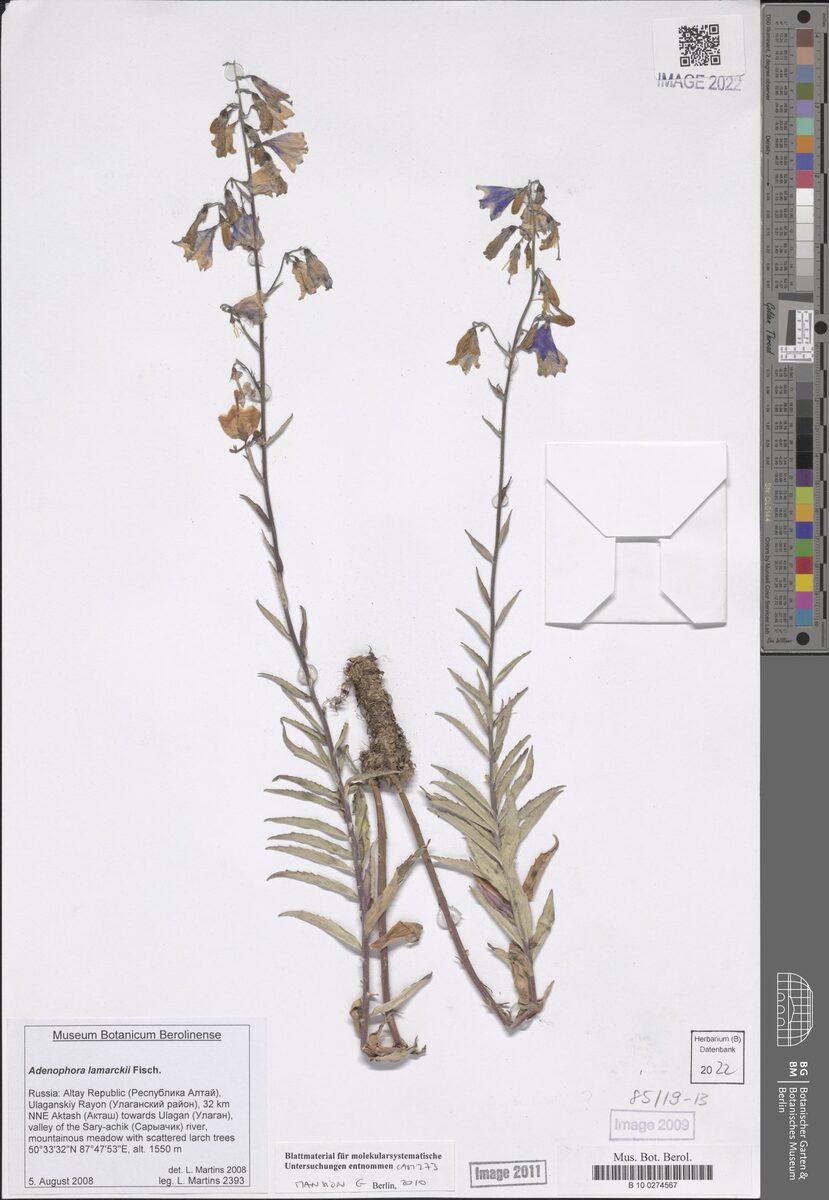
A perennial plant. It grows 38-60 cm high and 45 cm wide. It forms clumps. The leaves are heart-shaped and grey-green. The flowers are nodding and tubular.
Edible Uses
Edible Parts: Flowers Leaves Edible Uses: Leaves - raw or cooked. The leaves are rather hairy and, especially as they age, have a slightly unpleasant bitterness. They are acceptable as a minor ingredient in mixed salads, but are generally less than pleasant to eat on their own. Flowers - a pleasant taste and texture with a slight sweetness.
Medicinal Uses
None known
Distribution
It is a temperate plant.
Where It Grows
Asia, Australia, Britain, Europe, Georgia, Tasmania, Turkey, Türkiye,
Cultivation
Succeeds in any well-drained fertile soil, but prefers a moist well-drained rich sandy loam and a neutral or alkaline soil in full sun, though it also tolerates partial shade. When grown in exposed and windy positions, plants tend to grow better when in a poor soil. Plants are hardy to at least -15°c. If the plant is cut back as the flowers fade, it will usually produce a second flush of flowers later in the season. The species in this genus do not often hybridize and so seed can generally be relied upon to come true. The plants are self-fertile. This species tends to produce seed abundantly in cultivation and will often self-sow. Plants can be naturalized in the light dappled shade of a woodland. There are some named forms selected for their ornamental value. Members of this genus are rarely if ever troubled by browsing deer.
Propagation
Seed - surface sow spring in a cold frame. Germination usually takes place within 2 - 4 weeks at 18°c. When they are large enough to handle, prick the seedlings out into individual pots and grow them on in a cold frame for at least their first winter. Plant them out into their permanent positions in late spring or early summer, after the last expected frosts. Basal cuttings in spring. Harvest the shoots when they are about 10 - 15cm long with plenty of underground stem. Pot them up into individual pots and keep them in light shade in a cold frame or greenhouse until they are rooting well. Plant them out in the summer. Division in spring or autumn. The plant has a thick fleshy root with a number of crowns. Whilst this can be divided if great care is taken not to damage the root, it is not really recommended because the divisions take a long time to become established.
Other Uses
Plants can be grown for ground cover when planted about 45cm apart each way, they form spreading clumps. Special Uses Ground cover
Notes
There are about 300 Campanula species.
Also Known As
Busk'ant'ura
References (5)
- Bussman, R. W., et al, 2021, Unity in diversity—food plants and fungi of Sakartvelo (Republic of Georgia), Caucasus. Journal of Ethnobiology and Ethnomedicine (2021) 17:72 p 8
- Hibbert, M., 2002, The Aussie Plant Finder 2002, Florilegium. p 58
- Joyce, D., 1998, The Garden Plant Selector. Ryland, Peters and Small. p 213
- Plants for a Future database, The Field, Penpol, Lostwithiel, Cornwall, PL22 0NG, UK. http://www.scs.leeds.ac.uk/pfaf/
- Sp. pl. 1(2):910. 1798