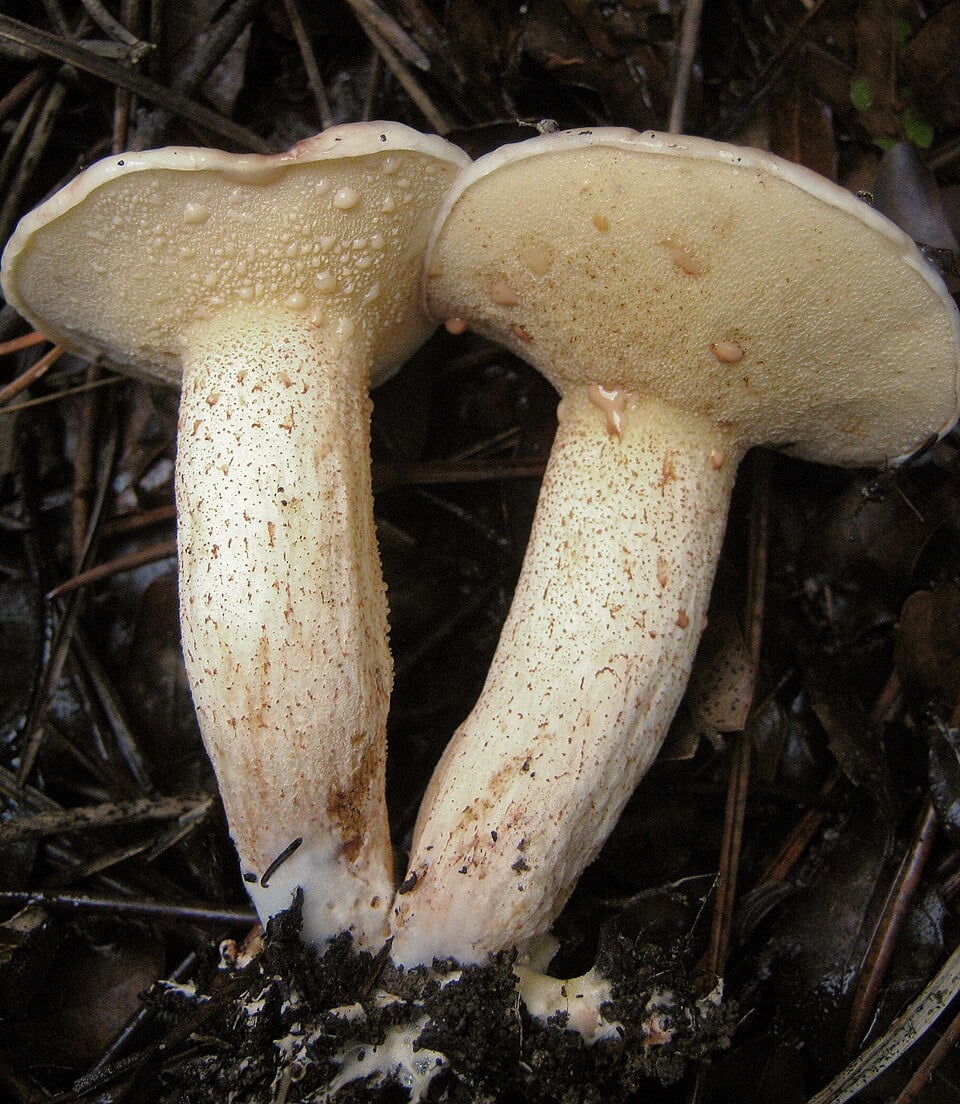
Suillus cavipes
(Opat.) A. H. Sm. & Thiers
Hollow-stalked boletus
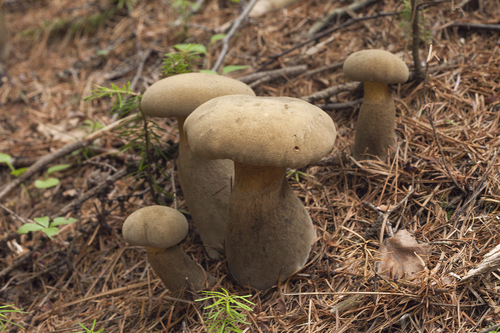
iNaturalist· cc-by-nc
(c) Guinberteau Jacques, some rights reserved (CC BY-NC), uploaded by Guinberteau Jacques
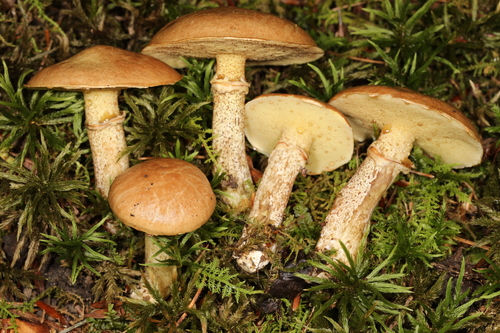
iNaturalist· cc-by-nc
(c) Елена, some rights reserved (CC BY-NC), uploaded by Елена
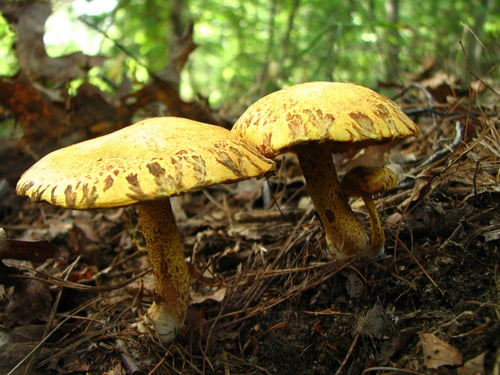
iNaturalist· cc-by-nc
(c) pietroc, some rights reserved (CC BY-NC), uploaded by pietroc
Summary
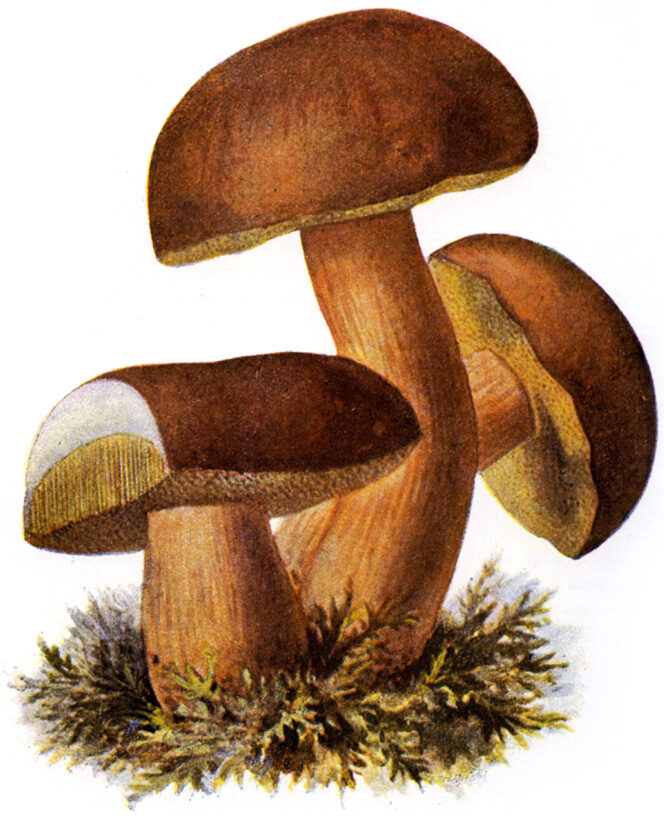
Source: WikipediaSuillus cavipes, commonly known as the hollow foot is a species of mushroom in the genus Suillus. The epithet cavipes (Latin: 'hollow foot') refers to the hollow stem. The brownish cap is up to 12 centimetres (4+3⁄4 in) wide, dry, fibrillose, sometimes with veil remnants on the edge. The pores are buff and usually decurrent. The stipe is up to 9 cm long and 2 cm thick, yellowish above, sometimes with a slight ring, and cap-colored below. The flesh is whitish and firm. It is found in Europe and North America. It is associated with larch in the Pacific Northwest. It is edible.
Description
A temperate mushroom with a red-brown cap, found in temperate regions and high altitude tropical areas including Papua Indonesia, where it is considered a choice edible species.
Edible Uses
The mushroom fruiting body is eaten.
Distribution
It is a temperate plant and also in high altitude tropical places. It is eaten among the Dani of Papua Indonesia.
Where It Grows
Asia, China, Himalayas, Indonesia, Mexico, Nepal, North America, Papua, Russia, SE Asia, USA,
Other Information
It is a choice mushroom.
Notes
Also put in the family Boletaceae.
Also Known As
Hollow stem larch suillus, Kongbing xiaoniuganjun
References (5)
- Boa, E. R., 2004, Wild edible fungi and their importance to people. FAO Non Wood Forest Products Booklet 17
- Dongol, et al, 1995, Edible Mushrooms in Nepal (As Holetinus cavipes)
- Hall, I. R., et al, 2003, Edible and Poisonous Mushrooms of the World. Timber Press. p 310
- Ostry, M. E., et al, 2010, Field Guide to Common Macrofungi in Eastern Forests and Their Ecosystem Functions. USDA Forest Service General Technical Report NRS-79 p 70
- Walulo, E. B., 2008, Review: Research Ethnobotany in Indonesia and the Future Perspectives. Biodiversitas Vol. 9 Nomor 1. Halaman 59-63 http://www.unsjournals.com/D/D0901/D090114.pdf