Calostemma purpureum
R. Br.
Purple Garland lily
iNaturalist· cc-by-nc
(c) Ralph Foster, some rights reserved (CC BY-NC)
iNaturalist· cc-by-nc
(c) Ralph Foster, some rights reserved (CC BY-NC)
iNaturalist· cc-by-nc
(c) Ralph Foster, some rights reserved (CC BY-NC)
Summary
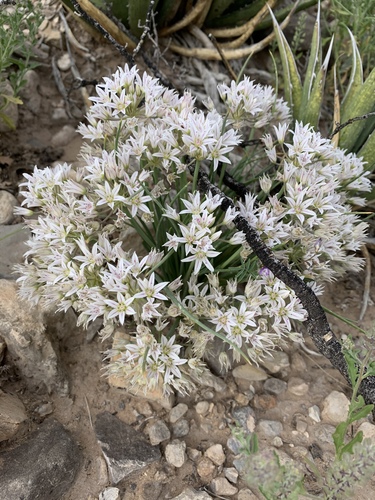
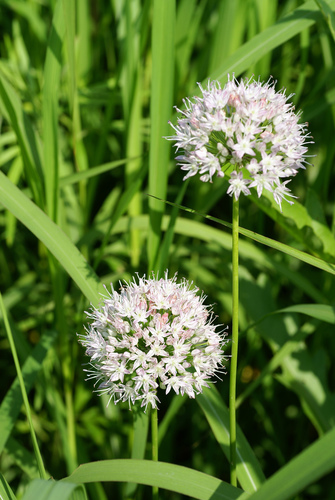
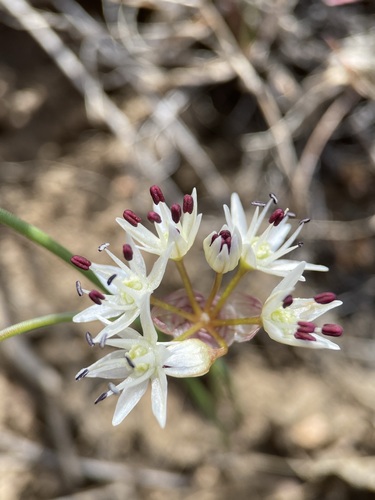
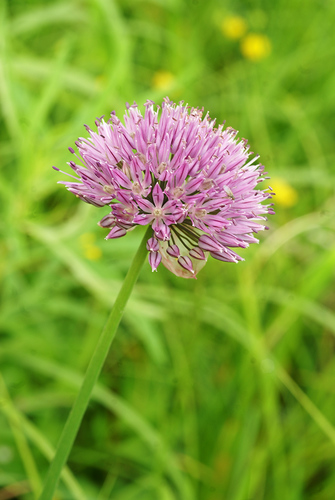
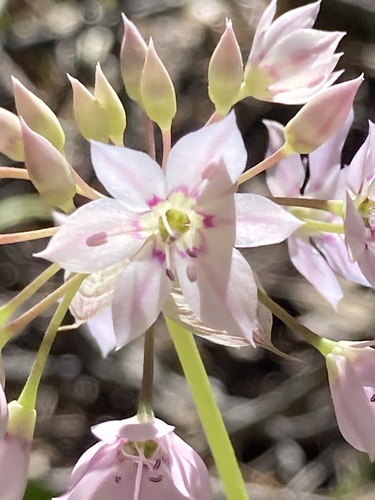
Source: WikipediaCalostemma purpureum, the garland lily, is a long-lived perennial flowering plant that is native to South Australia, Victoria and New South Wales. Flowers may be cream, yellow, pink or purple. Related to the common daffodil, garland lilies were once common in large colonies in grassy areas, in particular the plain on which the city of Adelaide now stands. Due to urbanisation and grazing, the garland lily is now rare, only occurring in small pockets in parks on the outskirts of the city. Leaves form from the bulb during winter, and die off during spring. The plant flowers during summer when there are no leaves. Calostemma purpureum bursts into flower in the midst of the heat of an Australian summer, when most other plants are not flowering. The flowers are purple-pink in colour forming in an umbel of 5-10 showy flowers. They appear on a stalk around 30 centimetres long. The flowers are replaced in autumn by clusters of large, berry-like seeds. The seeds may germinate while still on the plant. They germinate very readily but it may take three or four years before the new plant first flowers.
Description
A small plant. It grows 30-60 cm high. It spreads 10-20 cm wide. The leaves are fleshy and strap like. The flowers are like daffodil flowers. They are yellow or pink. The bulbs multiply and build up in number.
Edible Uses
The bulbs and roots are edible.
Distribution
It grows in temperate and semiarid places. It needs well drained soil. It can grow in dry soil and full sunlight. It can stand light frost.
Where It Grows
Australia*,
Cultivation
It can be grown from seed or by division of the bulbs.
Notes
There are 4 Calostemma species. They grow in Australia.
References (12)
- Bodkin, F., 1991, Encyclopedia Botanica. Cornstalk publishing, p 201
- Cherikoff V. & Isaacs, J., The Bush Food Handbook. How to gather, grow, process and cook Australian Wild Foods. Ti Tree Press, Australia p 189
- Cronin, L., 1989, The Concise Australian Flora. Reed. p 22
- Dashorst, G.R.M., and Jessop, J.P., 1998, Plants of the Adelaide Plains & Hills. Botanic Gardens of Adelaide and State Herbarium. p 162
- Elliot, W.R., & Jones, D.L., 1982, Encyclopedia of Australian Plants suitable for cultivation. Vol 2. Lothian. p 436
Show all 12 references Hide references
- Hibbert, M., 2002, The Aussie Plant Finder 2002, Florilegium. p 50
- Hunter, J. T. et al, Budjiti traditional use of plants on Naree Station. p 12
- Hunter, J.T., 2017, Is there a relationship between contemporary high Aboriginal plant resource locations and mapped vegetation communities? Cunninghamia 17:27-34. The Royal Botanic Garden Sydney. ISSN 2200 - 405X
- Lazarides, M. & Hince, B., 1993, Handbook of Economic Plants of Australia, CSIRO. p 44
- Leiper, G & Houser, J., Mutooroo. Plant Use by Australian Aboriginal People. Assembly press, Queensland.
- Molyneux, B & Forrester, S., 1997, The Austraflora A-Z of Australian Plants. Reed. p 63
- Morley, B.D., & Toelken, H.R., (Eds), 1983, Flowering Plants in Australia. Rigby. p 335