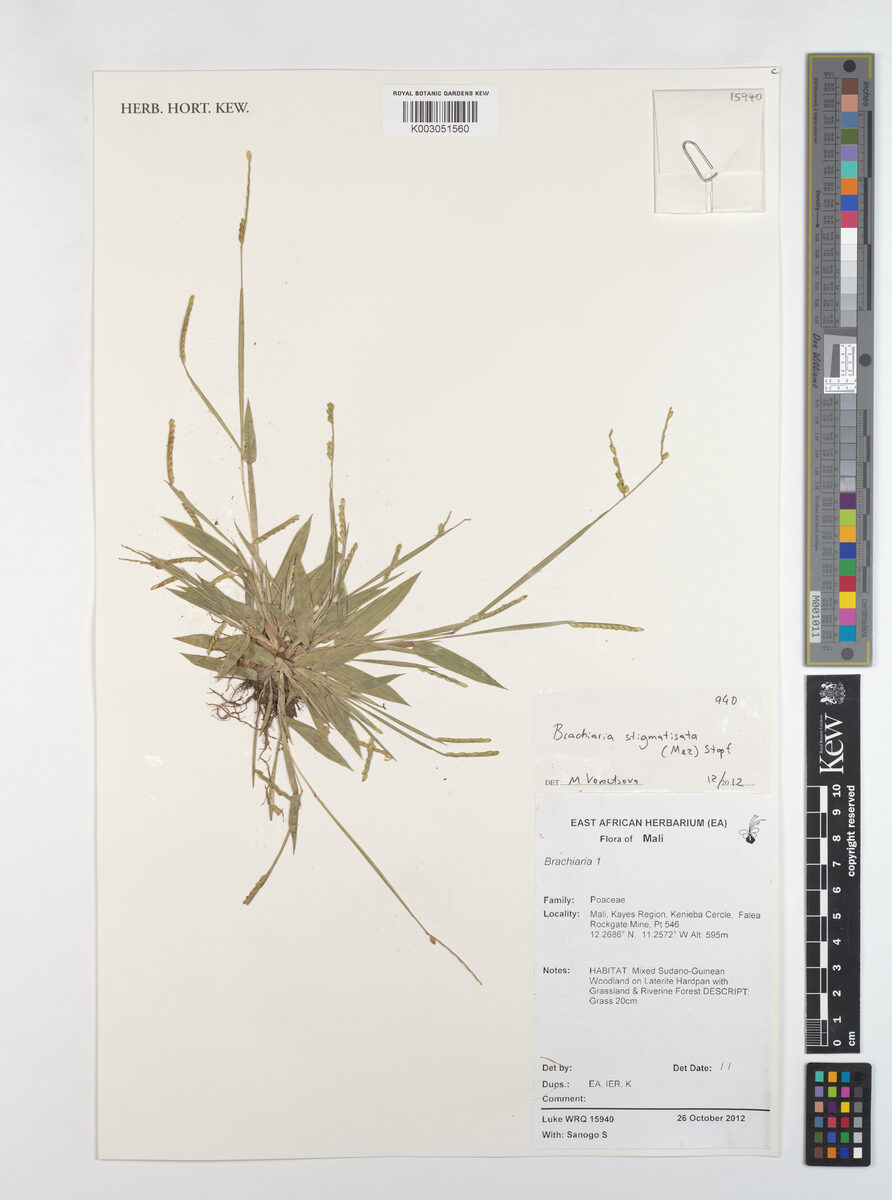
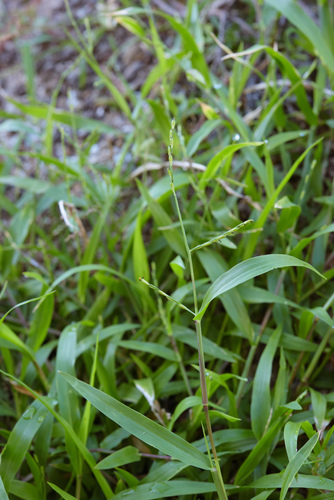
Hyparrhenia nyassae
(Rendle) Stapf
iNaturalist· cc-by-nc
(c) Franck Rakotonasolo, some rights reserved (CC BY-NC), uploaded by Franck Rakotonasolo
iNaturalist· cc-by-nc
(c) Franck Rakotonasolo, some rights reserved (CC BY-NC)
Description
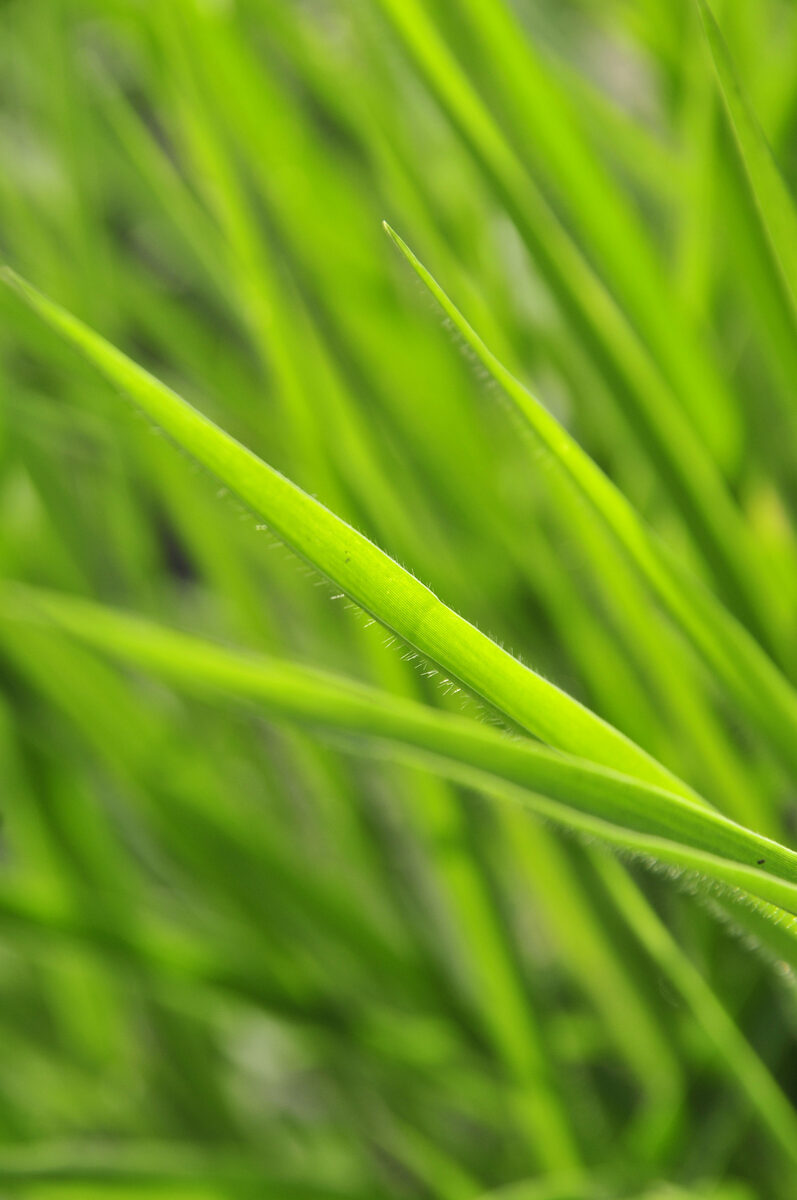
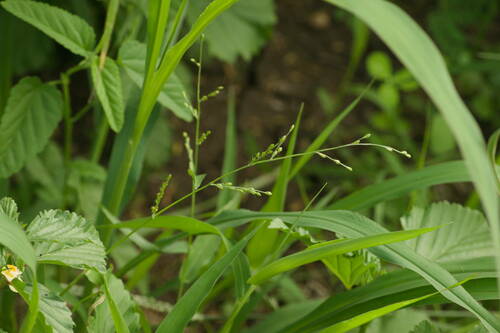
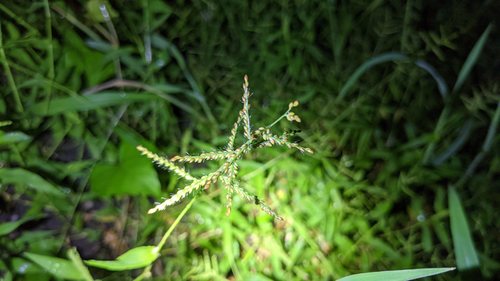
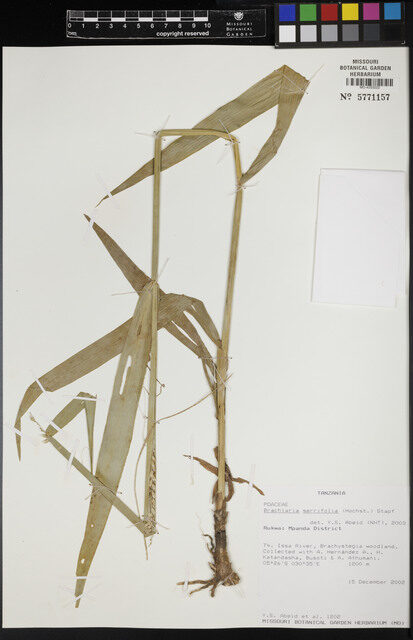
A grass that keeps growing from year to year. It forms tufts and grows 1.5 m high. There are white hairs near the base of the leaf sheath. The leaf blade is 45 cm long by 2-5 mm wide.
Edible Uses
The seeds are eaten as a grain or cereal. It is used as a famine food.
Distribution
It is a tropical plant. It grows in savannah woodlands especially damp sites and near swamps. It grows from 40-2,300 m altitude.
Where It Grows
Africa, Angola, Asia, Botswana, Cameroon, Central Africa, Congo, East Africa, Ethiopia, Ghana, Indochina, Malawi, Mozambique, SE Asia, South Africa, Southern Africa, Sudan, Tanzania, Thailand, Vietnam, West Africa, Zambia, Zimbabwe,
Other Information
It is a famine food.
Synonyms
References (4)
- Burkill, H. M., 1985, The useful plants of west tropical Africa, Vol. 2. Kew.
- Flora Zambesiaca. http://apps.kew.org/efloras
- Fowler, D. G., 2007, Zambian Plants: Their Vernacular Names and Uses. Kew. p 70
- World Checklist of Useful Plant Species 2020. Royal Botanic Gardens, Kew