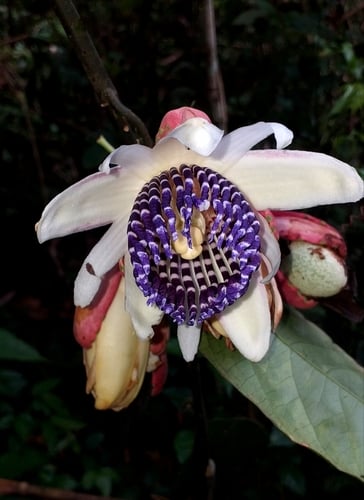
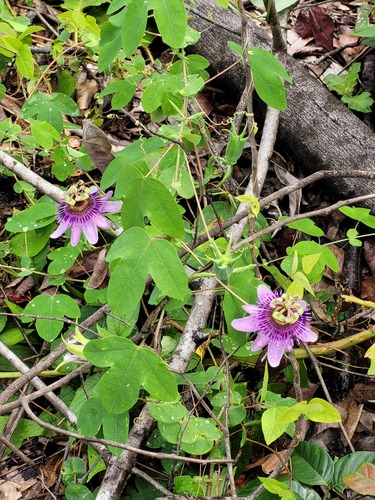
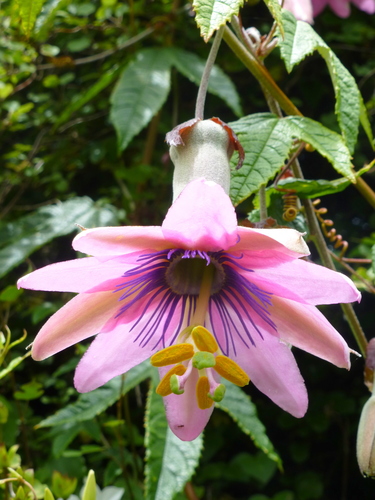
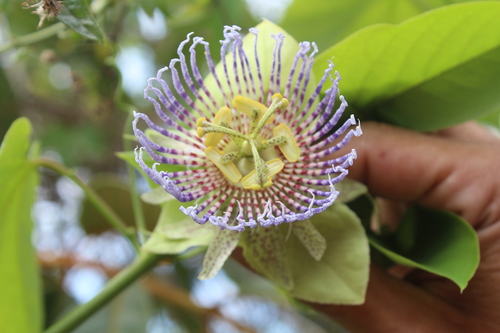
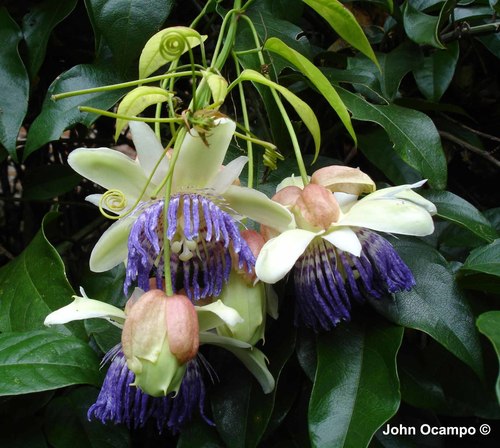
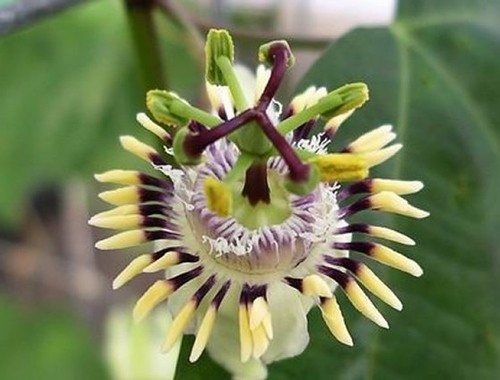
Efulensia clematoides
C. H. Wright
gbif· cc-by-nc-nd
Patricia Barberá & West & Central Africa program
gbif· cc-by-nc-nd
Patricia Barberá & West & Central Africa program
gbif· cc-by-nc-sa
MBG
Description
A tropical creeping vine in the Passifloraceae family found in open, damp secondary jungle in West Africa.
This description is brief — help expand it
Edible Uses
The leaves are cooked as a vegetable and eaten with meat or fish.
Traditional Uses
The leaves are cooked as a vegetable and eaten with meat or fish.
This uses section is brief — help expand it
Medicinal Uses
The leaves are cooked as a vegetable and eaten with meat or fish for their supposed beneficial action upon the liver and for treating enlarged spleens. Some saponins are present in the bark and roots. Hydrocyanic acid is abundant in the roots, and traces of it occur in the bark. The plant contains the cyanohydrin glycosides barterin (tetraphyllin B) and deidaclin.
Known Hazards
A concentrated root decoction is used to produce an arrow poison.
Distribution
It is a tropical plant. It grows in open, damp secondary jungle in West Africa.
Where It Grows
Africa, Central Africa, Congo, Gabon, Nigeria, West Africa,
Cultivation
The flowers are generally bisexual, but can be functionally male.
Synonyms
References (2)
- Burkill, H. M., 1985, The useful plants of west tropical Africa, Vol. 4. Kew.
- World Checklist of Useful Plant Species 2020. Royal Botanic Gardens, Kew