Celosia isertii
C. C. Townsend
Cockscomb
gbif· cc-by
Royal Botanic Gardens, Kew
gbif· cc-by-nc-nd
Ehoarn Bidault
gbif· cc-by-nc-nd
Ehoarn Bidault
Description
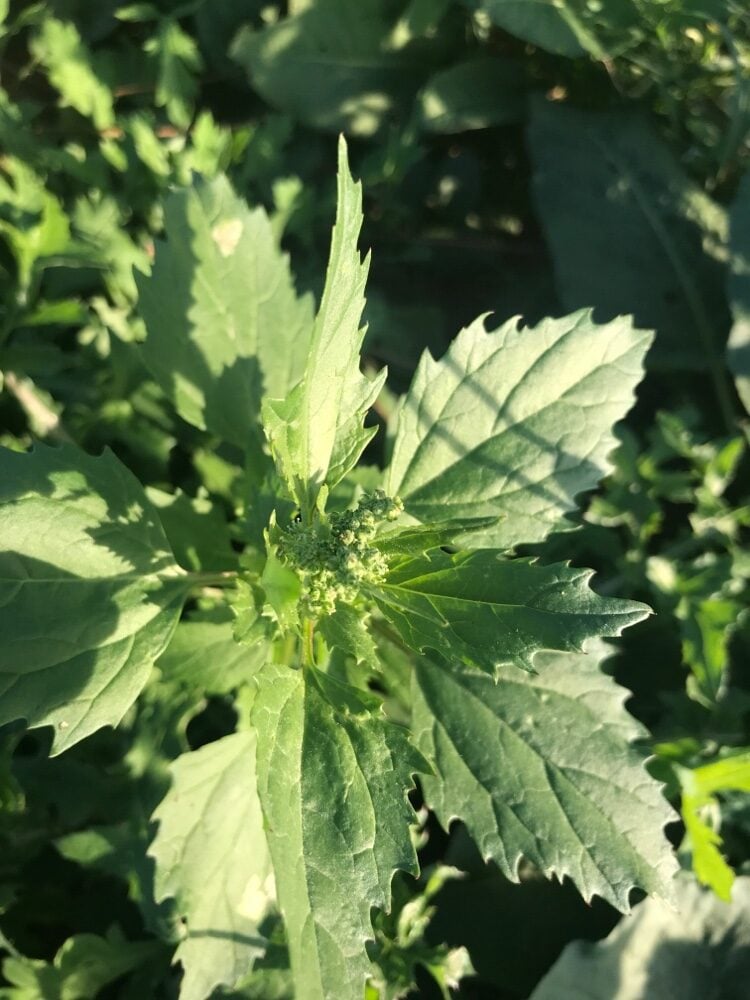
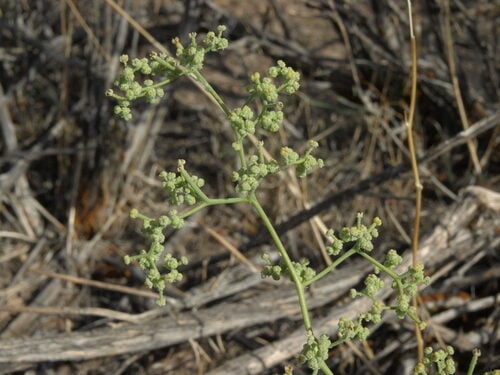
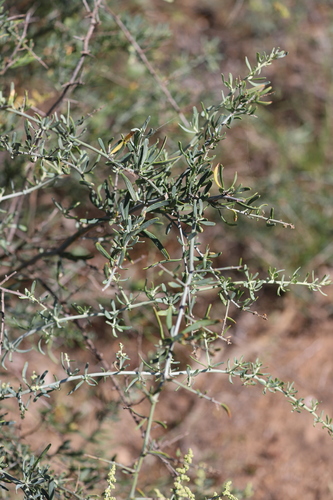
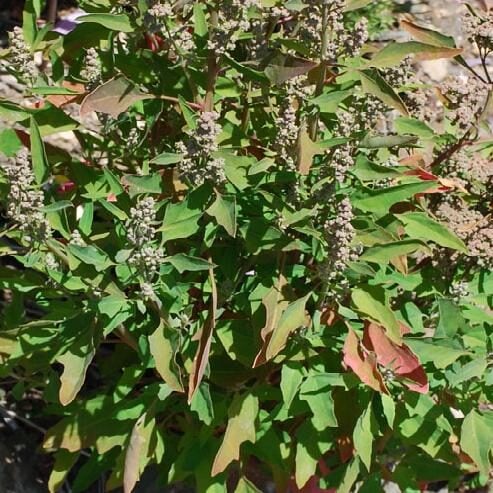
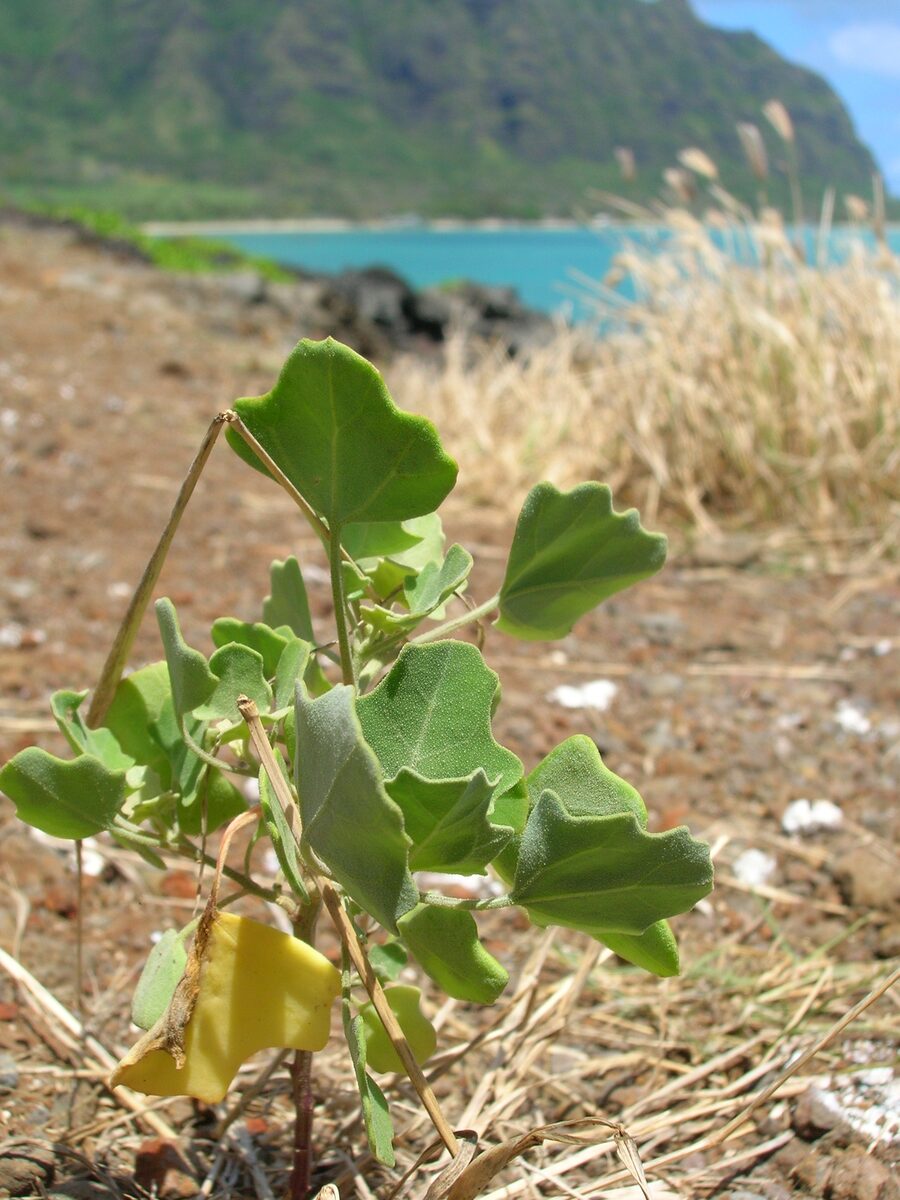
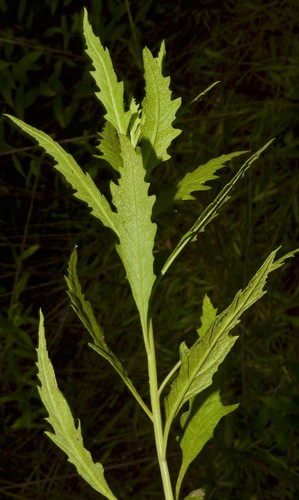
A straggling herb. It can be woody at the base. It grows 3 m tall. The stems and branches are hairy. The leaves are narrowly oval and hairy underneath especially along the veins. Leaves can be 3.5-10 cm long by 2.5-5 cm wide. The flower heads are white and in the axils of the leaves and at the top of the plant. The fruit is a capsule 2-4 mm long. The seeds are black and shiny. They are 1 mm long.
Edible Uses
The leaves are cooked and eaten, and are also used in sauces and for flavouring.
Traditional Uses
The leaves are cooked and eaten. They are also used in sauces and for flavouring.
This uses section is brief — help expand it
Distribution
It is a tropical plant. It grows in secondary forests and near streams and in damp sites. In Zambia it grows between 1,500-1,800 m altitude.
Where It Grows
Africa, Angola, Cameroon, Central Africa, Congo, East Africa, Equatorial Guinea, Gabon, Gambia, Nigeria, Senegal, Sierra Leone, Tanzania, Uganda, West Africa, Zambia,
Other Information
It is enjoyed as a vegetable.
Synonyms
Also Known As
Jarfundu, Nanafo
References (4)
- Burkill, H. M., 1985, The useful plants of west tropical Africa, Vol. 1. Kew.
- Flora Zambesiaca. http://apps.kew.org/efloras
- Seidemann J., 2005, World Spice Plants. Economic Usage, Botany, Taxonomy. Springer. p 90
- World Checklist of Useful Plant Species 2020. Royal Botanic Gardens, Kew