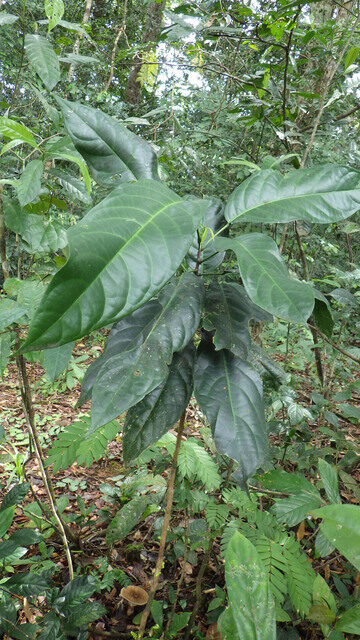
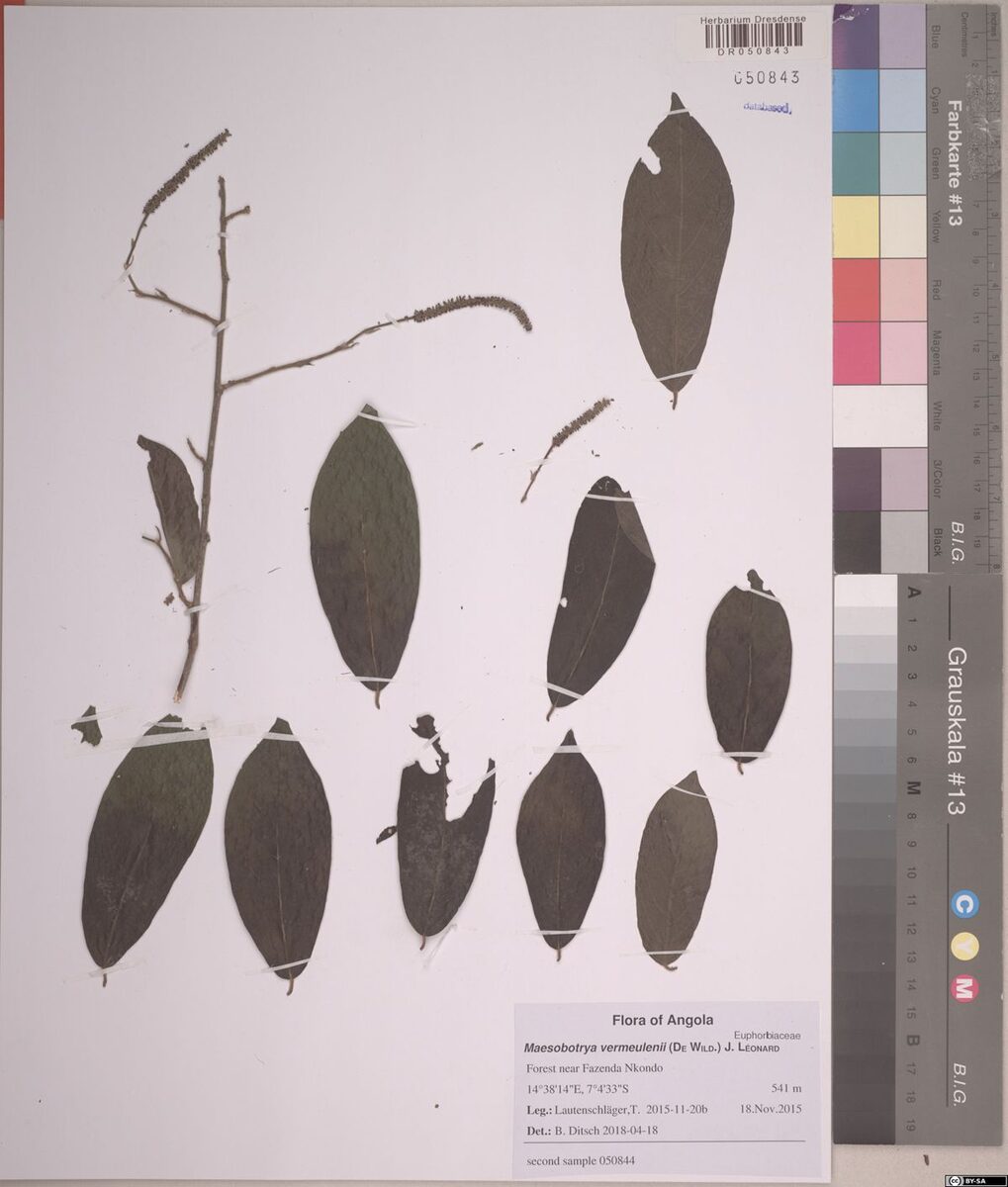
Bridelia atroviridis
Mull.-Arg.
Asaraba
iNaturalist· cc-by-nc
(c) Nick Helme, some rights reserved (CC BY-NC), uploaded by Nick Helme
iNaturalist· cc-by-nc-sa
(c) Amadej Trnkoczy, some rights reserved (CC BY-NC-SA)
iNaturalist· cc-by-nc
(c) Li Jianong, some rights reserved (CC BY-NC), uploaded by Li Jianong
Description
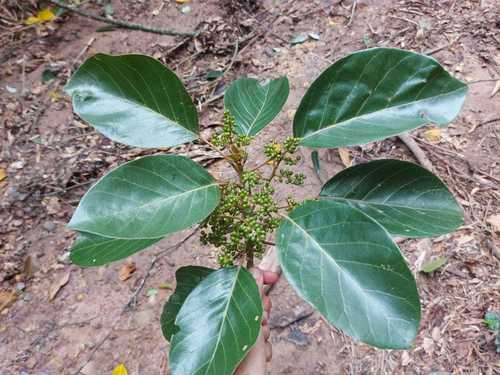
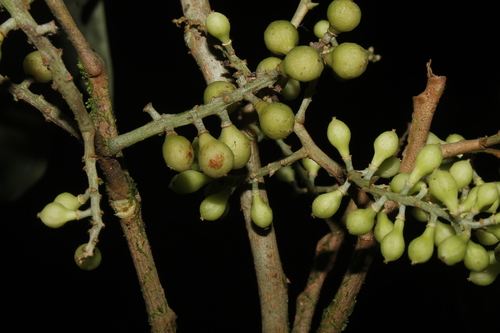
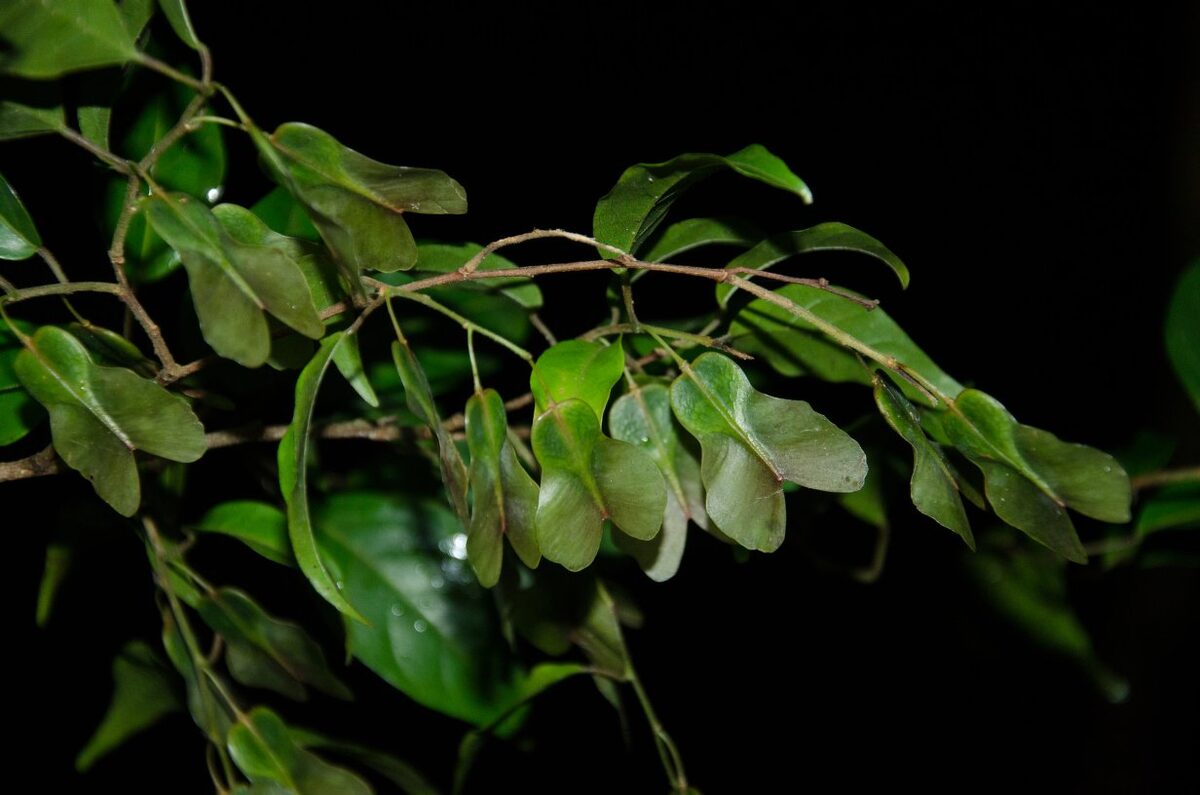
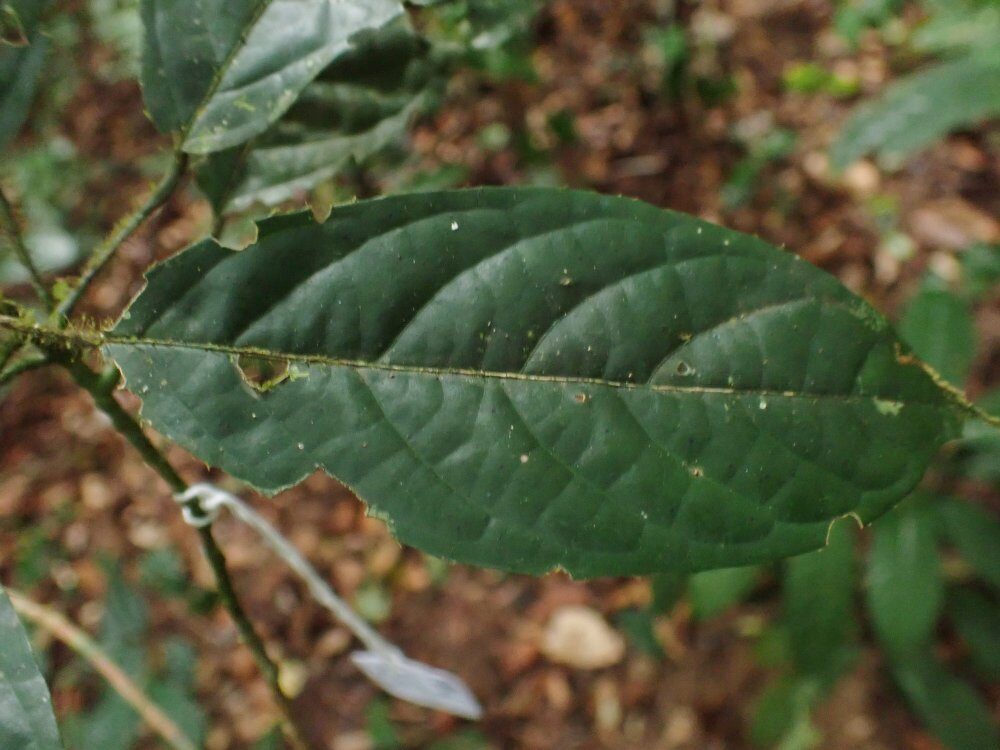
A shrub or small tree. It grows 8-12 m high. It has a straight trunk up to 45 cm across. The leaves are narrowly sword shaped. The veins are obvious on both surfaces. There are fine hairs along the veins. The flowers are in clusters in the axils of leaves. The flowers are very small and greenish-yellow. The fruit is like a berry. It is dark brown when ripe.
Edible Uses
The seeds are eaten.
Medicinal Uses
The bark is aphrodisiac, diuretic and purgative. A decoction is used in the treatment of breathing difficulties, urethral discharges, fevers, dysenteric diarrhoeas, and for fever and rheumatic pains. A bark-macerate is used in the treatment of coughs. The bark infusion is also used as a mouth wash to treat thrush in children. The mouth is rinsed with a twig or root bark maceration to treat caries. The leaves are purgative. They can be wilted for 1 - 2 days and then boiled up in water with some lime juice added and the whole drunk. This is purgative, sudorific and febrifuge, and is used in the treatment of diarrhoea and fevers. Inhalations of the vapour from the boiling also induce sweating. The leaf infusion is also used externally for bathing and in vapour baths. The bark contains tannins and saponosides. An extract of the stem of Nigerian plants has been tested for molluscicidal action on the freshwater snail, Bulinus globulus, and has been reported to be very effective, 100 ppm extract giving 100% mortality.
Distribution
It is a tropical plant. It grows in a range of forest and savannah locations across West Africa. It grows along rivers. In Zimbabwe it grows between 950-1,160 m above sea level.
Where It Grows
Africa, Angola, Cameroon, Central Africa, Central African Republic, CAR, Congo, Côte d'Ivoire, East Africa, Ethiopia, Ghana, Ivory Coast, Kenya, Malawi, Mozambique, Nigeria, Sierra Leone, Southern Africa, Sudan, Tanzania, Uganda, West Africa, Zimbabwe,
Propagation
Seed - a germination rate of 50 - 60% can be obtained within 3 weeks of sowing. Mature seeds are dried and stored in air-tight containers at room temperature. Propagation by stem cuttings is possible.
Other Uses
The roots are used as chew sticks to keep the teeth and gums clean and healthy. The bark contains about 31% tannins. (This is almost certainly the dried bark. The bark is used to produce dyes of different colours, using various mordants to achieve the desired colour. The heart-wood is dark brown, very hard and durable. It is used in house building, tool handles, wooden spoons and as pillars for looms. The wood is used for fuel.
Notes
There are about 60 Bridelia species.
Also Known As
Akwakorobo
References (3)
- Burkill, H. M., 1985, The useful plants of west tropical Africa, Vol. 2. Kew.
- White, F., Dowsett-Lemaire, F. and Chapman, J. D., 2001, Evergreen Forest Flora of Malawi. Kew. p 244
- World Checklist of Useful Plant Species 2020. Royal Botanic Gardens, Kew