Antherotoma senegambiensis
(Guill. & Perr.) Triana
iNaturalist· cc-by-nc
(c) Bart Wursten, some rights reserved (CC BY-NC)
iNaturalist· cc-by-nc
(c) Bart Wursten, some rights reserved (CC BY-NC)
iNaturalist· cc-by-nc
(c) Bart Wursten, some rights reserved (CC BY-NC)
Description
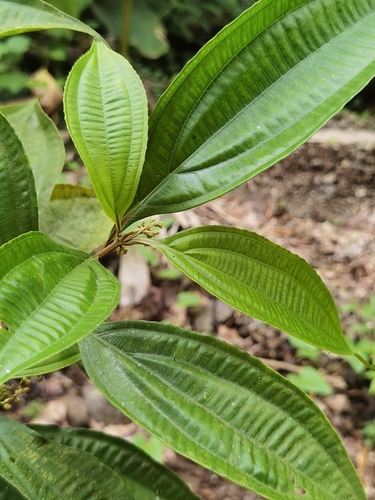
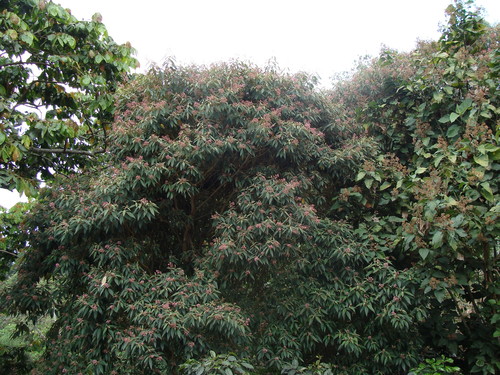
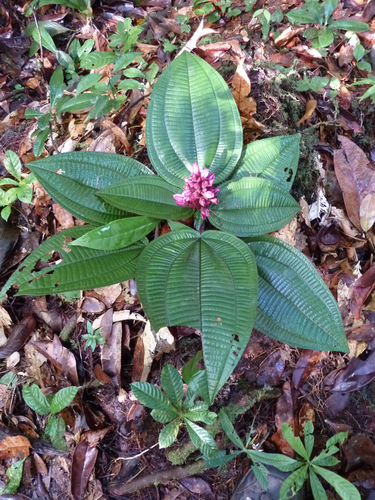
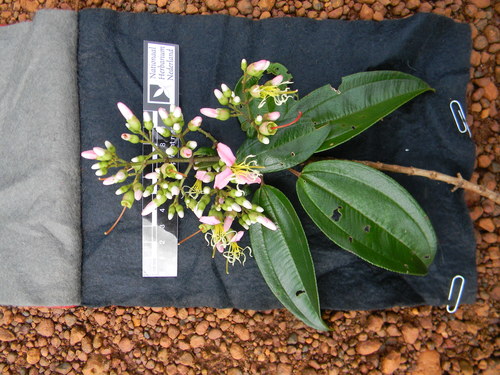
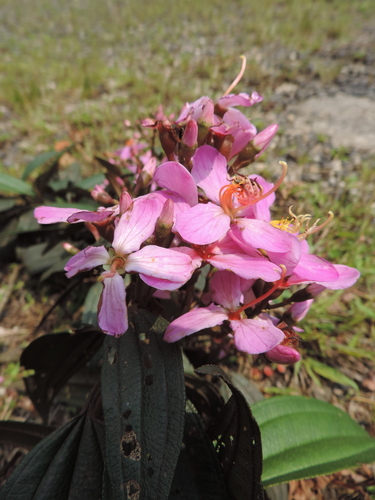
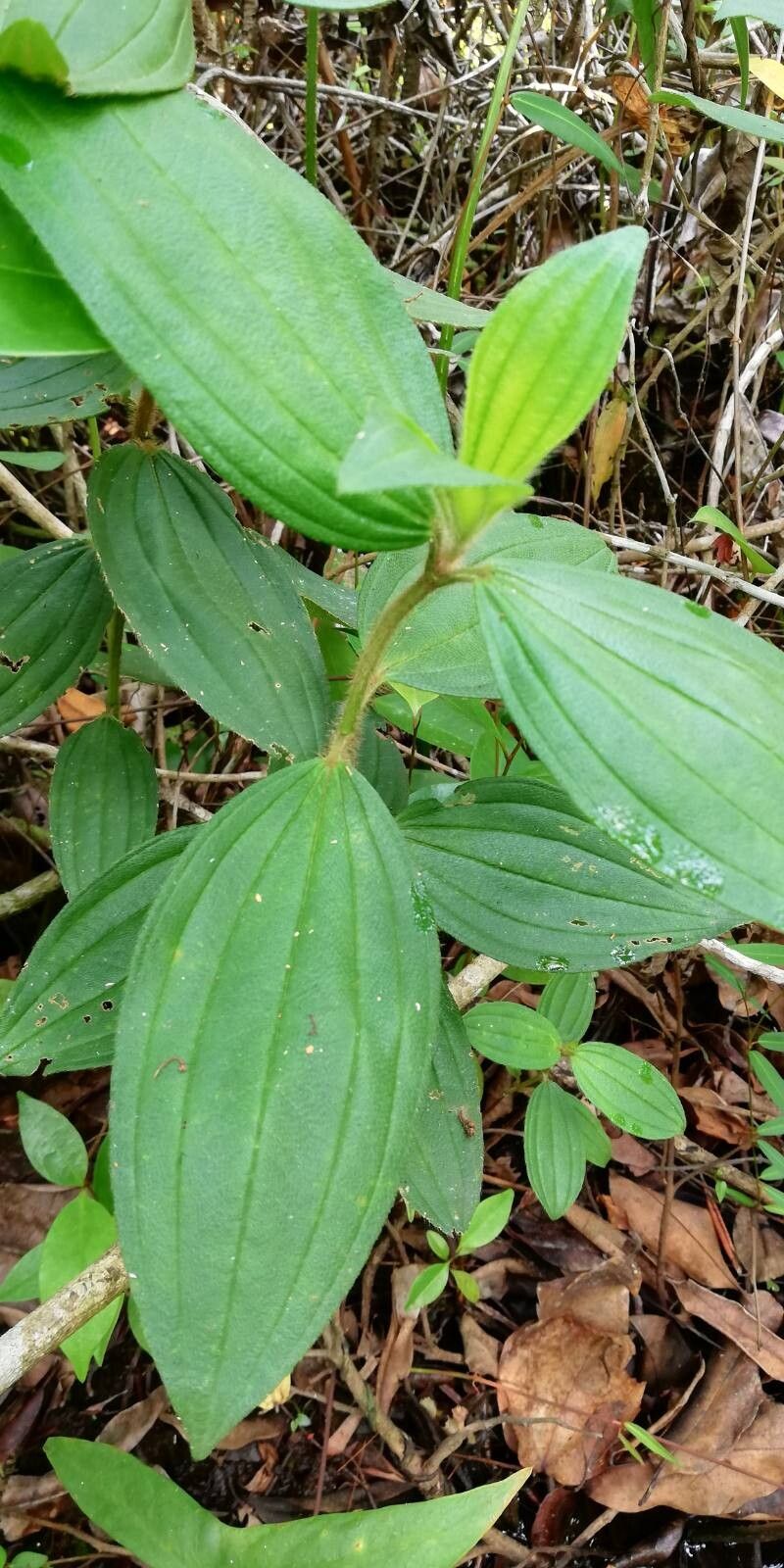
A partly woody bush. It keeps growing from year to year but puts up annual stems 2 m high. The leaves and stems are hairy. The leaves are simple and oval and taper to the tip. There are 2 strong veins along the leaf. Leaves are green above and more pale underneath. The flowers are purple.
Edible Uses
The leaves are edible.
Distribution
It is a tropical plant. It grows in moist places and in dry upland bush in West Africa. It grows in palm groves and wet grass savannah.
Where It Grows
Africa, Burkina Faso, Central Africa, Congo, East Africa, Ethiopia, Gambia, Ghana, Guinea, Guinée, Guinea-Bissau, Kenya, Malawi, Mozambique, Nigeria, Senegal, Sierra Leone, Southern Africa, Tanzania, Uganda, West Africa, Zambia, Zimbabwe,
Notes
There are 2 or 3 Antherotoma species.
Synonyms
Also Known As
Colidjoi