Adenodolichos paniculatus
(Hua) Hutch. & Dalz.
iNaturalist· cc-by-nc
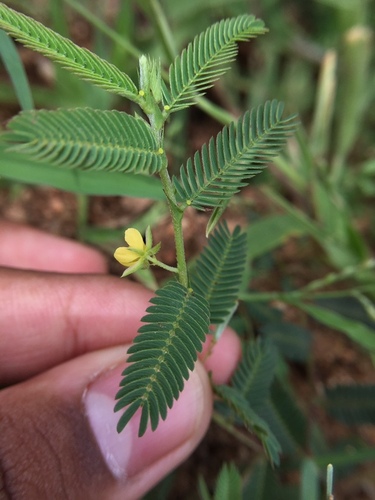
(c) Umar Musa, some rights reserved (CC BY-NC), uploaded by Umar Musa
iNaturalist· cc-by-nc
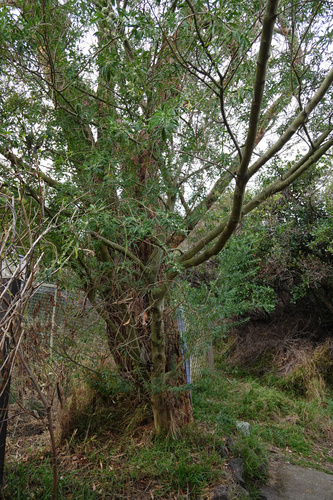
(c) Umar Musa, some rights reserved (CC BY-NC), uploaded by Umar Musa
iNaturalist· cc-by-nc
(c) Umar Musa, some rights reserved (CC BY-NC), uploaded by Umar Musa
Summary
Source: WikipediaAdenodolichos paniculatus is a plant in the legume family Fabaceae, native to tropical Africa. The specific epithet means 'with panicles', referring to the plant's many-branched inflorescence.
Description
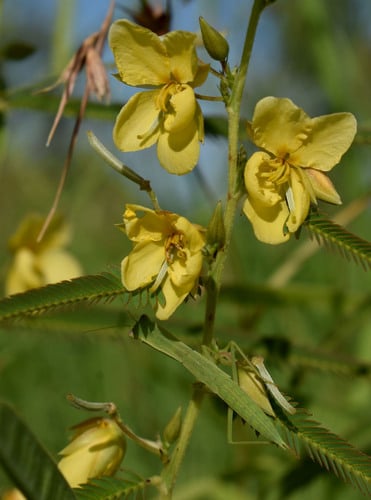
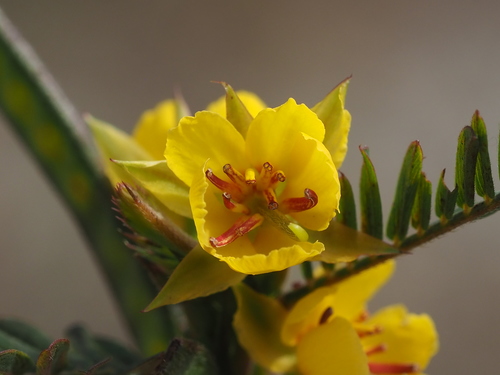
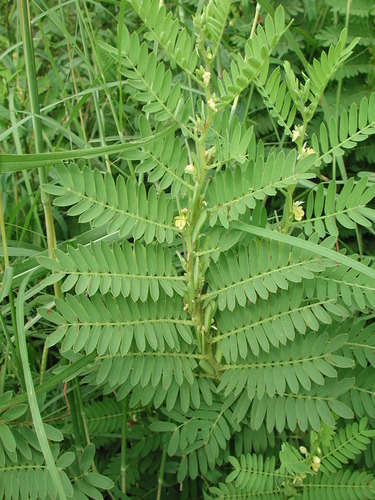
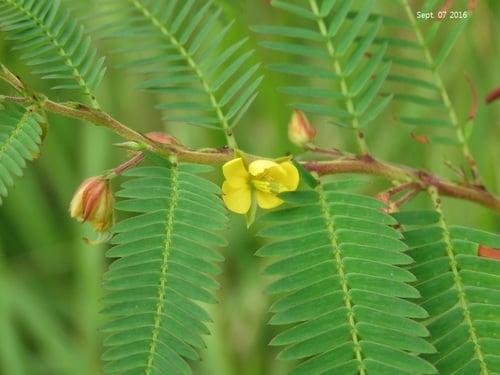
A shrub. It grows 4 m high. It keeps growing from year to year. It is half woody. The young stems are flattened. They have rust velvety hairs that fall off. The flowers have a pinkish keel and yellow standards.
Edible Uses
The leaves are eaten. Stems may also be edible.
Traditional Uses
Africa, Benin, Burkina Faso, Cameroon, Central Africa, Central African Republic, CAR, Chad, Congo, East Africa, Ghana, Guinea, Guinée, Nigeria, Sudan, Togo, Uganda, West Africa,
Medicinal Uses
The leaf is mashed with oil and applied topically as a dressing for treating burns. The leaf has been used in the treatment of toothache. A decoction of the root has been used in the treatment of blenorrhoea and liver troubles A methanolic leaf extract has been shown to possess analgesis and anti-inflammatory properties, thus supporting the ethno-medical claims for the use of the plant in the management of painful and inflammatory conditions
Distribution
It is a tropical plant. It grows in savannah and jungle. It grows between 900-1,350 m above sea level.
Where It Grows
Woodland; scrub; grassland with scattered low trees; wooded savannahs on hardpan; regrowths; at elevations from 900 - 1,350 metres.
Cultivation
Adenodolichos species are usually among the first plants to appear after bush fires, resprouting from their underground rootstock.
Other Uses
The coarse stems of several species in this genus are used as roofing ties in traditional hut construction. The leaf is used to wrap the hands or feet when staining them with henna
Production
The leaves are food for an edible caterpillar.
Synonyms
Also Known As
Dullube, Goubabo, Kilikainawa, Kwaiwa, Kwiiwaa, Kwiiyaa, Piraquina, Waken wuta
References (4)
- Bonou, A., et al, 2013, Valeur economique des Produits Forestiers Non Ligneux (PFNL) au Benin. Editions Universitaires Europeennes p 93
- Burkill, H. M., 1985, The useful plants of west tropical Africa, Vol. 3. Kew.
- Chapman, J. D. & Chapman, H. M., 2001, The Forest Flora of Taraba and Andamawa States, Nigeria. WWF & University of Canterbury. p 184
- Global Plants JSTOR