Mystroxylon aethiopicum
(Thunb.) Loes.
Transvaal kooboo-berry
iNaturalist· cc-by-nc
(c) Troos van der Merwe, some rights reserved (CC BY-NC), uploaded by Troos van der Merwe
iNaturalist· cc-by-nc
(c) setlhare, some rights reserved (CC BY-NC)
iNaturalist· cc-by-nc
(c) setlhare, some rights reserved (CC BY-NC)
Description
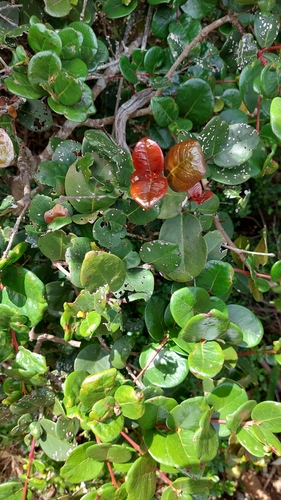
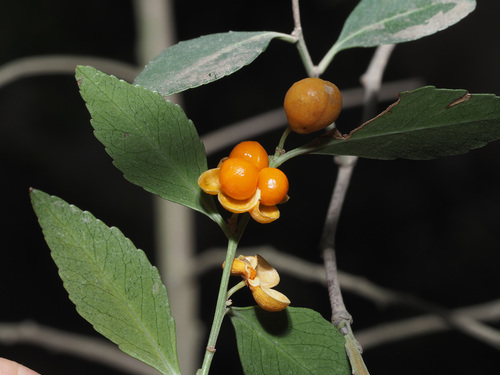
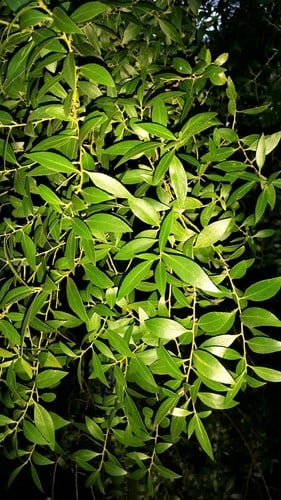
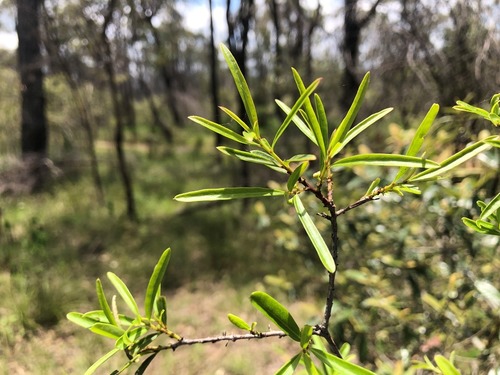
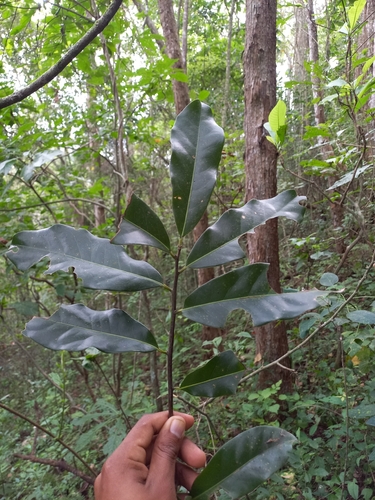
An evergreen tree. It has several stems and grows 12 m tall. The crown is spreading. The young bark is smooth and grey but it becomes rough. The young branches are flattened. The leaves are dark green. They are simple and arranged in spirals. The flowers are in sprays with about 20 flowers. The fruit is fleshy with a stone inside. It is about 1 cm long and has a sweet edible pulp.
Edible Uses
The fruit is eaten as a dessert fruit with sweet pulp. The leaves are used to make tea, and the bark is used to make a tea infusion as a drink.
Traditional Uses
The bark is used to make a tea infusion. The fruit are used as a dessert fruit.
This uses section is brief — help expand it
Medicinal Uses
The bark is used to make a tea infusion.
Known Hazards
None mentioned.
Distribution
It is a tropical plant. It grows in the mountain forest in West Africa. It is widespread over tropical Africa from sea level to 2,000 m altitude. It can tolerate drought. It can grow in arid places.
Where It Grows
Africa, Angola, Botswana, Cameroon, Central Africa, Comoros, Congo, East Africa, Eswatini, Ethiopia, Guinea, Guinée, Kenya, Madagascar, Malawi, Mozambique, Namibia, Nigeria, Rwanda, Seychelles, South Africa, Southern Africa, Sudan, Swaziland, Tanzania, Uganda, West Africa, Zambia, Zimbabwe,
Cultivation
The plant is grown from seeds. The flesh needs to removed from the seed. The seeds are planted in sand in a warm moist spot. Seeds germinate in 2-3 weeks.
Other Uses
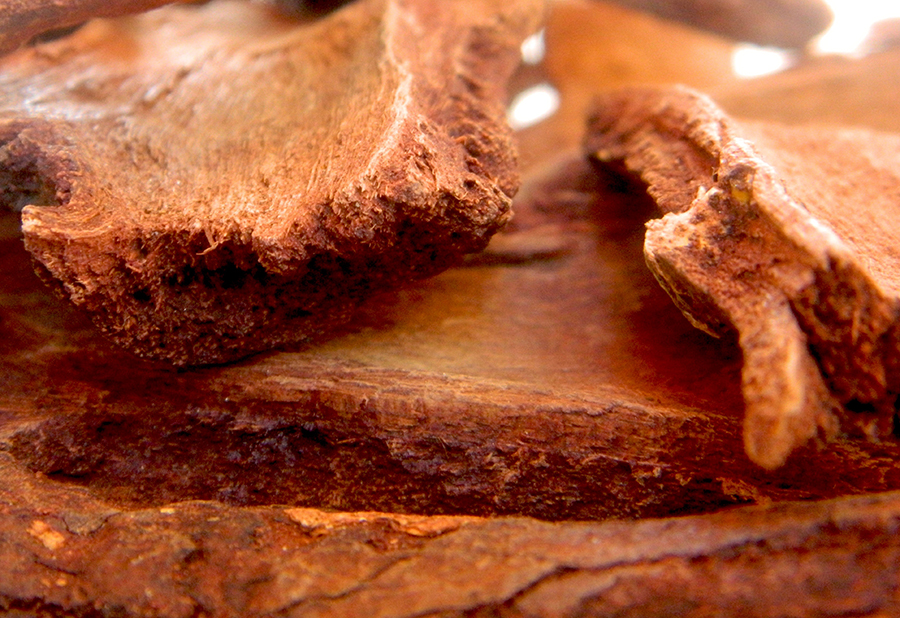
The bark yields a brownish dye. The wood is used to make knob-kerries, wooden spoons, tool handles, for hut-construction and furniture. The wood is used for fuel.
Production
It is fairly fast growing.
Other Information
The fruit are occasionally eaten.
Nutrition
| Part | Moisture | kJ | kcal | Protein | Vit A | Vit C | Iron | Zinc |
|---|---|---|---|---|---|---|---|---|
| Fruit | 68 | 337 | 81 | 3.6 | — | — | — | — |
Synonyms
Also Known As
Ingukutane, Lishasha, Mudangwa, Mtunda kunguru, Olgdonga, Petchua, Sehlulamanya, Umboyi
References (14)
- Burkill, H. M., 1985, The useful plants of west tropical Africa, Vol. 1. Kew.
- Fowler, D. G., 2007, Zambian Plants: Their Vernacular Names and Uses. Kew. p 17
- Kuhnlein, H. V., et al, 2009, Indigenous Peoples' food systems. FAO Rome p 239
- Long, C., 2005, Swaziland's Flora - siSwati names and Uses http://www.sntc.org.sz/flora/
- Lovett, J. C. et al, Field Guide to the Moist Forest Trees of Tanzania. p 34
Show all 14 references Hide references
- Magwede, K., van Wyk, B.-E., & van Wyk, A. E., 2019, An inventory of Vhavenḓa useful plants. South African Journal of Botany 122 (2019) 57–89
- Mannheimer, C. A. & Curtis. B.A. (eds), 2009, Le Roux and Muller's Field Guide to the Trees and Shrubs of Namibia. Windhoek: Macmillan Education Namibia. p 298
- Msuya, T. S., et al, 2010, Availability, Preference and Consumption of Indigenous Foods in the Eastern Arc Mountains, Tanzania, Ecology of Food and Nutrition, 49:3, 208-227
- Mutie, F. M., et al, 2023, Important Medicinal and Food Taxa (Orders and Families) in Kenya, Based on Three Quantitative Approaches. Plants 2023, 12, 1145
- Royal Botanic Gardens, Kew (1999). Survey of Economic Plants for Arid and Semi-Arid Lands (SEPASAL) database. Published on the Internet; http://www.rbgkew.org.uk/ceb/sepasal/internet [Accessed 7th April 2011]
- Schmidt, E., Lotter, M., & McCleland, W., 2007, Trees and shrubs of Mpumalanga and Kruger National Park. Jacana Media p 334
- Venter, F & J., 2009, Making the most of Indigenous Trees. Briza. p 216
- World Checklist of Useful Plant Species 2020. Royal Botanic Gardens, Kew
- www.zimbabweflora.co.zw 2011