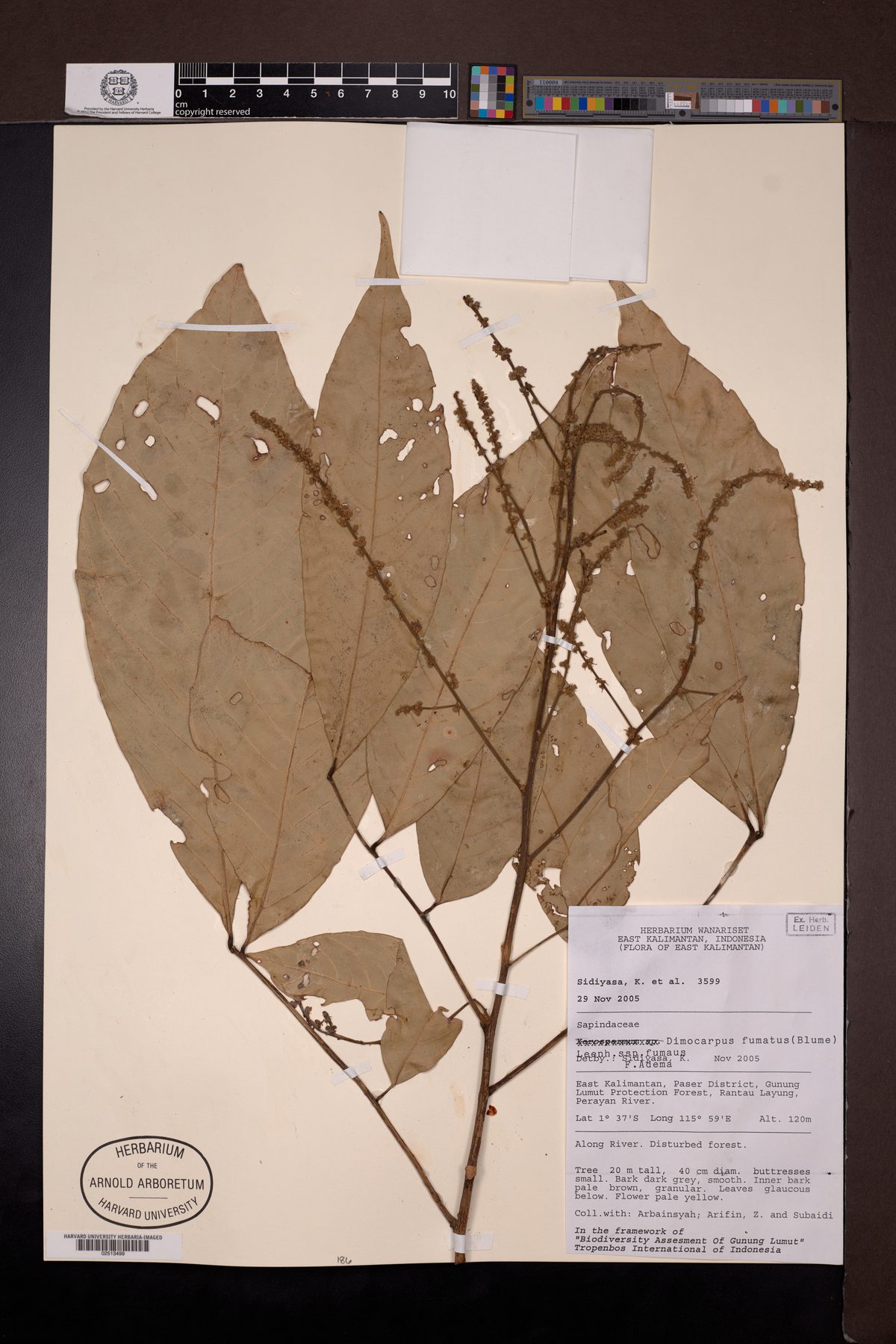
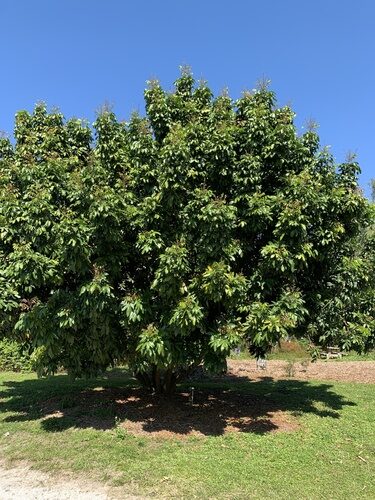
Acer saccharum subsp. grandidentatum
(Torr. & A. Gray) Desmarius
Big tooth maple
gbif· cc0
Conveyor Belt
gbif· cc0
Public Domain
gbif· cc0
Public Domain
Summary
Source: WikipediaAcer saccharum, the sugar maple, is a species of flowering plant in the soapberry and lychee family Sapindaceae. It is native to the hardwood forests of eastern Canada and the eastern United States. Sugar maple is best known for being the primary source of maple syrup and for its brightly colored autumn foliage. It may also be called "rock maple," "sugar tree," "sweet maple," or, particularly in reference to the wood, "hard maple," "birds-eye maple," or "curly maple," the last two being specially figured lumber.
Description
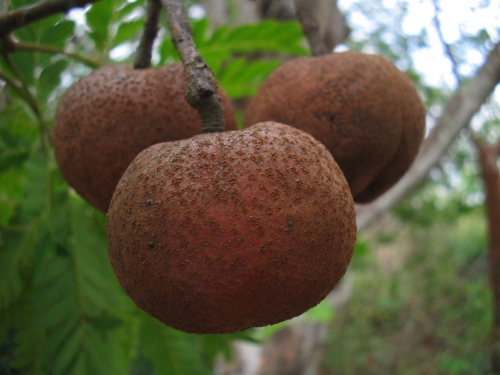
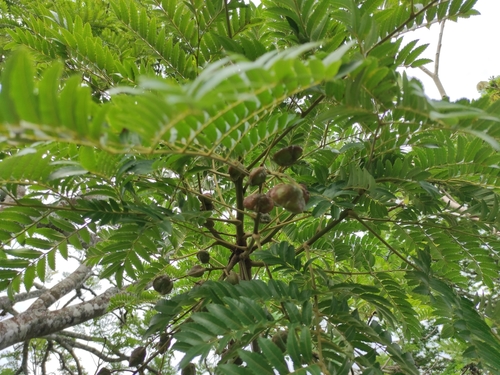
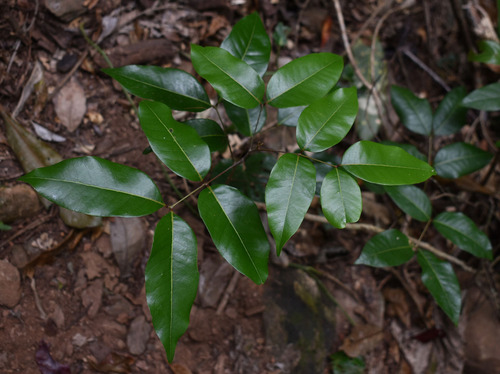
A shrub or small tree. It grows 5 m tall. There are prickles along the stem. The leaves are twice divided and there are 8-18 pairs of pinnae. There are up to 50 pairs of pinnules on each pinnae. The flowers are yellow. They are in large clusters at the ends of branches. The pods are flattened.
Edible Uses
The sugar maple is one of the most important Canadian trees, being, with the black maple, the major source of sap for making maple syrup. Other maple species can be used as a sap source for maple syrup, but some have lower sugar content and/or produce more cloudy syrup than these two. In maple syrup production from Acer saccharum, the sap is extracted from the trees using a tap placed into a hole drilled through the phloem, just inside the bark. The collected sap is then boiled. As the sap boils, the water evaporates and the syrup is left behind. Forty gallons of maple sap produces 1 gallon of syrup. In the southern part of their range, sugar maples produce little sap; syrup production is dependent on the tree growing in cooler climates. Additionally, the samaras (seeds) can be soaked, and—with their wings removed—boiled, seasoned, and roasted to make them edible. The young leaves and inner bark can be eaten either raw or cooked.
Traditional Uses
The sap of the tree is used as a source of sugar. It produces Maple syrup. The inner bark can be cooked, dried, ground into flour then used to thicken soups. The seeds with the wings removed can be boiled and eaten.
Distribution
It is a temperate plant. It occurs naturally in valleys at 1200 - 2100 metres. It grows well on moist well drained soils. When trees are dormant they can withstand temperatures to -45°C.
Where It Grows
Canada, North America, USA,
Cultivation
Many seed do not germinate. Seed should be pre-soaked for 24 hours then kept cold at 0-8°C for 2-4 months to assist them to grown. Seed can be sown fresh if green seeds are used. Layering or cuttings can be used.
Production
The sap can be tapped within 10 - 15 years from seed.
Notes
There are about 120-150 Acer species.
Also Known As
Bigtooth Maple, Canyon Maple
References (4)
- Brittonia 7:383. 1952
- Facciola, S., 1998, Cornucopia 2: a Source Book of Edible Plants. Kampong Publications. p 1 (As Acer grandidentatum)
- Kermath, B. M., et al, 2014, Food Plants in the Americas: A survey of the domesticated, cultivated and wild plants used for Human food in North, Central and South America and the Caribbean. On line draft. p 14
- Plants for a Future database, The Field, Penpol, Lostwithiel, Cornwall, PL22 0NG, UK. http://www.scs.leeds.ac.uk/pfaf/