Commiphora glandulosa
Schinz
Glandular corkwood, Tall firethorn corkwood
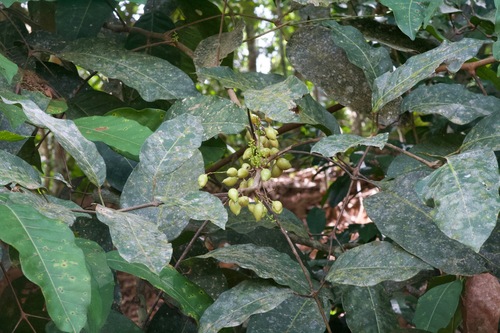
iNaturalist· cc-by-nc-nd
(c) David Gwynne-Evans, some rights reserved (CC BY-NC-ND), uploaded by David Gwynne-Evans
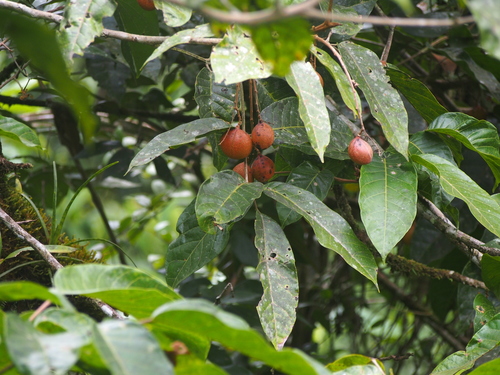
iNaturalist· cc-by
(c) Wynand Uys, some rights reserved (CC BY)
iNaturalist· cc-by
(c) Wynand Uys, some rights reserved (CC BY)
Description
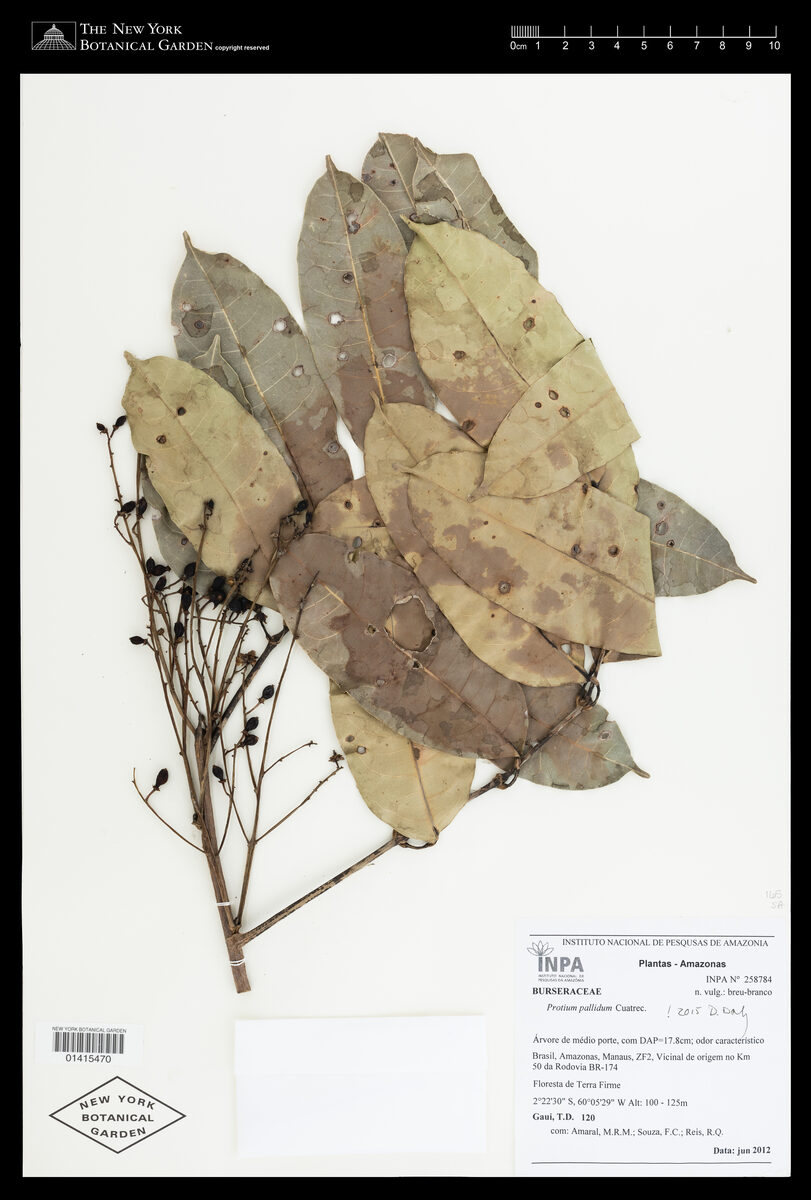
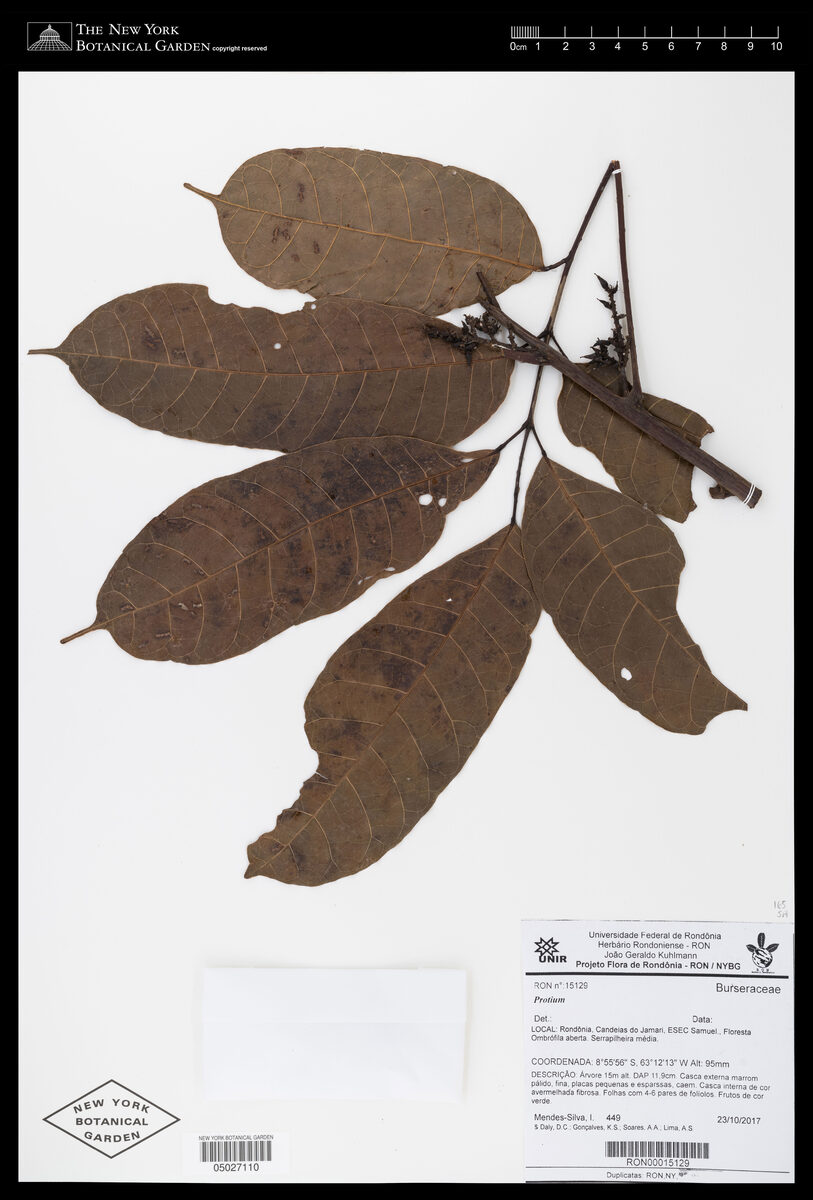
A shrub or tree. It is erect with a single stem. It can grow 10 m high. The bark is grey to green. The leaves have an unpleasant smell. The are usually simple but can have 3 leaflets. The male and female flowers are often on separate plants. The flowers are small. The fruit are round and 14 mm across.
Edible Uses
The gum is edible though bitter. The root contains water with a sweet taste that is drunk during times of drought.
Traditional Uses
The gum is bitter but edible. The root has a sweet tasting water eaten in times of drought.
This uses section is brief — help expand it
Distribution
It is a tropical plant. It grows in hot arid areas with a marked dry season. It grows in areas with a rainfall below 100 mm per year. It can grow on a range of soils providing they are well drained. In southern Africa it grows between 30-1,550 m above sea level. It can grow in arid places.
Where It Grows
Africa, Angola, Botswana, Central Africa, Congo, East Africa, Eswatini, Malawi, Mozambique, Namibia, South Africa, Southern Africa, Swaziland, Tanzania, Zambia, Zimbabwe,
Cultivation
Prefers a sunny position. Requires a well-drained soil, preferably of a sandy nature. When young, the plant produces a nice swollen truck, but when the stem reach three to eight metres, it slims out. Usually a dioecious species, though polygamous forms also exist, In general, both male and female forms need to be grown if fruit and seed are required.
Propagation
Seed - Cuttings
Other Uses
A white, opaque and very brittle inedible gum exudes from the tree. It is soaked, cooked a little and then used as a substitute for washing powder. The pale-yellowish wood is surprisingly light in weight. It is carved into various items and is used for household utensils, stools etc. The stems are often planted to develop into live fences.
Synonyms
Also Known As
Chifata, Iminyela, Khoro, Liminyela, Mbwabwa, Moroko, Mugrowo, Mukwendekekwende, Munvuca, Munyera, Mutalu, Omukange, Seroka, Siroga
References (5)
- Long, C., 2005, Swaziland's Flora - siSwati names and Uses http://www.sntc.org.sz/flora/
- Roodt, V., 1998, Trees & Shrubs of the Okavango Delta. Medicinal Uses and Nutritional value. The Shell Field Guide Series: Part 1. Shell Botswana. p 193
- Royal Botanic Gardens, Kew (1999). Survey of Economic Plants for Arid and Semi-Arid Lands (SEPASAL) database. Published on the Internet; http://www.rbgkew.org.uk/ceb/sepasal/internet [Accessed 4th April 2011]
- World Checklist of Useful Plant Species 2020. Royal Botanic Gardens, Kew
- www.zimbabweflora.co.zw 2011