Ceropegia rendallii
N. E. Br.
Pagodas
iNaturalist· cc-by-nd
(c) Kyle Campbell, some rights reserved (CC BY-ND), uploaded by Kyle Campbell
iNaturalist· cc-by-nc
(c) Richard Gill, some rights reserved (CC BY-NC)
iNaturalist· cc-by-nc
(c) Richard Gill, some rights reserved (CC BY-NC)
Description
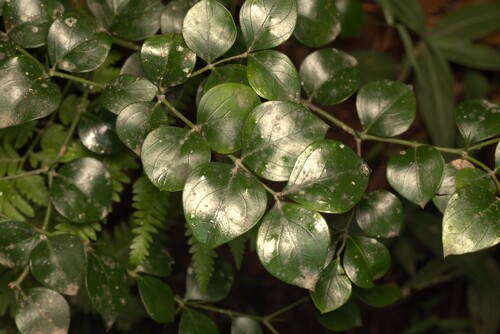
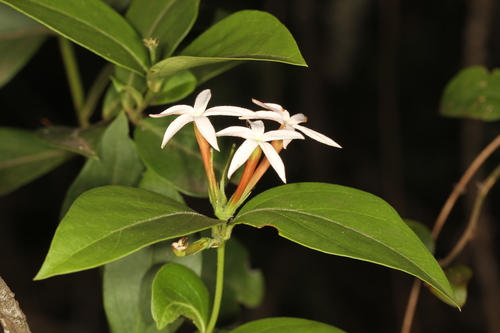
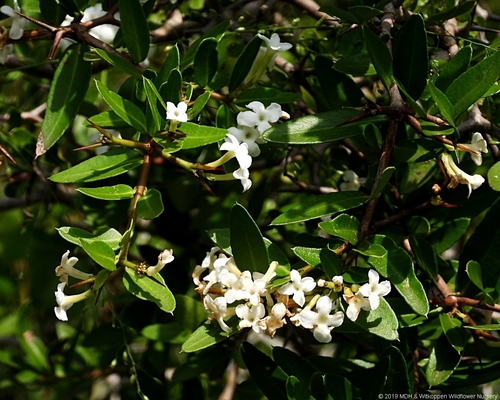
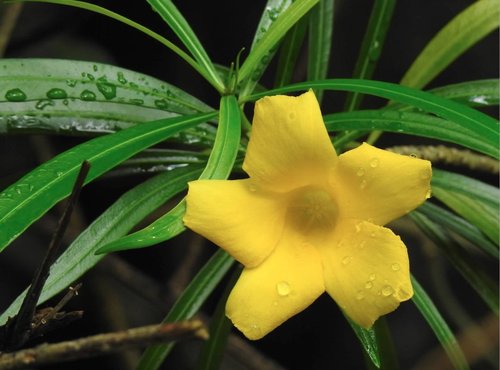
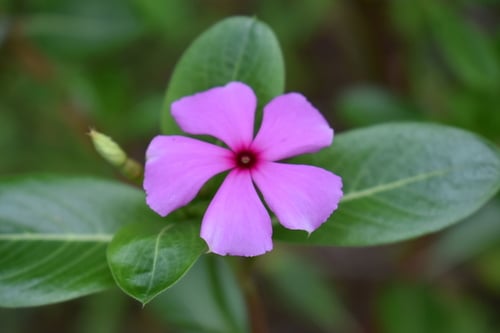
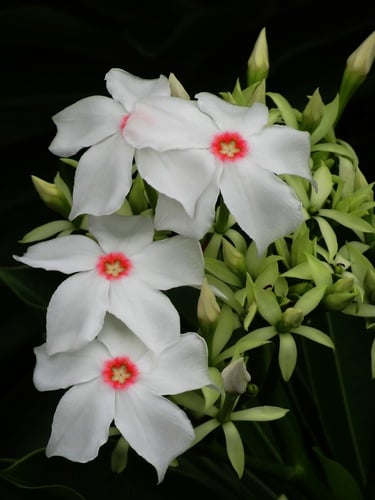
A twining vine plant. It has round white tubers. They are about 3 cm across. The vines are thin and can be 1 m long. The leaves are fleshy and oval. They are greyish-green. The flowers are purple or cream. They are 2-2.5 cm long. They occur in groups of 1- on short stalks.
Edible Uses
The roots are peeled, roasted, and eaten. The tubers and leaves are also edible.
Traditional Uses
The roots are peeled, roasted and eaten.
This uses section is brief — help expand it
Distribution
It is a tropical and subtropical plant. It grows in well drained soil. It often grows amongst rocks and on slopes in shady places.
Where It Grows
Africa, Australia, Botswana, East Africa, Eswatini, Mozambique, South Africa*, Southern Africa, Swaziland, USA, Zimbabwe,
Cultivation
It can be grown from seeds or cuttings. It can also be grown from tubers. Seeds should be sown fresh.
Production
It grows in the desert but tubers are largest in the rainy season.
Notes
Also put in the family Asclepiadaceae.
Synonyms
Also Known As
Serowe
References (6)
- Fox, F. W. & Young, M. E. N., 1982, Food from the Veld. Delta Books. p 107
- Long, C., 2005, Swaziland's Flora - siSwati names and Uses http://www.sntc.org.sz/flora/
- Plowes, N. J. & Taylor, F. W., 1997, The Processing of Indigenous Fruits and other Wildfoods of Southern Africa. in Smartt, L. & Haq. (Eds) Domestication, Production and Utilization of New Crops. ICUC p 187
- Ruiters-Welcome, A. K., 2019, Food plants of southern Africa. Ph.D. thesis. Univ. of Johannesburg p 23
- van Wyk, Be., & Gericke, N., 2007, People's plants. A Guide to Useful Plants of Southern Africa. Briza. p 82
Show all 6 references Hide references
- Welcome, A. K. & Van Wyk, B.-E., 2019, An inventory and analysis of the food plants of southern Africa. South African Journal of Botany 122 (2019) 136–179