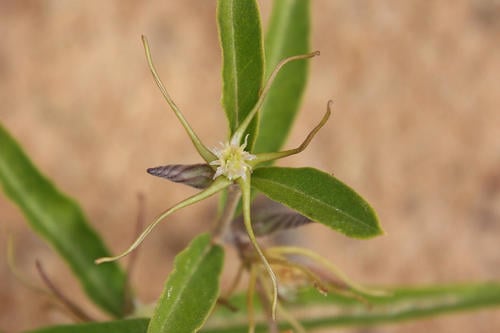
Ceropegia fortuita
R. A. Dyer
gbif· cc-by
Royal Botanic Gardens, Kew
gbif· cc-by-nc-sa
MBG
gbif· cc-by-nc-sa
MBG
Description
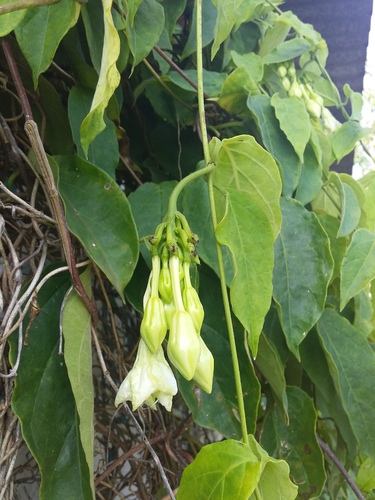
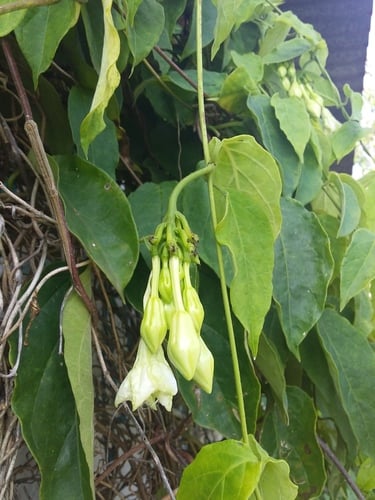
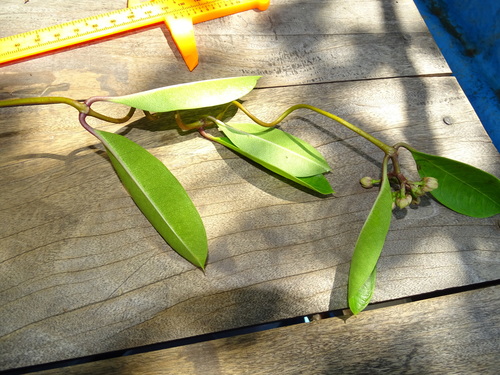
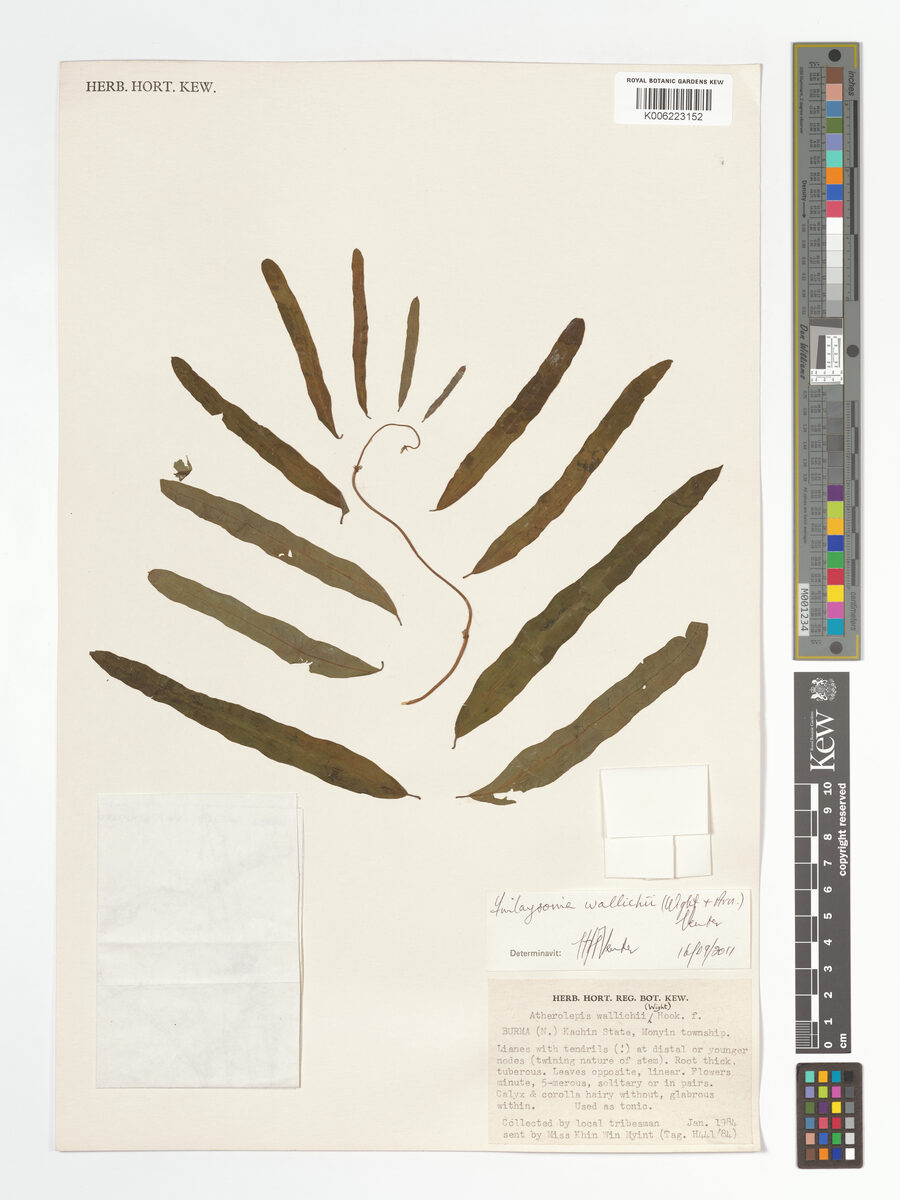
A succulent vine. It grows 1.5 m high. It has a tuberous root 5-15 cm wide. There can be secondary tubers. It has several very short stems. They are slender. There are only a few leaves. The leaf blade tapers to a triangle shaped point but is fattened below the middle. They are 1.5 cm long and wide. These carry a large number of flowers in groups of 1 or 2. The flowers are purple to green.
Edible Uses
The root and tubers are eaten, traditionally used as a famine food.
Distribution
It is a subtropical plant. It needs lots of sun. In Swaziland it grows at low altitudes. It grows in hot river valleys.
Where It Grows
Africa, East Africa, Eswatini, South Africa, Southern Africa, Swaziland, Zimbabwe,
Cultivation
Plants can be grown from seeds. Seeds should be sown fresh. It can also be grown from cuttings of the stem or from offsets of the tubers.
Other Information
A famine food.
Notes
Also put in the family Asclepiadaceae.
Synonyms
References (1)
- Long, C., 2005, Swaziland's Flora - siSwati names and Uses http://www.sntc.org.sz/flora/