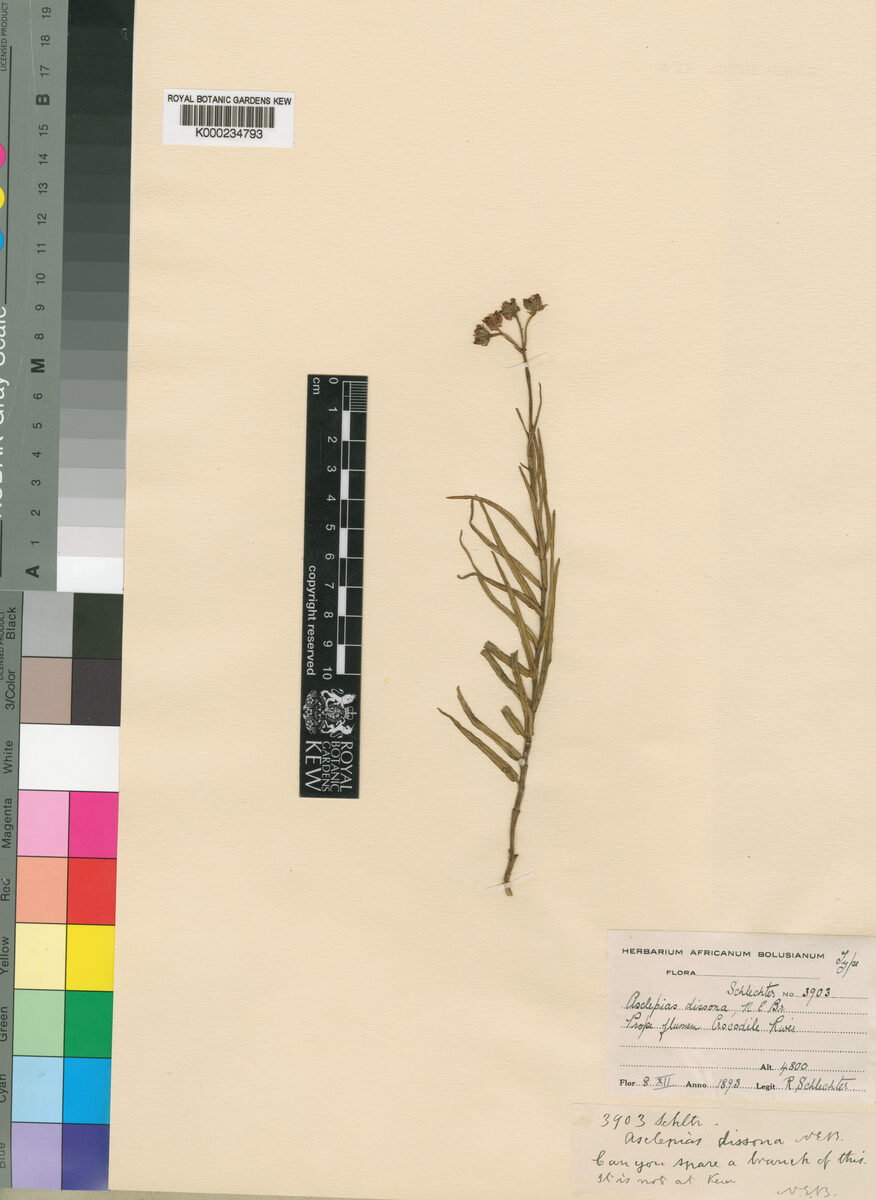
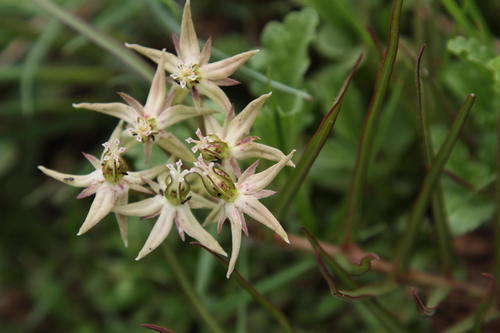
Macoubea guianensis
Aubl.
Pequia nut, Guianas macoubea
iNaturalist· cc-by-nc
(c) Sébastien SANT, some rights reserved (CC BY-NC), uploaded by Sébastien SANT
iNaturalist· cc-by-nc
(c) Sébastien SANT, some rights reserved (CC BY-NC), uploaded by Sébastien SANT
iNaturalist· cc-by-nc
(c) Geovane Siqueira, some rights reserved (CC BY-NC)
Description
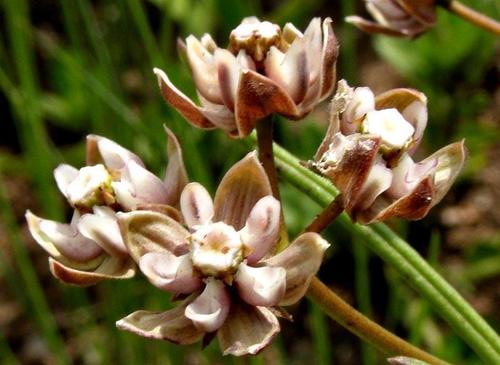
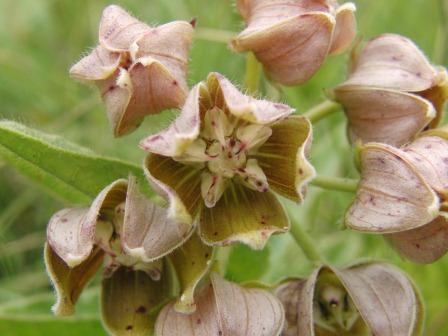
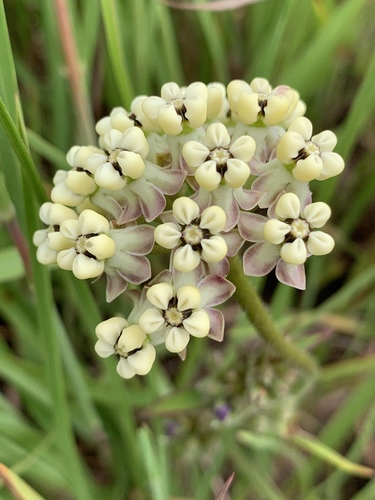
A tree. It grows 35 m tall. It does not have buttresses. The leaves are opposite. The flowers are in groups at the ends of branches and are 6 cm wide. The flower stalk is 6 cm long. The fruit has 2 one-seeded parts but usually only one develops. The fruit are half round and 8 cm long by 7.5 cm wide. They can be 12 cm wide. They are dark brown to black with white spots. The pulp is white, slimy, edible and sweet. The seeds are cylinder shaped and 2.2 cm long by 0.5 cm wide. They are deeply furrowed.
Edible Uses
The white pulp of the fruit is eaten raw. The seeds (nuts) are edible, and the latex is used for chewing gum.
Traditional Uses
The pulp of the fruit is eaten raw. The latex is used for chewing gum.
This uses section is brief — help expand it
Distribution
A tropical plant. It can grow in rainforest or savanna.
Where It Grows
Amazon, Argentina, Bolivia, Brazil, Central America, Colombia, French Guiana, Guianas, Guyana, Panama, Peru, South America, Suriname, Venezuela,
Production
In Guyana plants flower in September and fruit in February.
Synonyms
Also Known As
Ackuke, Comido de loro, Folha grande, Gogode guariba, Huevas de toro, Jarabe huaco, Jarabe huayo, Ka'iankan ni, Loro micuna, Mapa, Momum, Pequea, Piquia, Pukaron, Rokoroko, Serva, Sokosoko, Sokosoko-mapa, Tawatoum'moi, Uarma-gogo, Yapukait
References (10)
- Allorge-Boiteau, L., Flora of the Guianas. 140 Apocynaceae p 121
- Fouqué, A. 1972. Espèces fruitières d'Amérique tropicale. Institut français de recherches fruitierès outre-mer (ifac)
- Grandtner, M. M., 2008, World Dictionary of Trees. Wood and Forest Science Department. Laval University, Quebec, Qc Canada. (Internet database http://www.wdt.qc.ca)
- Grandtner, M. M. & Chevrette, J., 2013, Dictionary of Trees, Volume 2: South America: Nomenclature, Taxonomy and Ecology. Academic Press p 370
- Kermath, B. M., et al, 2014, Food Plants in the Americas: A survey of the domesticated, cultivated and wild plants used for Human food in North, Central and South America and the Caribbean. On line draft. p 507
Show all 10 references Hide references
- Lopez-Diago, D. & Garcia, N., 2021, Wild edible fruits of Colombia. Biota ColomBiana 22 (2) p 29
- Martin, F. W., et al, 1987, Perennial Edible Fruits of the Tropics. USDA Handbook 642 p 82
- Reis, S. V. and Lipp, F. L., 1982, New Plant Sources for Drugs and Foods from the New York Botanical Garden herbarium. Harvard. p 242
- Roa, J. A. G. & Boada, D. S. G., 2018, Fundación para el Fortalecimiento de la Fruticultura y Plantas Alimenticias no Convencionales en Colombia.
- van Roosmalen, M.G.M., 1985, Fruits of the Guianan Flora. Utrecht Univ. & Wageningen Univ. p 27