Ceropegia crassifolia
Schltr.
iNaturalist· cc-by
(c) Sunčana Bradley, some rights reserved (CC BY), uploaded by Sunčana Bradley
iNaturalist· cc-by-nc
(c) Troos van der Merwe, some rights reserved (CC BY-NC), uploaded by Troos van der Merwe
iNaturalist· cc-by-nc
(c) Alex Dreyer, some rights reserved (CC BY-NC), uploaded by Alex Dreyer
Description
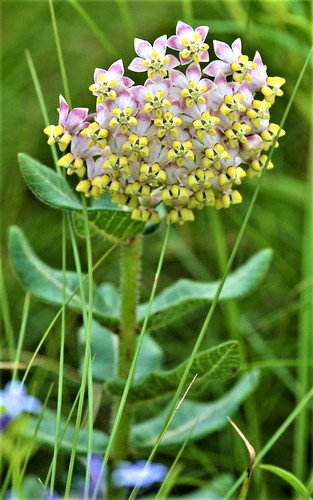
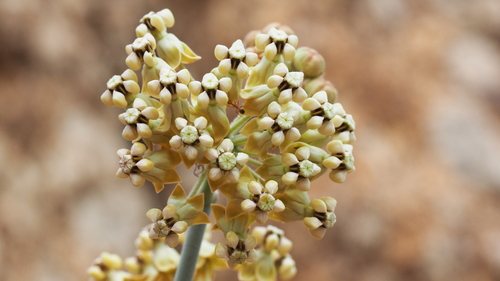
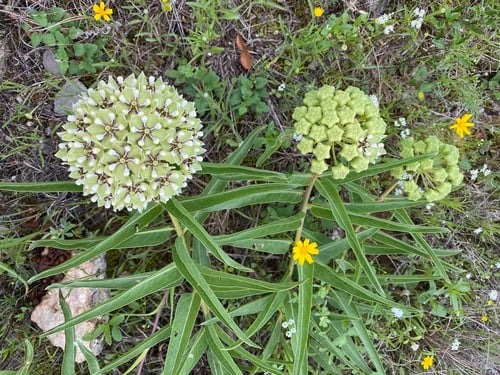
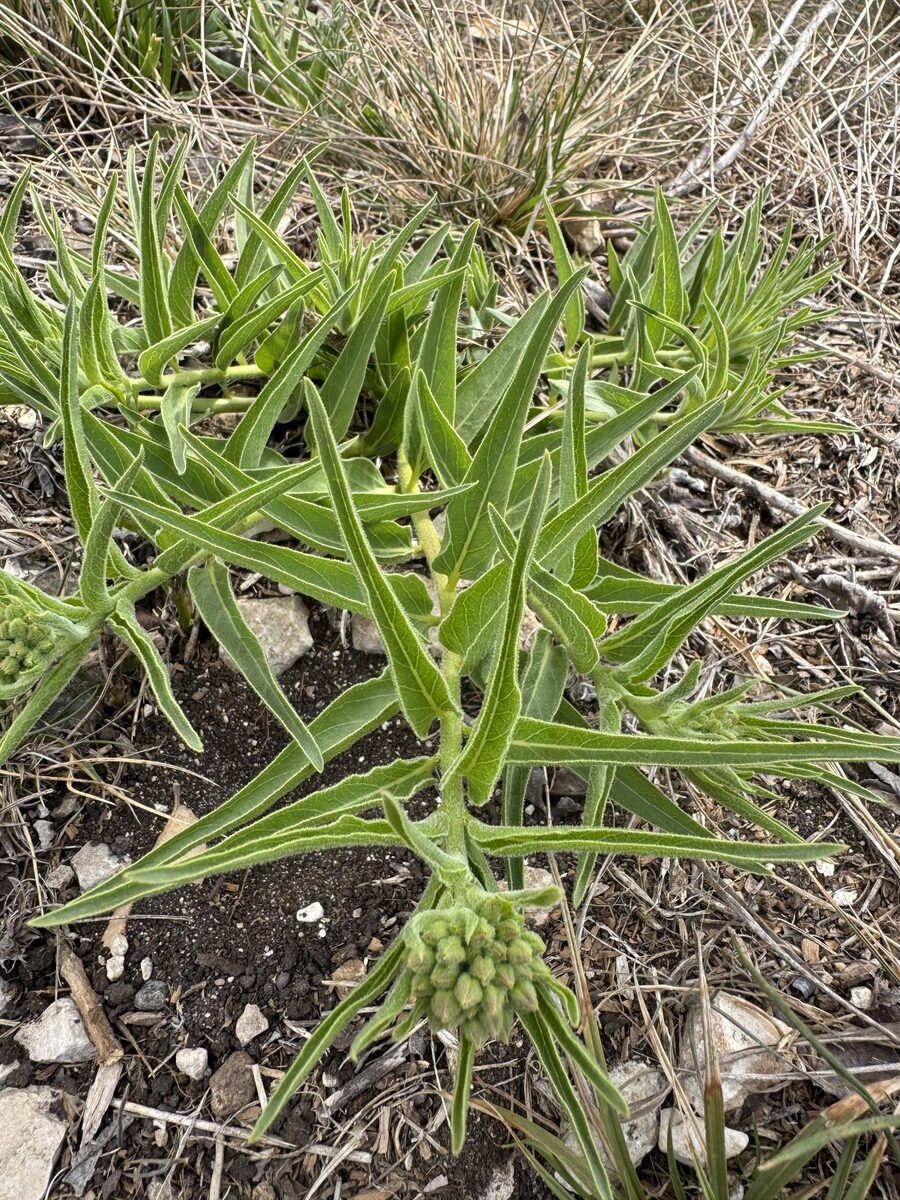
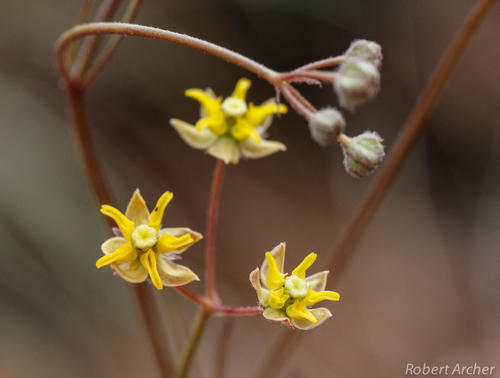
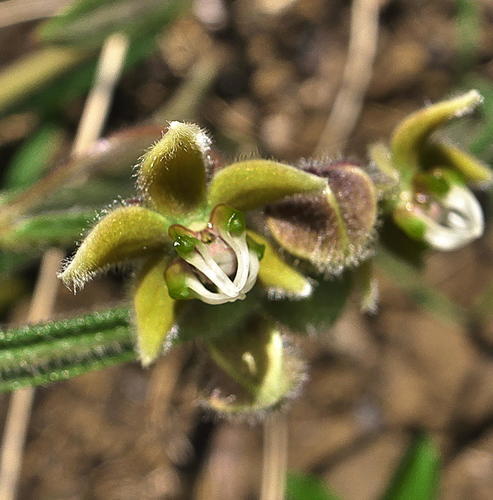
A vine. It has thick leaves. It is a succulent plant. It keeps growing from year to year with annual stems from the rootstock. It has a cluster of long fleshy roots. It grows about 1 m high. The leaves are simple and sword shaped. The flowers are green or cream. They are cup shaped.
Edible Uses
The roots and tubers are edible and are used as a famine food.
Distribution
It is a tropical plant. It is best in sun but can grow in light shade. It cannot tolerate frost. It is best in dry soils.
Where It Grows
Africa, Botswana, East Africa, Eswatini, Lesotho, Namibia, South Africa*, Southern Africa, Swaziland, USA, Zimbabwe,
Cultivation
It can be grown from seeds or stem cuttings. Seeds can be collected from dry pods and should be sown fresh.
Other Information
A famine food.
Notes
Also put in the family Asclepiadaceae.
Synonyms
References (4)
- Fox, F. W. & Young, M. E. N., 1982, Food from the Veld. Delta Books. p 108
- Long, C., 2005, Swaziland's Flora - siSwati names and Uses http://www.sntc.org.sz/flora/
- Ruiters-Welcome, A. K., 2019, Food plants of southern Africa. Ph.D. thesis. Univ. of Johannesburg p 23
- Welcome, A. K. & Van Wyk, B.-E., 2019, An inventory and analysis of the food plants of southern Africa. South African Journal of Botany 122 (2019) 136–179