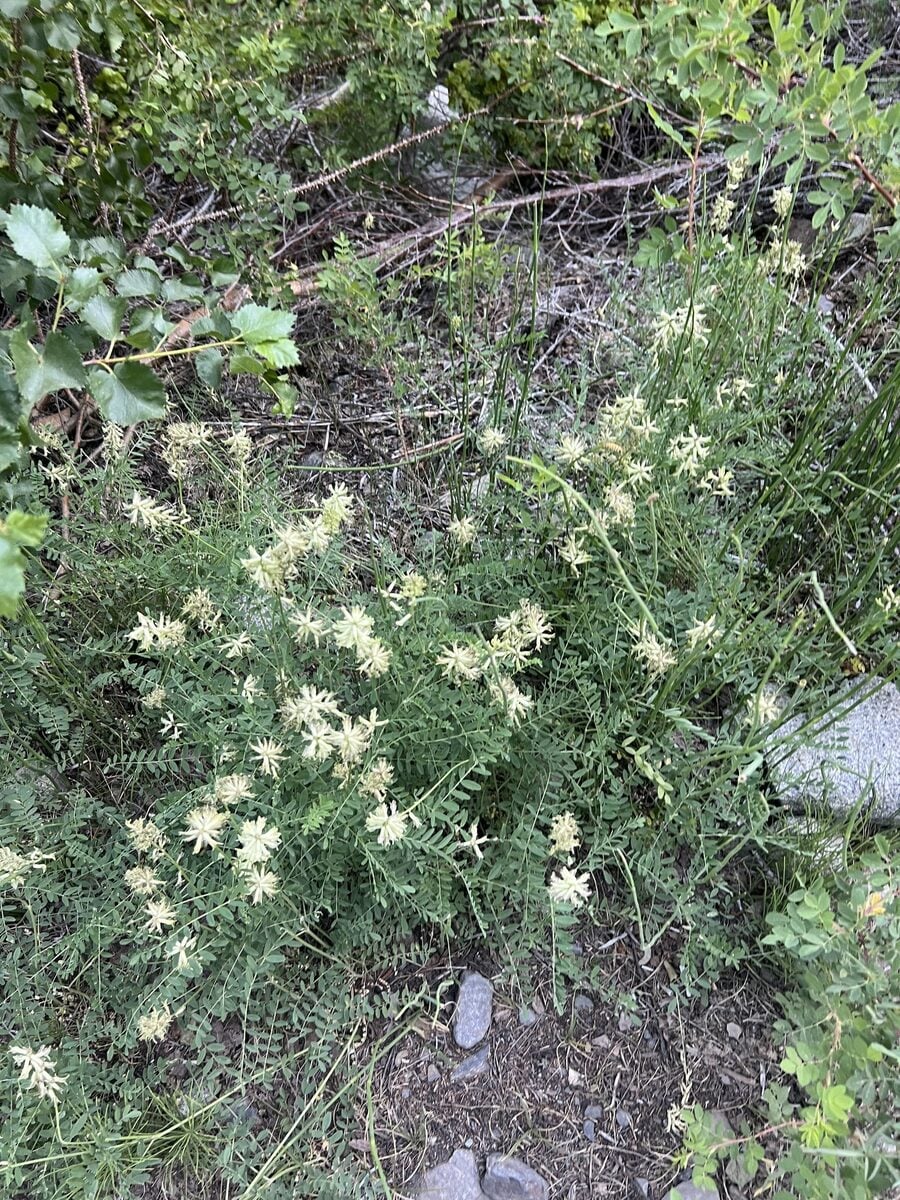
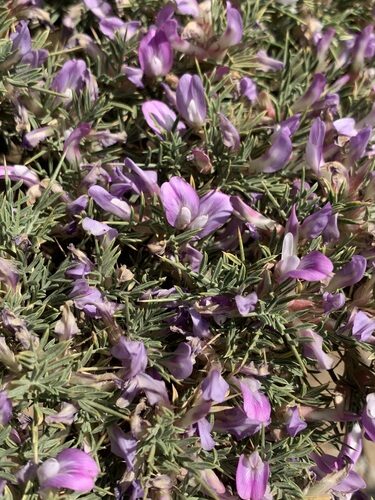
Hedysarum coronarium
L.
French honeysuckle, Italian sainfoin, Sulla sweetvetch
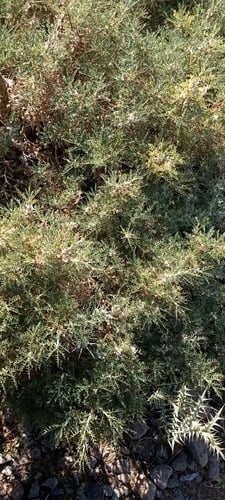
iNaturalist· cc-by-nc-sa
(c) Roberto Sindaco, some rights reserved (CC BY-NC-SA)
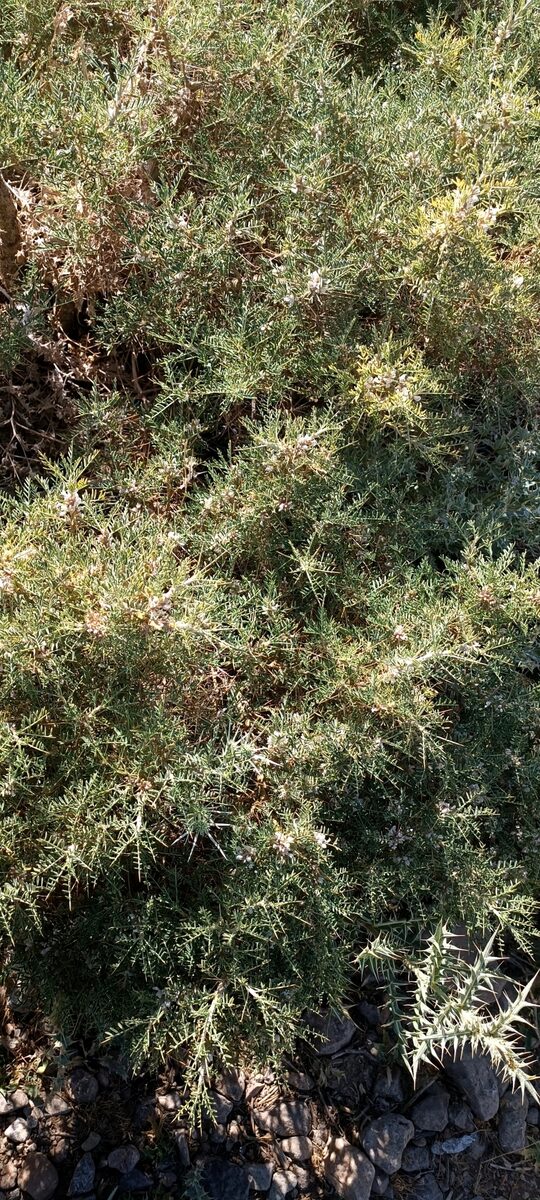
iNaturalist· cc-by-nc
(c) Jan-Åge Pedersen, some rights reserved (CC BY-NC)
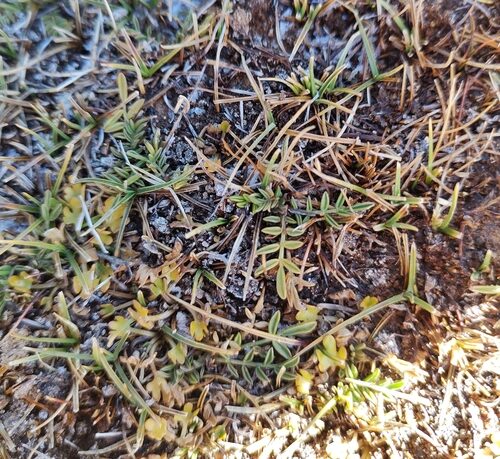
iNaturalist· cc-by
(c) Eleftherios Katsillis, some rights reserved (CC BY)
Description
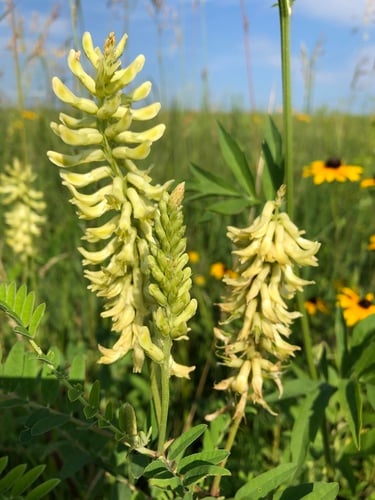
A herb. It has deep roots. It grows up to 1.5 m tall. The leaves have leaflets along the stalk and one at the end. There are 7-11 leaflets. The flowers are red. The fruit are jointed pods and made up of 2-4 sections. They are yellow and have a thorny surface. Possibly now Sulla coronaria (L.) Med.
Edible Uses
The leaves are eaten boiled and seasoned with oil and lemon, or scrambled with eggs. The stems can be sucked raw. The flowers are also edible.
Traditional Uses
The leaves are eaten boiled and seasoned with oil and lemon or scrambled with eggs. The stems are sucked raw.
This uses section is brief — help expand it
Distribution
It grows in Mediterranean climates. It is drought resistant. It needs fertile well-drained soil. It needs a rainfall above 450 mm. It can tolerate frost. It is best with alkaline soils.
Where It Grows
Algeria, Australia, Europe, Italy, Mediterranean*, Morocco, Sicily, Spain, Tasmania, Tunisia,
Cultivation
It can be grown from seeds.
Other Information
It is cultivated.
Also Known As
Spanish esparcet, Sudda, Sulla commune
References (7)
- Benvenuti, S. & Mazzoncini, M., 2021, The Biodiversity of Edible Flowers: Discovering New Tastes and New Health Benefits. Frontiers in Plant Science Article 569499.
- Geraci, A., et al, 2018, The wild taxa utilized as vegetables in Sicily (Italy): a traditional component of the Mediterranean diet. Journal of Ethnobiology and Ethnomedicine (2018) 14:14
- Lentini, F. and Venza, F., 2007, Wild food plants of popular use in Sicily. J Ethnobiol Ethnomedicine. 3: 15
- Nebel, S., Pieroni, A. & Heinrich, M., 2006, Ta cho`rta: Wild edible greens used in the Graecanic area in Calabria, Southern Italy. Appetite 47 (2006) 333–342
- Pasta, S., et al, 2020, An Updated Checklist of the Sicilian Native Edible Plants: Preserving the Traditional Ecological Knowledge of Century-Old Agro-Pastoral Landscapes. Frontiers in Plant Science. Volume 11|Article 388 (As Sulla)
Show all 7 references Hide references
- Tasmanian Herbarium Vascular Plants list p 29
- Zeven, A. C. & de West, J. M. J., 1982, Dictionary of cultivated plants and their regions of diversity. Wageningen. p 113