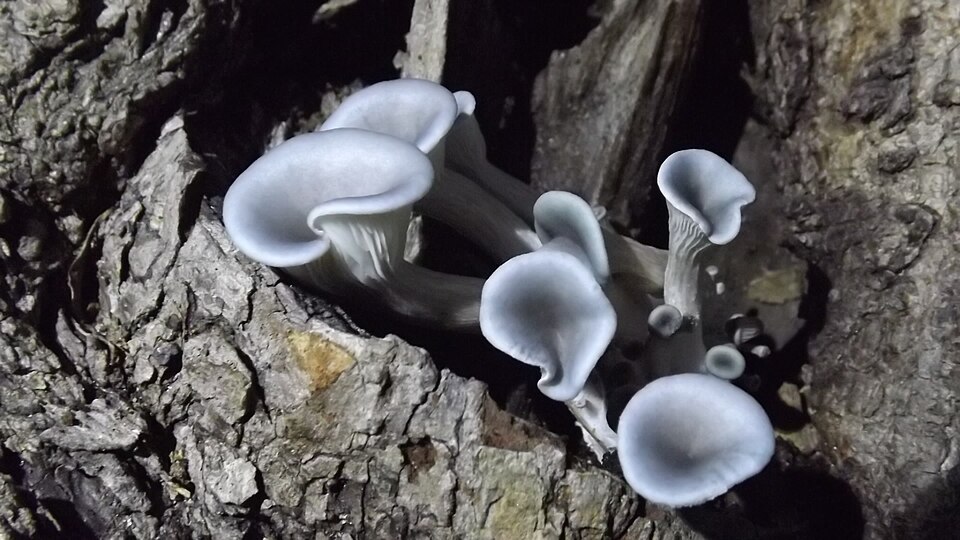
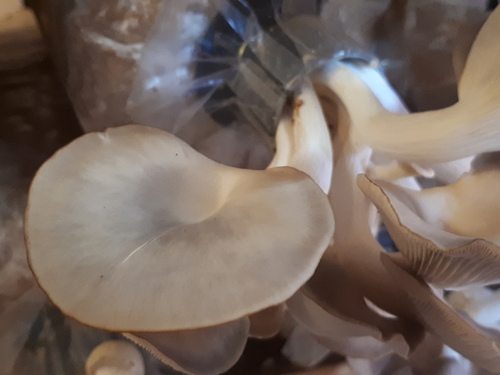
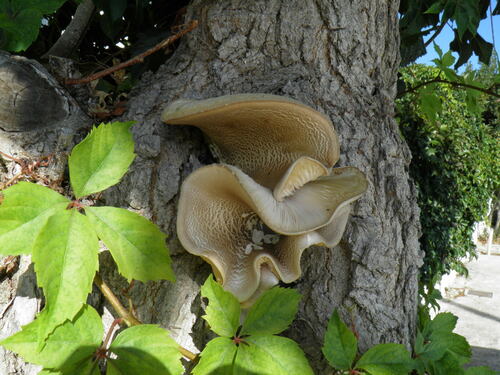
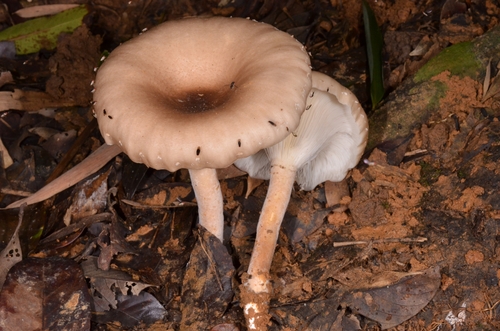
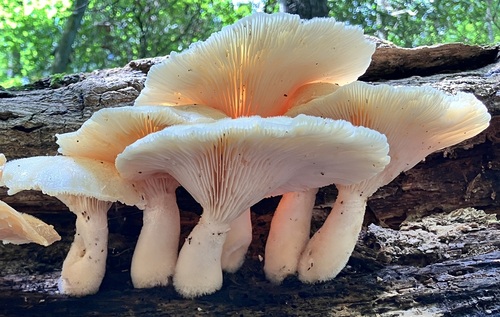
Pleurotus eryngii var. elaeoselini
(D. ex Fr.) Quel., Venturella, Zervakis & La Rocha
iNaturalist· cc-by
(c) Davide Puddu, some rights reserved (CC BY), uploaded by Davide Puddu
iNaturalist· cc-by
(c) Davide Puddu, some rights reserved (CC BY), uploaded by Davide Puddu
Summary
Source: WikipediaPleurotus eryngii (also known as king trumpet mushroom, French horn mushroom, eryngi, king oyster mushroom, king brown mushroom, boletus of the steppes, trumpet royale, aliʻi oyster) is an Old World species of fungus.
Description
A Mediterranean mushroom in the family Pleurotaceae, a variety of king oyster mushroom.
This description is brief — help expand it
Edible Uses
It is eaten fresh or dried and can be cooked in an oven or roasted.
Traditional Uses
It is eaten fresh or dried and can be cooked on an oven or roasted.
This uses section is brief — help expand it
Medicinal Uses
The mushroom has a good shelf life and is widely cultivated. It has little flavor or aroma when raw. When cooked, it develops rich umami flavor and a meaty texture. When cultivating RAPD can be used in the mushroom industry for the classification and maintenance of high-quality mushroom spawns. P. eryngii are commercially produced, edible mushrooms, with P. eryngii making up 30% of the Korean edible mushroom market since its introduction in 1995. It is commonly used as a meat substitute. Pleurotus eryngii may contain chemicals that stimulate the immune system. Dietary intake of P. eryngii may function as cholesterol-lowering dietary agent. Like some other Pleurotus species, P. eryngii attacks nematodes and may provide a control method for these parasites when they infect cats and dogs. It is very frequently used in Apulian cuisine. An example of this is when it is put on top of orecchiette.
Distribution
It is a Mediterranean plant.
Where It Grows
Europe, Italy, Mediterranean, Sicily,
References (1)
- Lentini, F. and Venza, F., 2007, Wild food plants of popular use in Sicily. J Ethnobiol Ethnomedicine. 3: 15