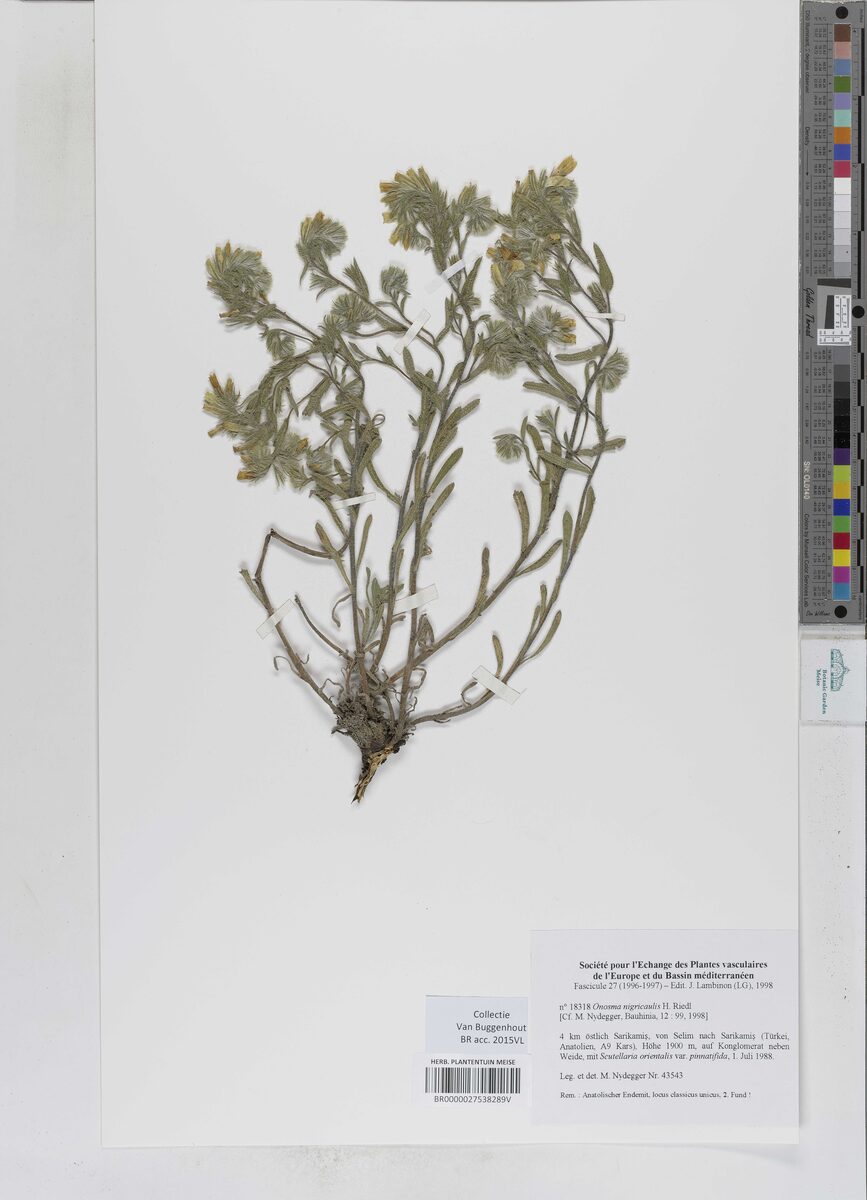
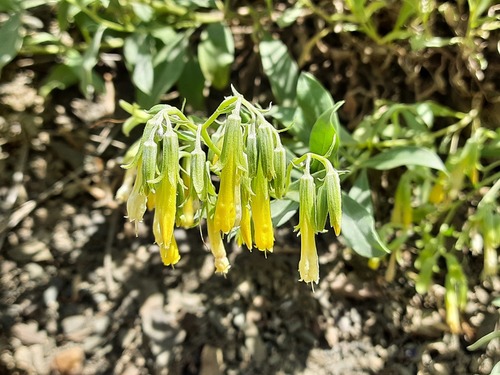
Echium plantagineum
L.
Paterson's curse, Blueweed, Salvation jane
iNaturalist· cc-by-nc
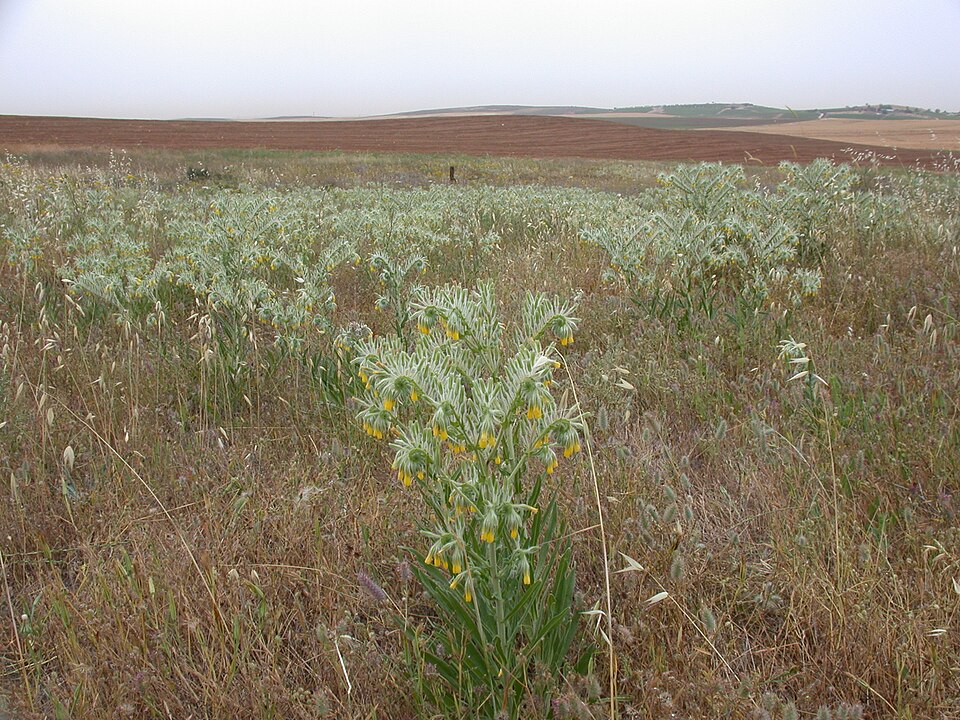
(c) Σάββας Ζαφειρίου (Savvas Zafeiriou), some rights reserved (CC BY-NC), uploaded by Σάββας Ζαφειρίου (Savvas Zafeiriou)
iNaturalist· cc0
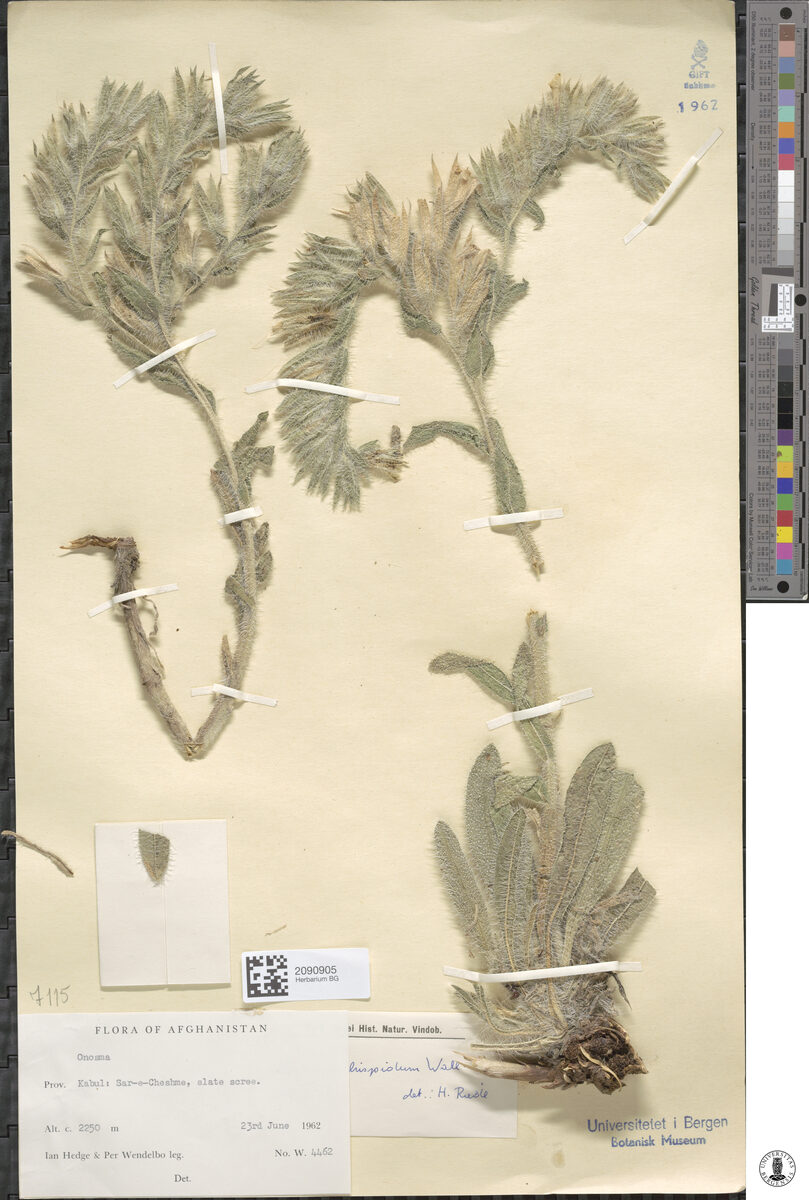
no rights reserved, uploaded by Peter Warren
iNaturalist· cc-by-nc
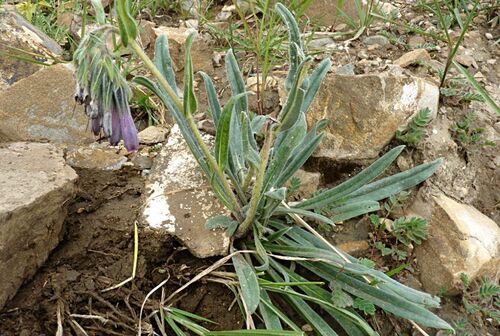
(c) Alfredo Rei Lobo DasNeves, some rights reserved (CC BY-NC), uploaded by Alfredo Rei Lobo DasNeves
Summary
Source: WikipediaEchium plantagineum is a fast-growing evergreen annual or biennial reaching 0.8 m tall and 0.5 m wide. This self-fertile plant requires full sun and grows in light, medium, or heavy soils preferring good drainage. It tolerates a wide soil pH range from mildly acidic to mildly alkaline and adapts to both dry and moist conditions. Hardy to UK zone 5.
Description
A herb. It is hairy and branched. It grows 50 cm high. The leaves at the base are 3-12 cm long by 12-15 mm wide. The upper leaves on the stem are narrow. The flowers are deep blue.
Edible Uses
There has been an increase in interest in several Echium species, especially Echium plantagineum, because of the fatty acid composition of the seed oil. Like borage and evening primrose oil, it contains significant amounts of gamma-linolenic acid (GLA), but it also contains the rarer stearidonic acid (SDA), which is also an important intermediate in the production of several important compounds in the body. Both acids are made by the same enzyme, and their effects are complimentary, so the oil is potentially valuable as a health food and cosmetic component.The seed oil from Echium contains a unique ratio of omega-3 and omega-6 fatty acids. These lipids, previously obtained from other plant sources, have been used for many years in food supplements. Of potential interest for health food applications are the appreciable amounts of g-linolenic acid (GLA) and the unusual polyunsaturated fatty acid, stearidonic acid. Stearidonic acid is the equivalent position of GLA in the omega-3 metabolic pathway.
Traditional Uses
The leaves are used in soup and stews. The oil needs to be refined. The flowers are sucked.
This uses section is brief — help expand it
Medicinal Uses
None known
Known Hazards
E. plantagineum – commonly called Paterson's curse or pyrrolizidinosis in veterinary medicine – contains pyrrolizidine alkaloids, which is poisonous to grazing animals, especially nonruminants. When eaten in large quantities, it causes reduced livestock weight, and death in severe cases, due to liver damage. Paterson's curse can kill horses, and irritate the udders of dairy cows and the skin of humans. After the 2003 Canberra bushfires, a large bloom of the plant occurred on the burned land, and many horses became ill and died from grazing on it. Because the alkaloids can also be found in the nectar of Paterson's curse, the honey made from it should be blended with other honeys to dilute the toxins.
Distribution
It is a Mediterranean plant. In Argentina it grows below 500 m above sea level.
Where It Grows
Africa, Albania, Argentina, Asia, Australia, Balkans, Brazil, Britain, Bulgaria, Chile, Egypt, Europe, France, Greece, India, Italy, Lebanon, Libya, Mediterranean, Middle East, Morocco, New Zealand, North Africa, Pakistan, Portugal, Sicily, South America, Spain, Syria, Tasmania, Tunisia, Turkey, Türkiye, Uruguay,
Cultivation
Grows best in an open, sunny position in moderately fertile, well-drained soils. Rich soils promote lush leaf growth at the expense of flowering.
Propagation
Sow seed directly in late winter through May or August through late autumn; germination takes 2-3 weeks at 15°C. For limited seed supplies, sow in pots in a cold frame, pot seedlings individually when large enough, and transplant in summer.
Other Uses
The seed oil serves as a cosmetic component due to its moisturizing and anti-inflammatory properties.
Notes
It is considered a serious weed.
Synonyms
Also Known As
Argamula, Chupamieles, Illes oufounas, Isan tour, Lapazza, Lingua di voi, Spinacio selvagge, Suzzamele, Viborera
References (12)
- Advisory Committee on Novel Foods and Processes (UK). 2010. Refined Echium oil. [re. potential use as oil/fat].
- Biscotti, N. et al, 2018, The traditional food use of wild vegetables in Apulia (Italy) in the light of Italian ethnobotanical literature. Italian Botanist 5:1-24
- Geraci, A., et al, 2018, The wild taxa utilized as vegetables in Sicily (Italy): a traditional component of the Mediterranean diet. Journal of Ethnobiology and Ethnomedicine (2018) 14:14
- Gonzalez, J. A., et al, 2011, The consumption of wild and semi-domesticated edible plants in the Arribes del Duero (Salamanca-Zamora, Spain): an analysis of traditional knowledge. Genetic. Resour Crop Evolution 58:991-1006
- Motti, R. et al, 2009, Traditional Plant Use in the Phlegraean Fields Regional Park (Campania, South Italy). Human Ecology, 37:775-782
Show all 12 references Hide references
- Nassif, F., & Tanji, A., 2013, Gathered food plants in Morocco: The long forgotten species in Ethnobotanical Research. Life Science Leaflets 3:17-54
- Pasta, S., et al, 2020, An Updated Checklist of the Sicilian Native Edible Plants: Preserving the Traditional Ecological Knowledge of Century-Old Agro-Pastoral Landscapes. Frontiers in Plant Science. Volume 11|Article 388
- Rivera, D. et al, 2006, Gathered Mediterranean Food Plants - Ethnobotanical Investigations and Historical Development, in Heinrich M, Müller WE, Galli C (eds): Local Mediterranean Food Plants and Nutraceuticals. Forum Nutr. Basel, Karger, 2006, vol 59, pp 18–74
- Signorini, M. A., et al, 2009, Plants and traditional knowledge: An ethnobotanical investigation on Monte Ortobene (Nuoro, Sardinia). Journal or Ethnobiology and Ethnomedicine, 5:6
- Tardio, J., et al, Ethnobotanical review of wild edible plants in Spain. Botanical J. Linnean Soc. 152 (2006), 27-71
- Wiersema, J. H. & Leon, B., 2013, World Economic Plants. A Standard Reference CRC Press. 2nd Ed. p 263
- World Checklist of Useful Plant Species 2020. Royal Botanic Gardens, Kew